Origin of Cava – Codorníu Winery
The story of Cava, Spain’s most celebrated sparkling wine, is inseparable from the history of Codorníu Winery. Nestled in the Penedès region of Catalonia, Codorníu is not only one of the oldest family-owned wineries in the world, but also the birthplace of Spanish sparkling wine made in the traditional method. Through innovation, persistence, and deep regional identity, Codorníu transformed local still wines into an internationally recognized symbol of Spanish craftsmanship.
Early Roots of the Codorníu Family
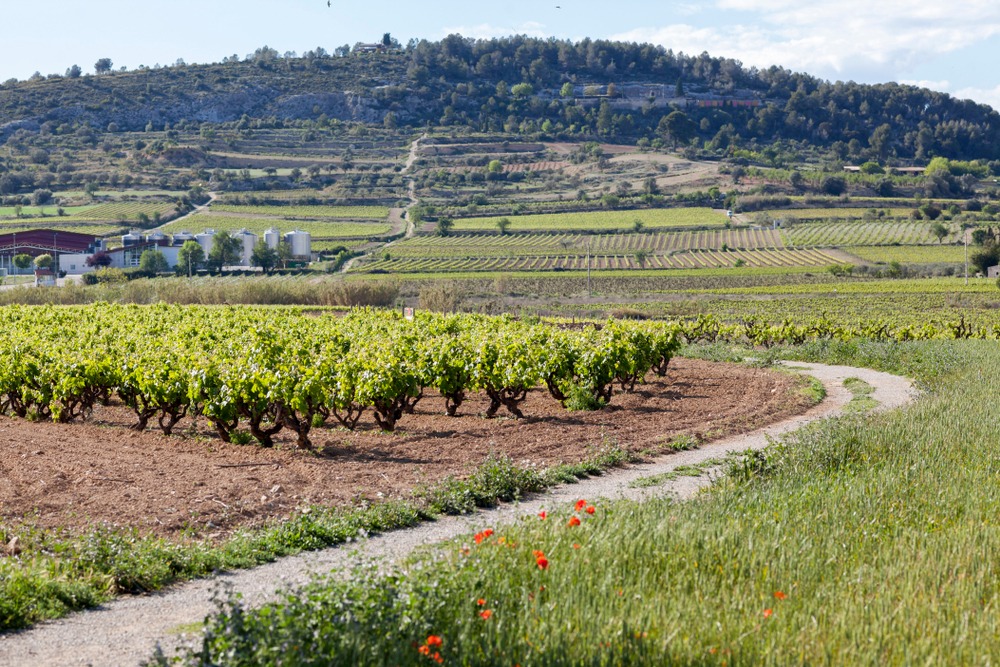
Codorníu’s origins trace back to 1551, when Jaume Codorníu documented the family’s involvement in winemaking,or vinification, in Sant Sadurní d’Anoia, a town that would later become synonymous with Cava itself. For centuries, the Codorníu family cultivated vineyards and produced wine, passing down viticultural knowledge through generations. The winery’s longevity reflects the agricultural stability of Catalonia and its long tradition of vine growing, long before sparkling wine entered the picture.
The Birth of Cava at Codorníu
The defining moment in Cava’s history came in 1872 with Josep Raventós i Fatjó, a member of the Codorníu family. Inspired by visits to the Champagne region of France, Raventós sought to adapt the traditional Champagne method to Spanish grapes and climate. Rather than relying on French varietals, he experimented with native grapes such as Macabeo, Xarel·lo, and Parellada—varieties well suited to the Mediterranean environment.
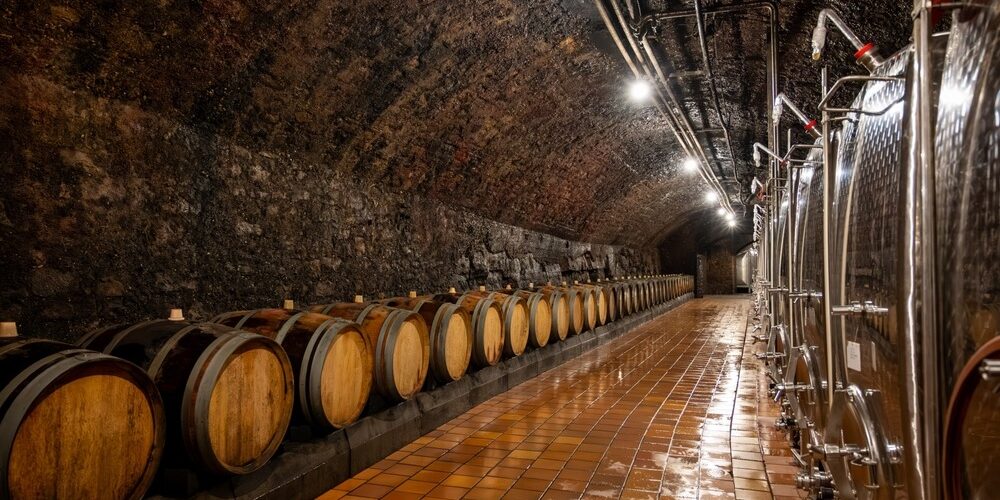
The result was Spain’s first sparkling wine produced using the traditional method of secondary fermentation in the bottle. Though initially referred to as “Spanish Champagne,” the wine’s distinct character and regional identity would later lead to the creation of the term “Cava,” derived from the underground cellars where the bottles were aged.
Codorníu and the Industrialization of Cava
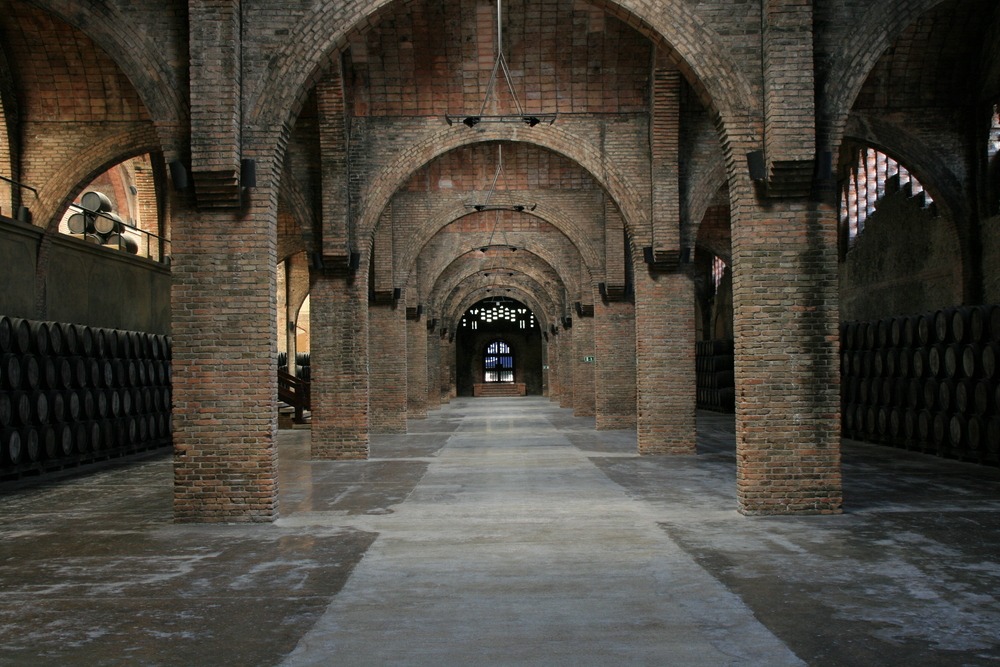
As demand grew, Codorníu expanded rapidly, playing a crucial role in transforming Cava from a regional curiosity into a large-scale industry. In the late 19th and early 20th centuries, the winery invested in advanced production facilities and architectural innovation. The modernist cellars designed by architect Josep Puig i Cadafalch became an icon of Catalan Modernisme and a testament to Codorníu’s ambition and prestige.
Codorníu’s scale allowed Cava to reach international markets, introducing consumers worldwide to a sparkling wine that offered elegance and quality while maintaining a distinctly Spanish identity. This expansion also helped establish Sant Sadurní d’Anoia as the epicenter of Cava production, a reputation it still holds today.
Defining Cava as a Distinct Wine Style
Throughout the 20th century, Codorníu played a leading role in defining and protecting Cava as a unique category. As sparkling wine production expanded across Spain, the need for regulation became clear. Codorníu was instrumental in shaping quality standards that emphasized traditional production methods, extended aging, and the use of specific grape varieties.
These efforts culminated in the establishment of the Cava Denomination of Origin, which formally distinguished Cava from Champagne and other sparkling wines. Codorníu’s early commitment to method, terroir, and consistency helped ensure that Cava would be recognized not as an imitation, but as a wine with its own heritage and global standing.
Codorníu in Modern Wine Culture and Tourism
Today, Codorníu remains a cornerstone of Spain’s wine industry and a major cultural landmark. Its historic cellars, now recognized as a site of cultural interest, attract visitors from around the world. Wine tourism at Codorníu blends architecture, history, and tasting experiences, allowing guests to trace the evolution of Cava from its 19th-century origins to its modern expressions.
Globally, Codorníu continues to balance tradition with innovation, producing a wide range of Cavas that appeal to both casual drinkers and connoisseurs. The winery’s legacy is evident not only in its bottles, but in the very identity of Cava itself—a sparkling wine born from experimentation, rooted in Catalonia, and shaped by centuries of family stewardship.
The Enduring Legacy of Codorníu and Cava
The origin of Cava is ultimately a story of adaptation and vision. By blending French technique with Spanish terroir, Codorníu created something entirely new, setting the foundation for an industry that now represents Spain on the world wine stage. More than a winery, Codorníu stands as a symbol of how regional tradition, innovation, and perseverance can give rise to a lasting cultural legacy—one that continues to sparkle with every bottle opened.