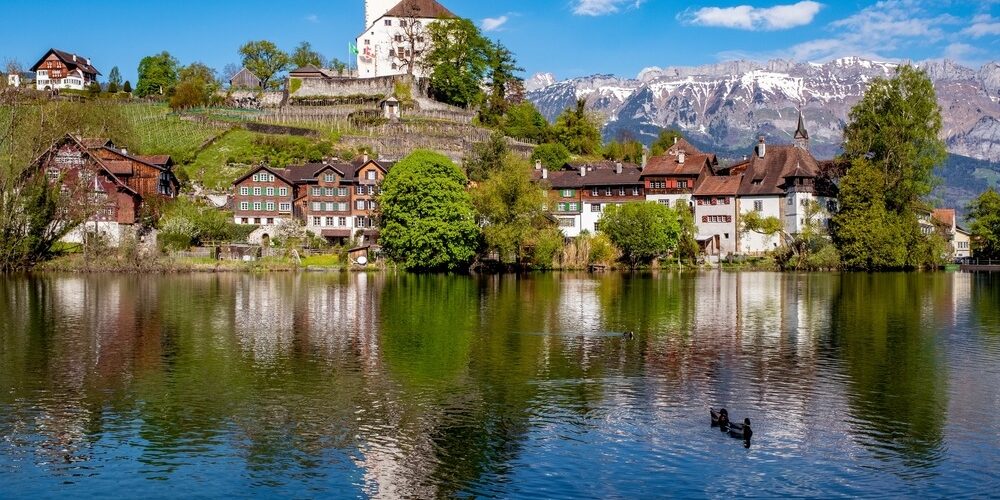
Castles Seen Along a Rhine River Cruise
A Rhine River cruise is often described as a journey through a living medieval manuscript. As the river winds between Switzerland and the Netherlands, steep hills rise from the water and reveal one of Europe’s greatest concentrations of castles. These fortresses were not built merely for romance or spectacle; they were instruments of power, toll collection, and territorial defense, shaping the political and economic history of the Rhine Valley for nearly a thousand years. Sailing past them today offers travelers a rare chance to see how geography, warfare, and commerce intertwined along one of Europe’s most important waterways.
Marksburg Castle, Braubach
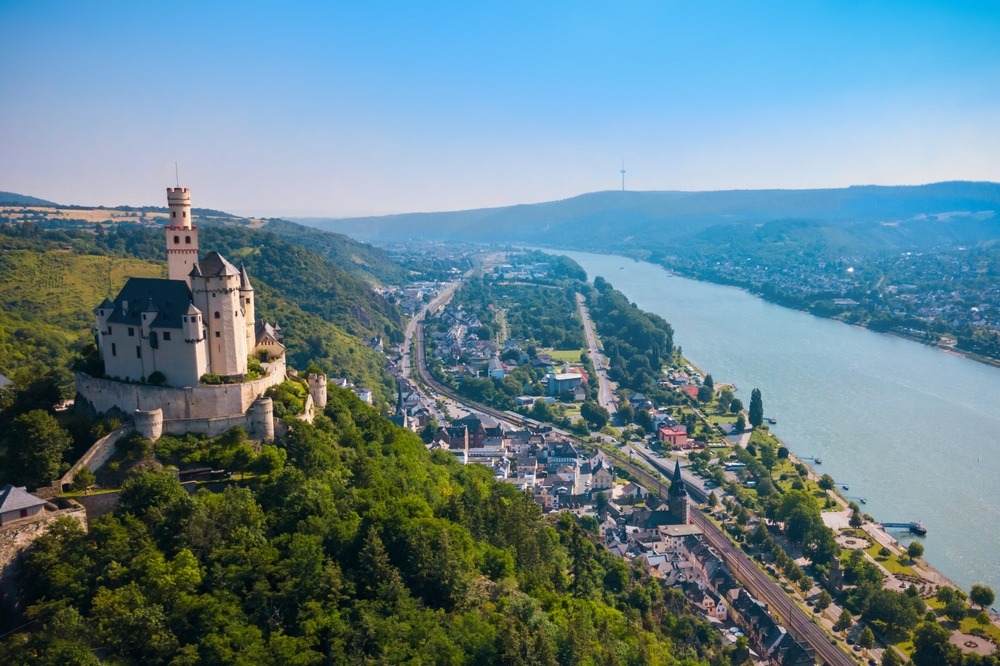
Perched high above the Rhine near the town of Braubach, Marksburg Castle is unique among Rhine castles for one remarkable reason: it was never destroyed. Built in the 12th century, Marksburg functioned as a defensive stronghold rather than a luxurious residence, with thick walls, narrow stairways, and layered gates designed to repel attackers. Its survival through centuries of conflict makes it one of the most authentic medieval castles in Germany, preserving original defensive features that were lost elsewhere. From the river, Marksburg appears as the idealized image of a knight’s castle, standing watch over the valley much as it did in the Middle Ages.
Rheinfels Castle, St. Goar
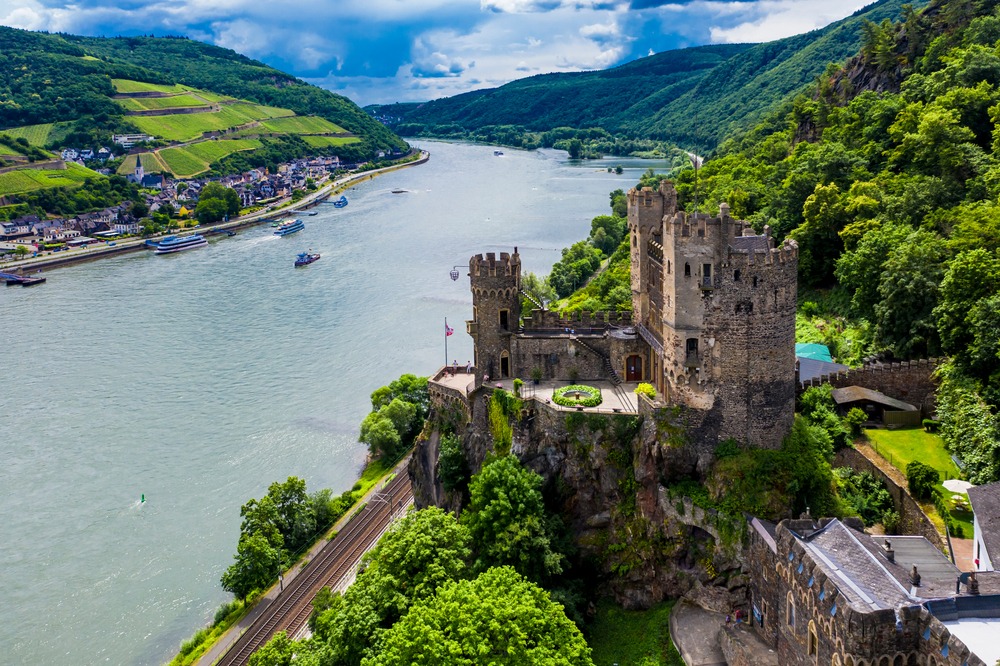
Above the town of St. Goar rise the vast ruins of Rheinfels Castle, once the largest fortress on the Rhine. Constructed in the 13th century, Rheinfels controlled a crucial stretch of the river and played a central role in collecting tolls from passing ships. Its strategic importance made it a frequent target during regional conflicts, including wars involving the French and various German principalities. Although largely in ruins today, Rheinfels remains imposing due to its sheer scale, offering a powerful visual reminder of how fiercely the Rhine was contested as a commercial artery.
Pfalzgrafenstein Castle, Kaub
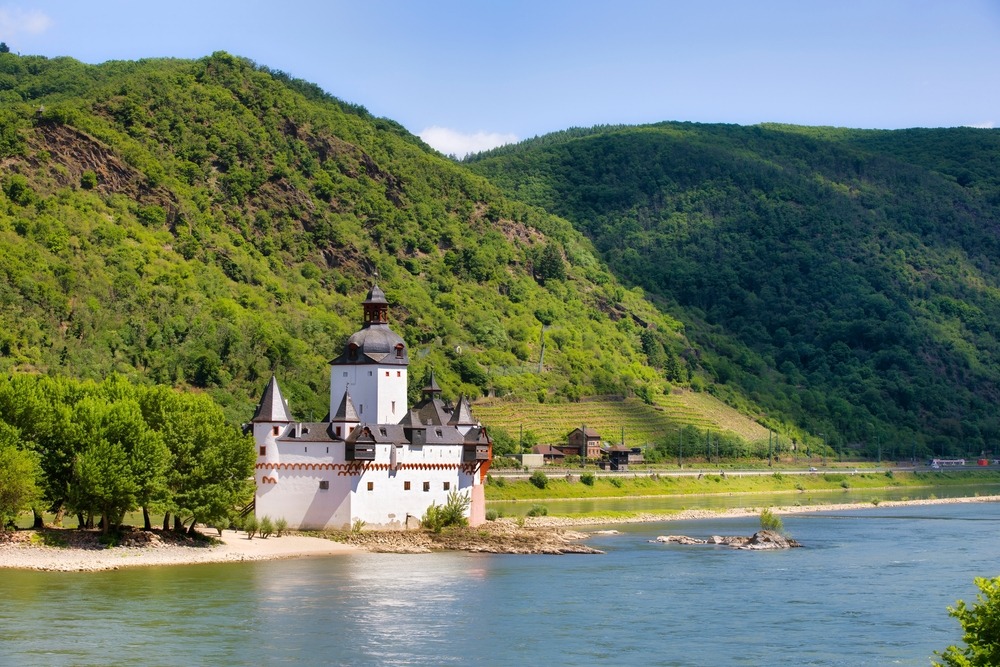
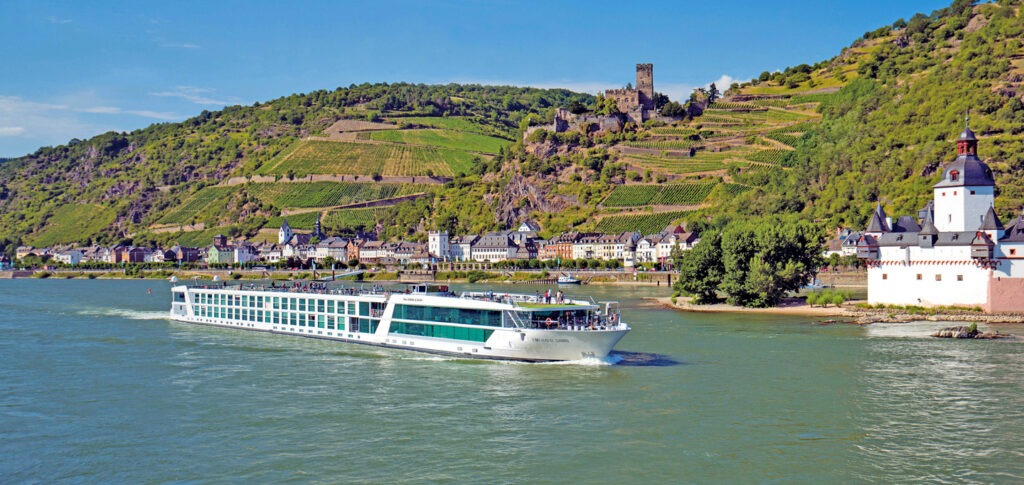
Perhaps the most striking castle seen from the water is Pfalzgrafenstein Castle, dramatically located on a small island in the middle of the Rhine near Kaub. Built in the 14th century, this fortress was designed specifically to collect tolls from river traffic, forcing ships to stop and pay before continuing their journey. Its unusual island placement made it difficult to attack and impossible to bypass. Today, Pfalzgrafenstein stands as a symbol of the Rhine’s economic importance, reminding travelers that control of the river once meant control of trade itself.
Stolzenfels Castle, Koblenz
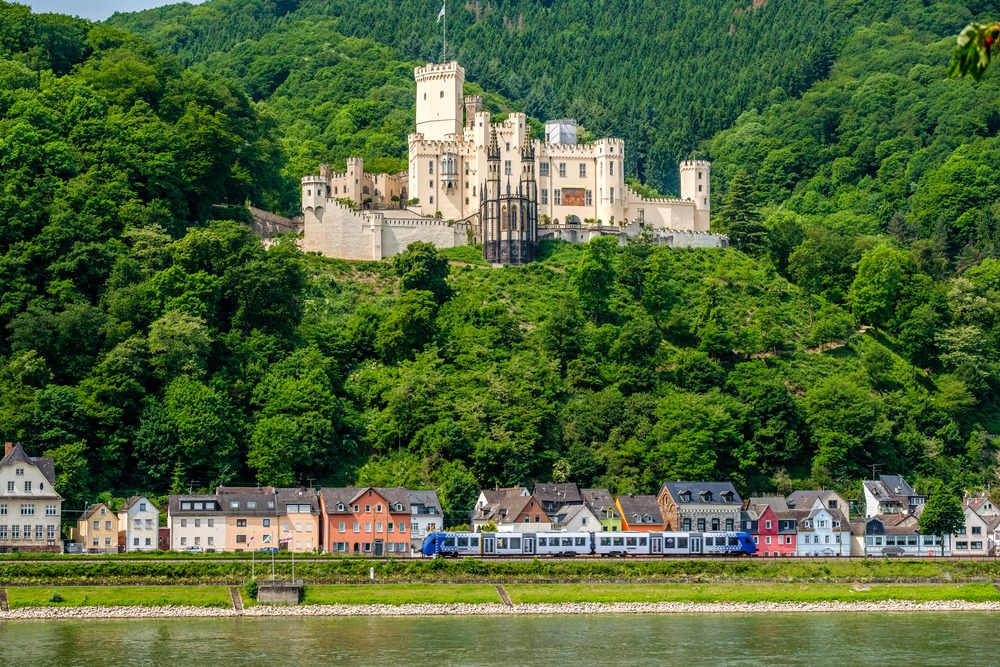
Near the confluence of the Rhine and Moselle Rivers, Stolzenfels Castle rises above Koblenz with a distinctly different character from the medieval fortresses nearby. Originally built in the 13th century, Stolzenfels fell into ruin before being rebuilt in the 19th century as a Romantic-era palace by the Prussian royal family. Its restoration reflects a period when castles were no longer purely military structures but symbols of national pride and romantic nostalgia. Seen from the river, Stolzenfels represents the transition from medieval power to 19th-century cultural revival.
Katz Castle, St. Goarshausen
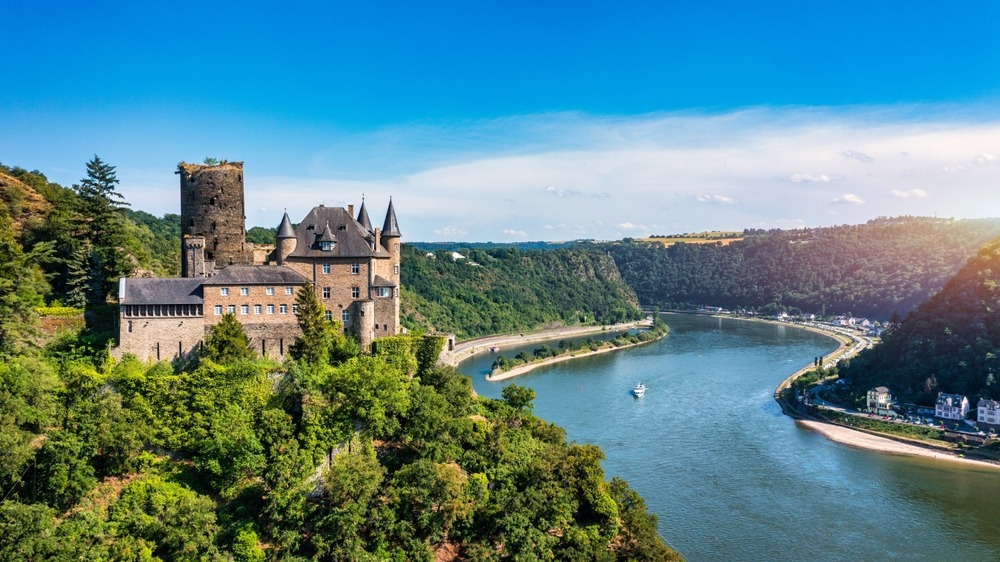
Overlooking the narrowest part of the Rhine near the legendary Lorelei Rock is Katz Castle, formally known as Burg Katz. Built in the 14th century, the castle’s position allowed its owners to monitor and protect shipping routes through one of the river’s most challenging stretches. Its name, meaning “Cat Castle,” reflects the rivalry with nearby Rheinfels Castle, sometimes referred to as “Mouse Castle” in local lore. Although not open to the public, Katz Castle remains one of the most photographed sights along the Rhine due to its commanding hilltop location.
The Mouse Tower, Bingen
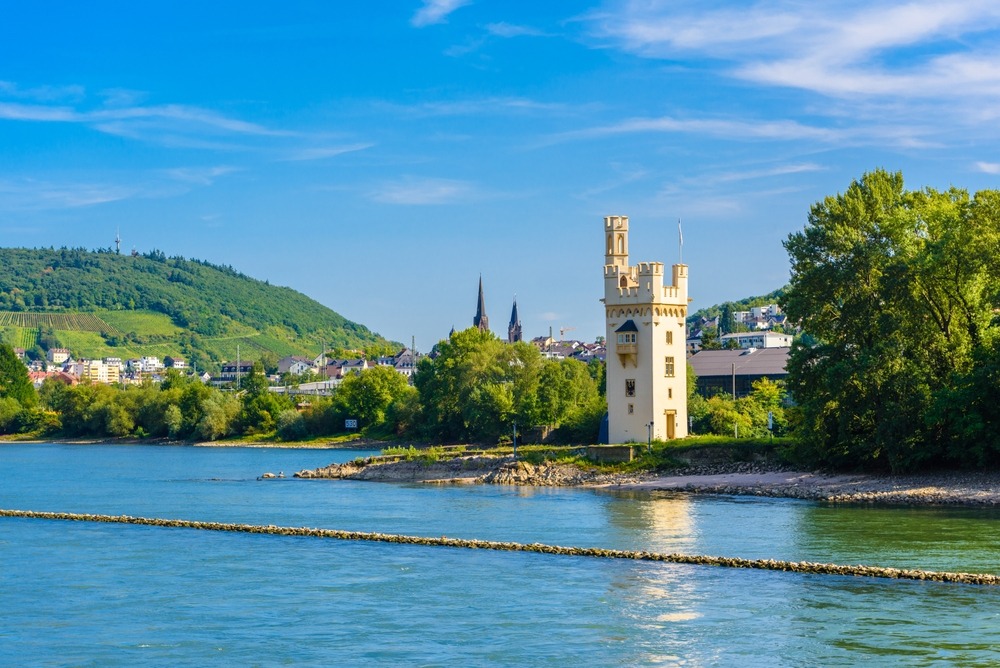
While not a castle in the traditional sense, the Mouse Tower near Bingen is one of the Rhine’s most legendary structures. Standing on a small island near the riverbank, the tower is tied to the dark medieval legend of Archbishop Hatto, whose cruelty toward the poor allegedly led to his gruesome demise. Historically, the tower likely served as a watchtower or toll station, reinforcing the Rhine’s role as a controlled commercial route. Today, it adds a layer of myth and storytelling to the cruise experience, blending history with folklore.
The Rhine Gorge: A Castle Corridor
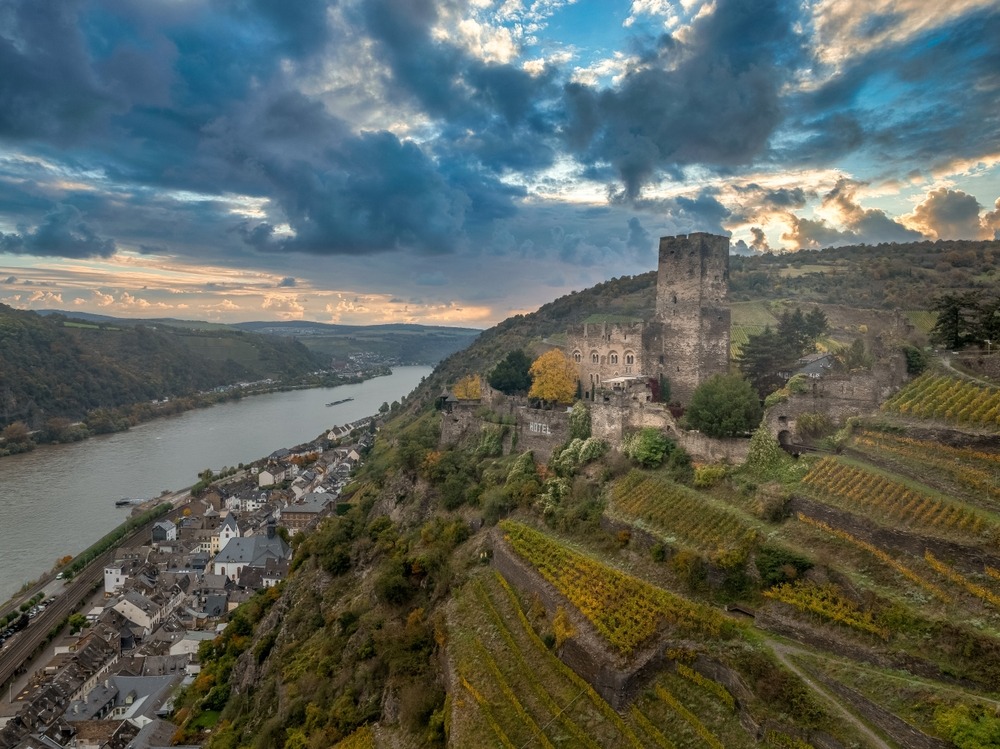
Many of these castles are concentrated within the Upper Middle Rhine Valley, a UNESCO World Heritage Site renowned for its exceptional density of historic fortifications. As your ship glides through this narrow gorge, castles appear in rapid succession on both banks of the river, each reflecting the ambitions of local lords who once vied for control of Rhine commerce. Vineyards climb the slopes beneath stone walls, and villages cluster at the water’s edge, creating a landscape that feels both dramatic and deeply rooted in European history.
Why Castles Define the Rhine River Experience
Seeing these castles from the deck of a river ship is more than a scenic pleasure; it is a lesson in how geography shaped power in medieval Europe. The Rhine was not simply a river, but a lifeline of trade and influence, and the castles that line its banks were tools of authority, protection, and profit. A Rhine River cruise allows travelers to witness this legacy unfold naturally, castle by castle, bend by bend, offering an experience where history is not confined to museums but rises directly from the landscape itself.