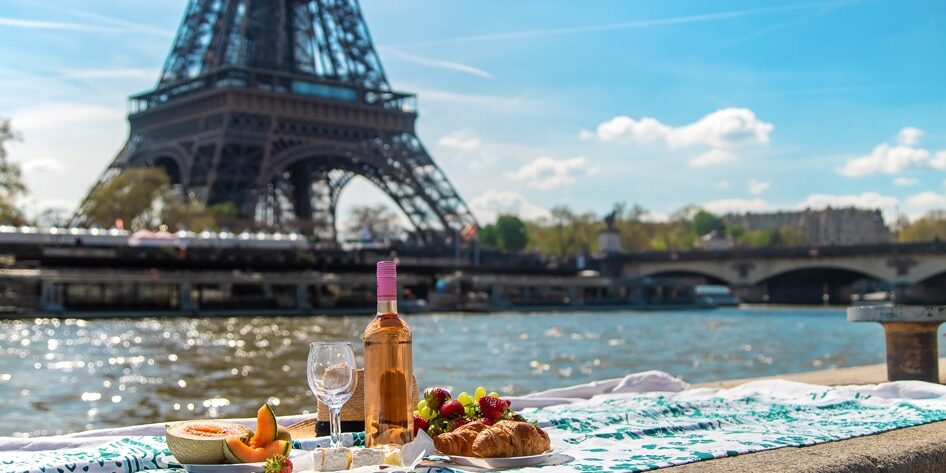
French Etiquette and The Art of Receiving
The Arts of Receiving and Living- a Refreshing French Perspective France is a country renowned for its artistically rich heritage and is internationally renowned for its commitment to the preservation of its most foundational cultural institutions. For centuries, France has been famed as a hub for trailblazing creative visionaries, culinary mastery, literary and linguistic ingenuity and so much more- however one equally important facet of French culture that many outsiders may overlook at first is the importance of “l’art de vivre” (the art of living) and “l’art de recevoir” (the art of receiving). For the French, the intricacies of social life and our interactions with the people around us are just as meaningful as painting pièce de résistance or baking a pastry to crispy golden-brown perfection.
Proper Etiquette – the Seasoning of French Social Life
Among the French, special attention to detail is seen as crucial in cultivating an abundant and enjoyable life for you, your family and friends, and anyone you happen to encounter. This comes in many forms, but is particularly noticeable in French gastronomie, or culinary culture. The Arts of Living and Receiving come together at the table in France as hosts and guests alike bring their best attitudes to create an enriching time for all. Though refined culinary craft is seen as a cornerstone of French culture and identity, proper etiquette and the methodology of the presentation, sharing, and eating of food are equally important social components in ensuring a fulfilling dining experience.
The Royal Roots of Table Manners

The practice of etiquette is thought to have first been conceptualized by King Louis XIV of France in the 18th century, when he developed a comprehensive social code of conduct to be followed at the court of Versailles. These strict social practices eventually trickled down to the wider French bourgeoisie and were practiced in individual households as a demonstration of high class and refinement. In modern France, proper etiquette has become less important as a marker of class and is now more commonly seen as a demonstration of respect by both host and guest as a mutual acknowledgement of appreciation.
How to Receive Guests in the Art of Traditional French Hosting
For French hosts, properly receiving and accommodating guests thoughtfully and intentionally is of equal importance as the table manners of their invitees. As anyone who has attended a formal dinner or even just eaten out at a restaurant can attest, atmosphere and excellent service are the keys to an enjoyable meal. When planning a gathering, a traditional French host places particular emphasis on comfort for all- including themselves. This means making sure that guests are individually welcomed, accommodated with a pleasant and tastefully decorated ambiance, and of course, provided with plenty of spirits and delicious food.
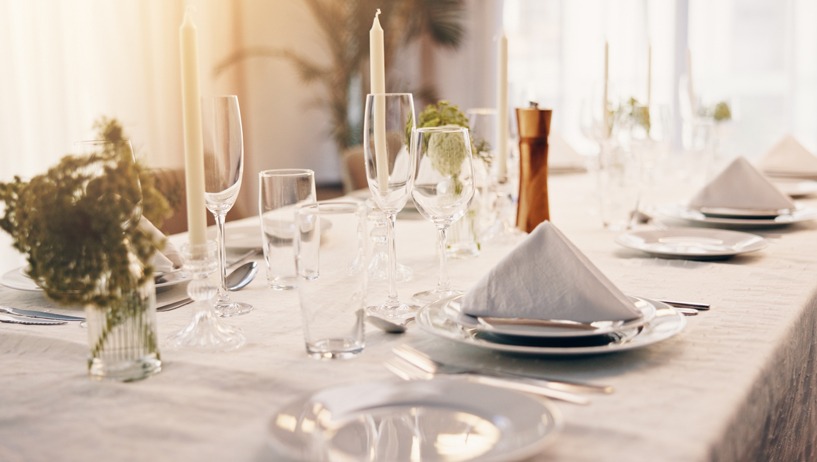
The art of the table is also a key aspect of a proper French meal, as hosts meticulously arrange centerpieces, utensils, and seating plans to refine and optimize the dining experience. Typically, a seat at a French dining table is made up of plate at the center, a neatly folded napkin, a fork to the left, a knife to the right, a soup spoon next to the knife, a wine glass, a small tasting spoon between the glass and the plate, and a small dessert fork next to it. On occasion, guests will be provided additional forks and knives for meat and fish, and sometimes a small cheese fork. For decoration, it is common for hosts to spruce up tables with fresh flowers from the local market, a classy tablecloth, and candles that cast a soft, cozy glow. When planning seating arrangements, it is customary to place couples across from each other, and to strategically consider the relationships among guests and seat them accordingly.
Curating Courses and the Flow of a French Meal
When food is served, traditional French meals follow a specific course order. Typically, bread is set out on the table throughout the entire meal and guests are free to tear off bits by hand to snack on as they please. The same is true for wine, which is chosen by the host and sipped throughout the meal. First comes the aperitif, light snacks with a splash of liquor on the side. Then the entrée is served (not to be confused with the American term for the main dish) as an appetizer of sorts, often a seasonal selection. After guests’ palettes are prepared, the main dish or plat principal, is served, typically meat or poultry. Afterwards, salad and cheese are passed around, followed by dessert and coffee to round out a hearty meal.

Receiving with Respect and How to be the Perfect Guest
As a guest attending a French meal, it is important that you learn and practice the Art of Receiving the generous accommodations of your host to show your gratitude. Remember to keep in mind that what truly sets French etiquette apart is the laissez faire of it all. To foreigners who are accustomed to rigid routines and tight schedules, it might be a bit shocking to learn that showing up late to a French gathering is actually considered the polite thing to do! It is customary in France to show up around fifteen minutes after the “start time” of an event (often referred to as le quart d’heure de politesse, or, the fifteen minutes of politeness) to allow your host to tie up loose threads and unwind before their gathering begins.
This relaxed approach often pertains to dress code as well, as-unless you are attending an extremely formal or important event- guests typically tend to dress in a casual, yet classic and simplistic style to avoid coming off as garish or over-the-top. You are a guest in someone else’s home, after all. Imagine this in terms of dressing for a wedding- you are celebrating someone else’s big day, but it’s also a formal event, so dress nicely, just not nicer than the bride and groom.
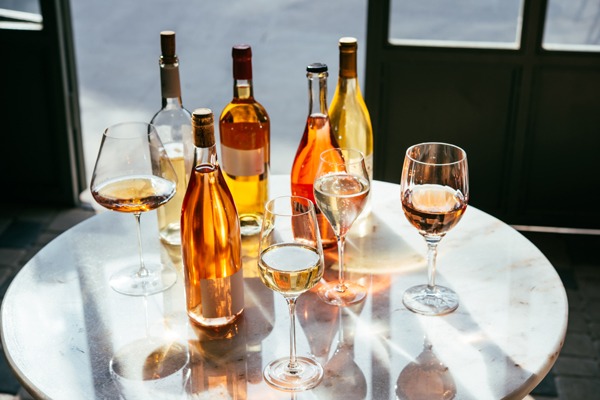
Upon arrival, it is customary in France to compliment the host on their decorating and to present them with a carefully selected gift. Many invitees choose to bring their host a bottle of high-quality wine, which the host places alongside other bottles brought by guests to be sampled throughout the gathering. Small gourmet bites are also acceptable gifts to be eaten as aperitifs.
The Etiquette of Eating the French Way
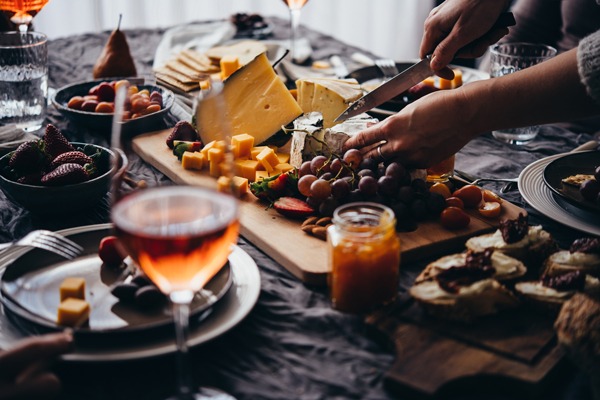
When you finally make your way to the table after a bit of socializing, remember to keep your hands on the tabletop throughout the meal and wait to start eating until everyone is served and your host proclaims “bon appetit!” Before enjoying your meal, make sure to place your napkin in your lap and hold your fork in your right hand with your knife in your left as you eat. If you are ever confused by how to use your many dining utensils, it’s a common rule of thumb to work your way from farthest to closest to the plate as you move through courses. When dinner is served and dishes are passed around the table, make sure to always place the serving silverware facing the person next to you as you hand them a plate so that it is easier for them to reach. It’s also very important to make sure that your eyes do not become larger than your stomach as you partake in a French meal- serve yourself only as much as you can eat, because leaving food on your plate after a meal is considered wasteful and highly disrespectful to your host.
The Power of Politeness – What the French Art of Receiving Teaches Us
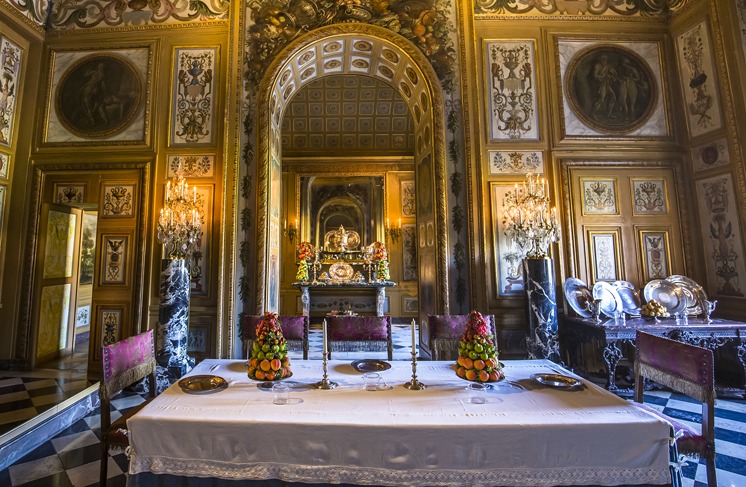
Whether you’re planning a trip to France or simply looking to switch up your usual routine, we can all stand to learn a thing or two from the French Art of Receiving. The lessons that it teaches about mutual respect, gratitude, and making the most out of time spent with others are easy yet practical ways to practice nurturing your social life in a way that is fulfilling for all. If you’re ready to perfect your etiquette on a French cultural adventure, be sure to secure a spot on Mayflower’s London and Paris Discovery Tour. As you traverse the Île de France with Mayflower, you will have the extraordinary opportunity to learn the intricacies of French dining etiquette in a private, hands-on workshop experience at Château de Vaux-le-Vicomte, an authentic family owned and operated Baroque chateau