

All Inclusive River Cruises vs. Paying Out of Pocket: Where the Real Value Lies
When travelers first compare prices, an all inclusive river cruise can look more expensive than booking each part of a trip separately. The cruise fare is visible all at once, while an independent trip often appears cheaper because the costs are scattered across airfare, hotels, meals, drinks, transfers, sightseeing, and local transportation. In reality, that piecemeal approach can become far more expensive than it seems at first glance.
One of the biggest reasons is that river cruises usually bundle many major travel expenses into a single upfront price. Depending on the cruise line, travelers may receive accommodations, onboard meals, drinks with lunch and dinner, Wi-Fi, guided shore excursions, transfers, and sometimes even gratuities. When all of those items are included together, the total value becomes much easier to see.
By contrast, an independent traveler pays for each category separately. Hotel nights must be reserved one by one. Meals are purchased throughout the day. Airport transportation, local transit, train tickets, museum admissions, walking tours, and drinks all add to the total. Even before considering the cost of extra treats or spontaneous activities, a self-planned trip can grow much more expensive than expected.
Meals are one of the clearest examples of how bundled value works. On an independent trip, breakfast may or may not be included with a hotel stay, lunch often has to be purchased while sightseeing, and dinner can become a daily financial decision. On a river cruise, those meals are generally built into the fare. That means travelers are not constantly calculating where to eat, how much to spend, or whether a restaurant near a major attraction is overpriced.
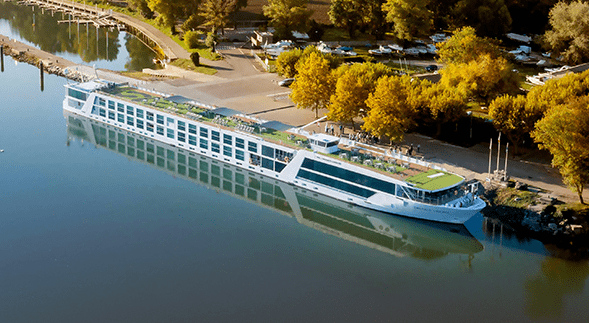
Drinks can also make a noticeable difference. Many river cruises include wine, beer, soft drinks, or even a broader beverage program. When paying out of pocket, travelers may spend money every day on coffee, bottled water, cocktails, wine with dinner, or soft drinks during sightseeing. Those smaller purchases may seem minor at first, but after a week or more, they can add up quickly.
Excursions are another area where an all inclusive river cruise can provide strong value. Travelers exploring on their own often need to pay separately for guided tours, attraction tickets, transportation to and from sites, and sometimes timed-entry reservations. River cruises frequently include shore excursions in every port or offer several options each day. That saves money, but it also saves time and effort, because travelers do not need to research and coordinate everything themselves.
Transportation is another hidden cost that can change the overall comparison. A traveler moving independently between cities may need to pay for rail tickets, taxis, transfers, or public transit passes. With a river cruise, transportation between destinations is built into the experience. The ship itself acts as both hotel and moving base, allowing travelers to wake up in a new destination without worrying about packing, checking out, transferring bags, and finding the next hotel.
There is also the matter of surprise expenses. Independent trips often come with many unplanned charges, such as baggage handling, gratuities, last-minute taxi rides, convenience purchases, attraction upgrades, or added fees at heavily visited sites. On many river cruises, several of these costs are already covered, which creates a more predictable travel budget and reduces the number of extra charges during the journey.
Convenience has value too, even if it does not appear as a line on a receipt. Travelers paying out of pocket for every element of a trip must also invest time into researching hotels, comparing rail schedules, booking attraction tickets, planning meals, and keeping track of logistics in each city. An all inclusive river cruise simplifies that process by combining transportation, accommodations, dining, and sightseeing into one coordinated experience.
That does not mean a river cruise will always be cheaper in every possible situation. A traveler staying in lower-cost hotels, eating very simply, and limiting paid attractions may be able to spend less on an independent trip. However, that is often not the most accurate comparison. Most people considering a river cruise are not comparing it to a bare-bones vacation. They are comparing it to a comfortable, multi-city journey with good lodging, quality meals, and meaningful sightseeing.
When viewed that way, the value of an all inclusive river cruise becomes much clearer. Instead of paying separately for accommodations, meals, drinks, excursions, transportation, and various incidental expenses, travelers pay one bundled fare that offers convenience, comfort, and a clearer picture of the total trip cost. For many people, that makes an all inclusive river cruise not only a more relaxing way to travel, but also a smarter financial choice.