Amsterdam to Budapest by River Cruise: A Journey Through the Heart of Europe
There are European trips that show you highlights, and then there are journeys that let you feel how Europe connects. A river cruise from Amsterdam to Budapest does exactly that, carrying you across classic waterways and into the continent’s most story-rich cities and towns. Mayflower Cruises & Tours’ “Splendors of Europe 2025” follows an unforgettable route along the Rhine, Main, and Danube Rivers, linked by the engineering marvel of the Main-Danube Canal, creating a seamless corridor from the Netherlands into the cultural capitals of Central Europe.
Amsterdam: Canals, Culture, and a Storybook Welcome
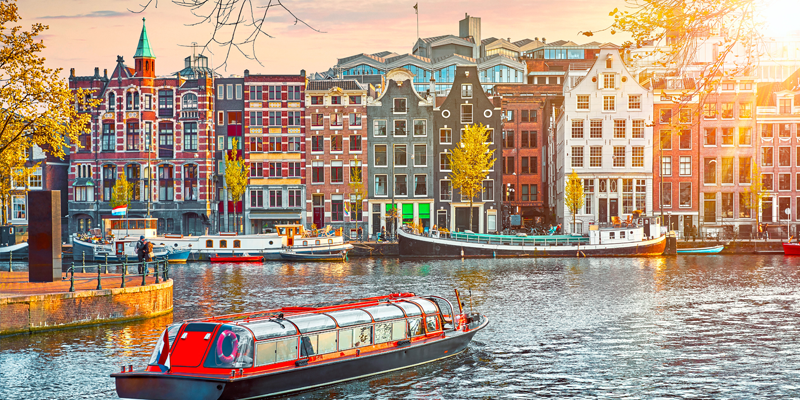
Your journey begins in Amsterdam, a city shaped by water and centuries of trade, art, and innovation. The city’s canal belt is not only beautiful, it is historically significant, with a network that defines Amsterdam’s identity and creates postcard views around nearly every bend. On this itinerary, a glass-top boat cruise introduces you to the UNESCO-recognized canal scenery from the best vantage point possible, gliding under arched bridges and past narrow gabled houses that seem to lean into the water. For travelers who like a more active first day, the included biking option to Waterland shifts the setting quickly into pastoral Holland, where quiet villages, flat landscapes, and classic countryside scenes offer a striking contrast to the city’s lively canal districts.

As the ship departs, the transition feels immediate and memorable. Amsterdam fades into open Dutch countryside, where windmills, waterways, and working locks set the tone for what river cruising does best: turning the journey between destinations into an experience of its own.
Cologne: A Roman Foundation and a Cathedral That Commands the Skyline
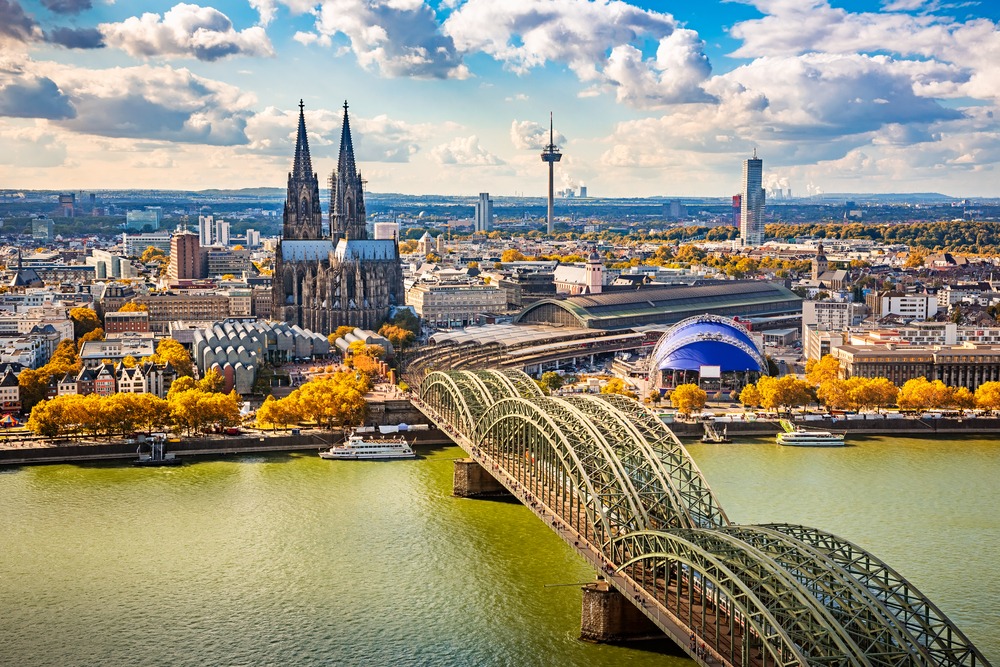
Your first major German stop is Cologne, one of the country’s oldest cities, founded by the Romans and still layered with history. The highlight here is the city’s magnificent Gothic cathedral, a UNESCO World Heritage landmark that dominates the skyline and provides a breathtaking sense of scale as you approach. A guided walk through Cologne’s Old Town reveals how the city blends historic character with modern energy, with riverside promenades, plazas, and inviting streets that make it easy to linger, shop for regional specialties, or simply enjoy the atmosphere before returning onboard.
The Rhine Gorge and Rüdesheim: Castles, Vineyards, and the Lorelei Legend
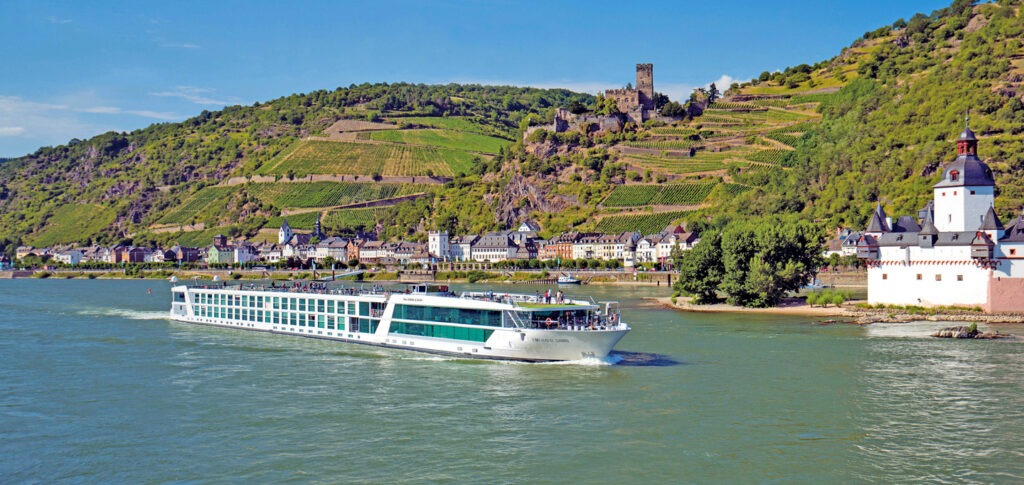
The cruise through the Rhine Gorge is one of the signature scenic stretches of the entire Amsterdam-to-Budapest route. Here, the river narrows between steep slopes, vineyards climb the hillsides, and castles appear like guardians above the water. The passage by the Lorelei Rock adds a legendary note, tied to centuries of Rhine folklore, and it’s the kind of moment where guests often find themselves on deck with cameras out, watching the landscape transform in real time.
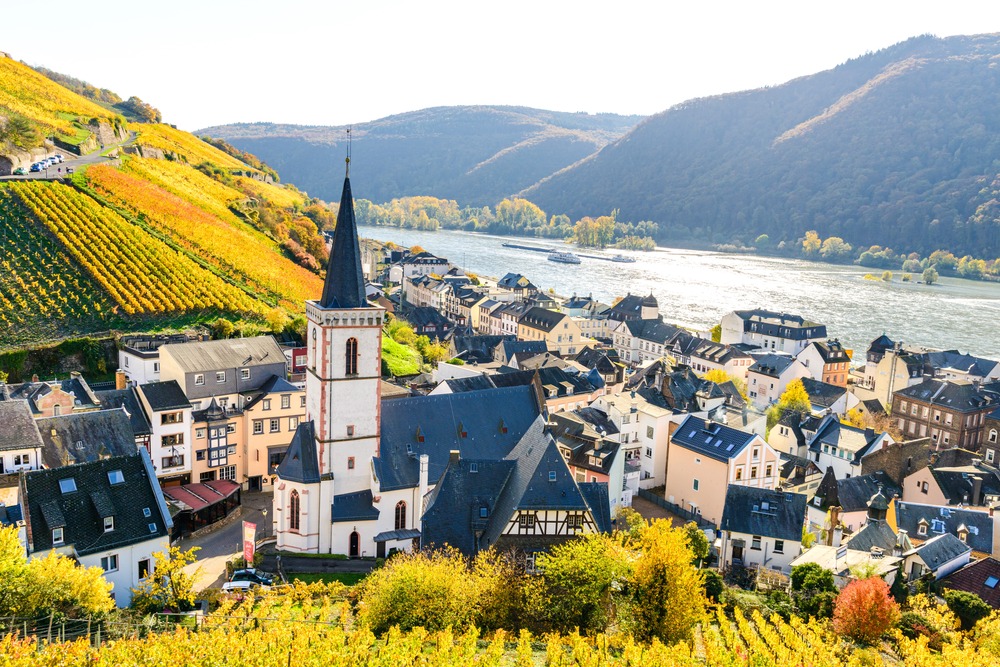
Later, the ship arrives in Rüdesheim, a beloved Rhine town known for its welcoming streets and old-world charm. The itinerary offers two distinct ways to experience it: you can visit Siegfried’s Mechanical Music Cabinet Museum for a surprisingly delightful look at self-playing instruments and musical craftsmanship, or choose a more active experience with a hike to the Niederwalddenkmal, where sweeping views over the Rhine Valley reward the climb. The day typically ends with a sense that you have stepped into the “storybook” version of the Rhine that travelers imagine, only now it’s real and right outside your window.
Miltenberg and Wertheim: Medieval Main River Towns and Living Craft Traditions
As the route shifts onto the Main River, the scenery becomes more intimate, with smaller towns that feel personal and wonderfully preserved. Miltenberg is a picturesque medieval village where the walking tour brings you close to historic streets lined with half-timbered buildings and the old Merchant Hall, offering a vivid glimpse of life shaped by river commerce and regional pride. For those who enjoy active exploration, the alternative guided hike through the forest to Mildenburg Castle adds a woodland dimension to the day, pairing nature and history in a setting that feels tucked away from the modern world.
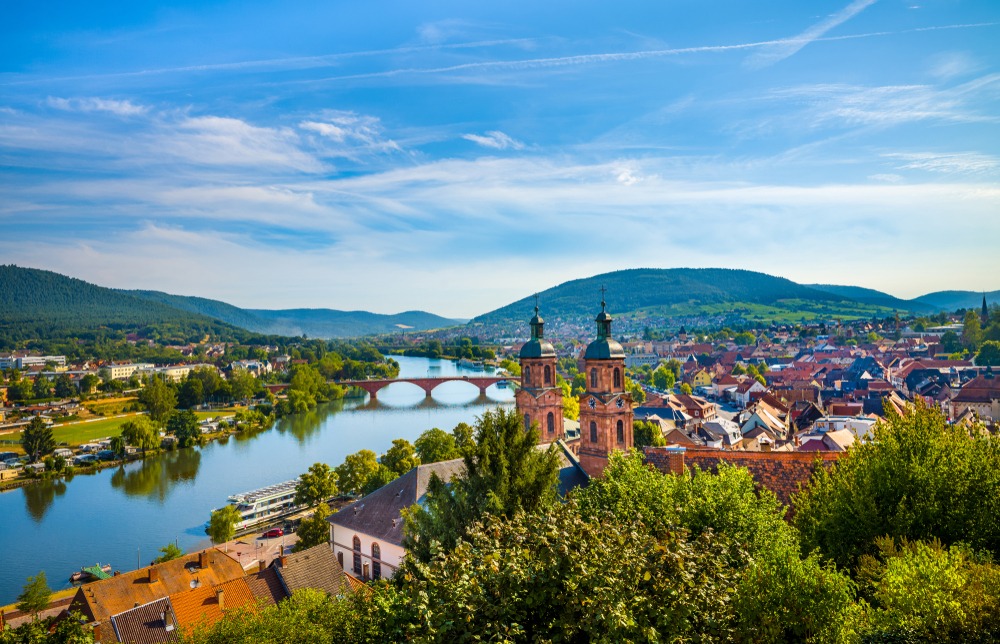
In Wertheim, the itinerary adds an artisan element with an exclusive glass-blowing presentation at the Glass Art Museum. It’s the kind of experience that helps explain why river cruising feels so immersive: you’re not just seeing places, you’re stepping into local traditions, hearing the stories behind them, and watching craftsmanship that has been practiced for generations.
Würzburg: Baroque Grandeur on the Romantic Road
Würzburg is often described as the “Pearl of the Romantic Road,” and the setting makes that clear almost immediately, with vineyard-covered hills rising around the city. The included excursion features a visit to the Würzburg Residenz, one of Germany’s most ornate Baroque palaces and a UNESCO World Heritage Site. Inside, the grandeur is not subtle, from the dramatic staircase to the intricate frescoes and sculptural detailing that turn architecture into an art form. This stop has a special appeal for travelers who love European palaces and the sense of elegance they represent.
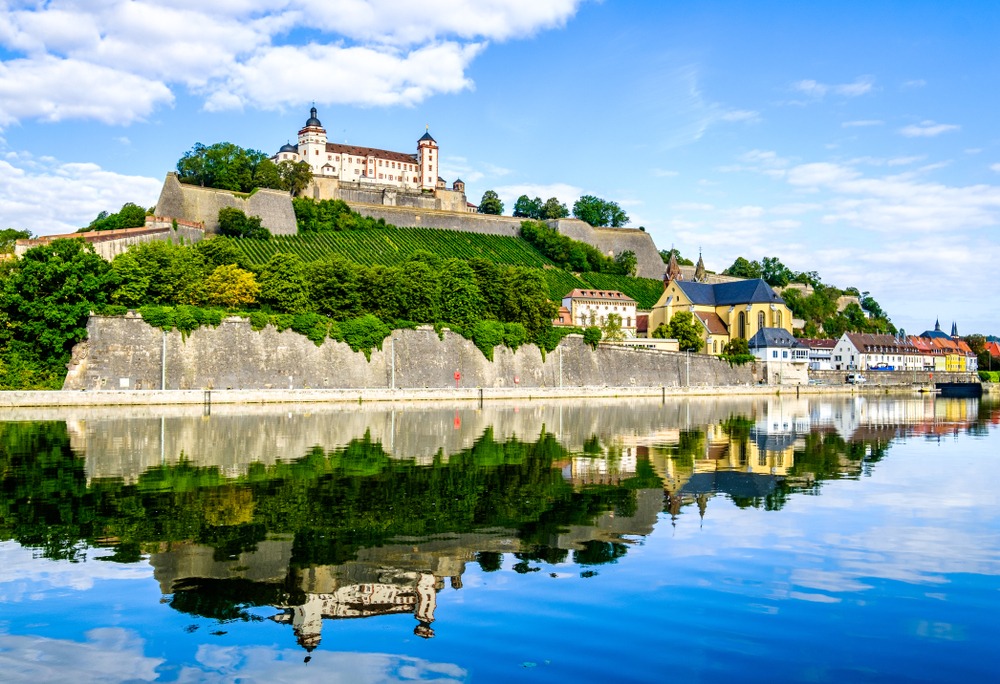
The itinerary also notes an optional visit to Rothenburg, a town famous for its medieval character and beautifully preserved streetscape, offering an additional “fairytale Germany” extension for those who want to expand their day beyond Würzburg.
Bamberg: A UNESCO Medieval Cityscape That Feels Intact
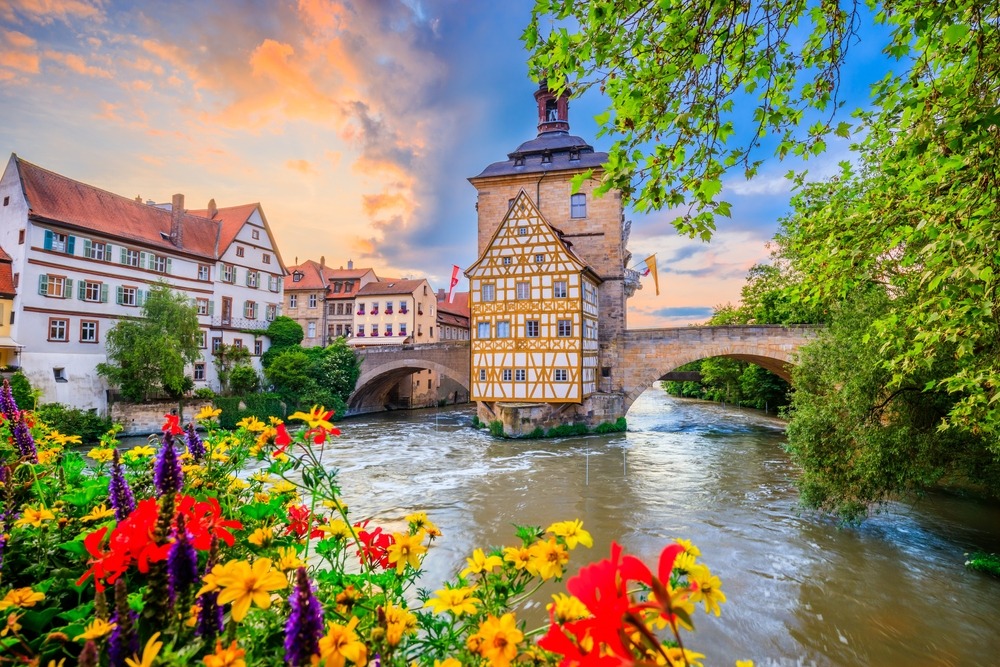
Bamberg arrives after a relaxing morning of cruising, and it often surprises travelers with how complete its historic center feels. As a UNESCO World Heritage city, it’s known for one of Europe’s largest intact medieval town centers, where richly decorated building façades and ornate details make even a casual walk feel like a guided museum tour. Exploring Bamberg is less about checking off a single landmark and more about absorbing a city that has preserved its character through centuries, creating a destination where the atmosphere is the attraction.
Nuremberg: Layers of History from Medieval Walls to World-Changing Events
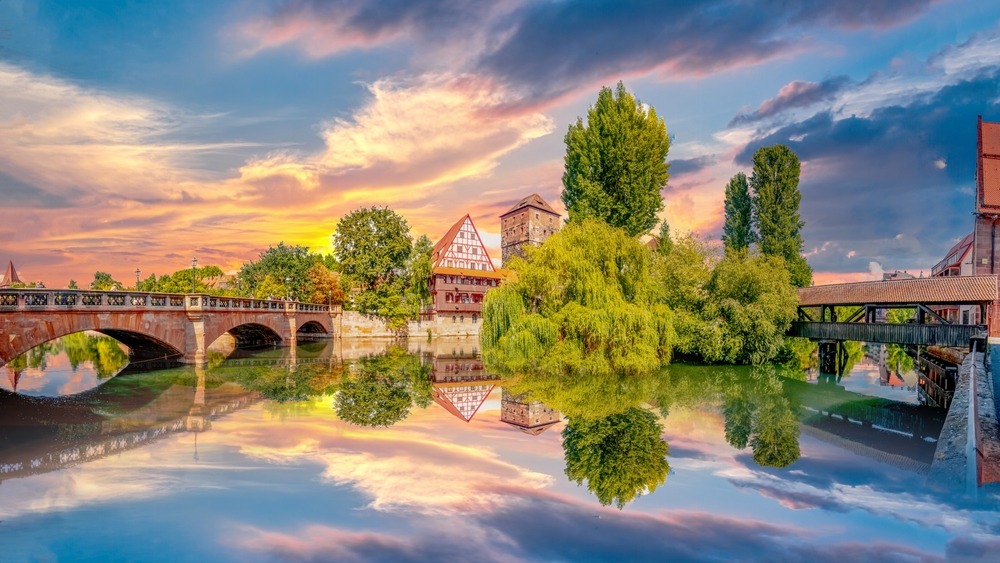
Nuremberg offers a powerful shift in tone, pairing the visual beauty of a historic walled city with the weight of 20th-century history. The included sightseeing tour highlights architectural landmarks and the medieval city center, while also providing insight into World War II and the impact those years left behind. For travelers who want a deeper historical focus, the itinerary references an optional World War II tour, which can add additional context and understanding to a city that played a significant role in modern European history.
Regensburg: Medieval Germany on the Danube and an Iconic River Crossing
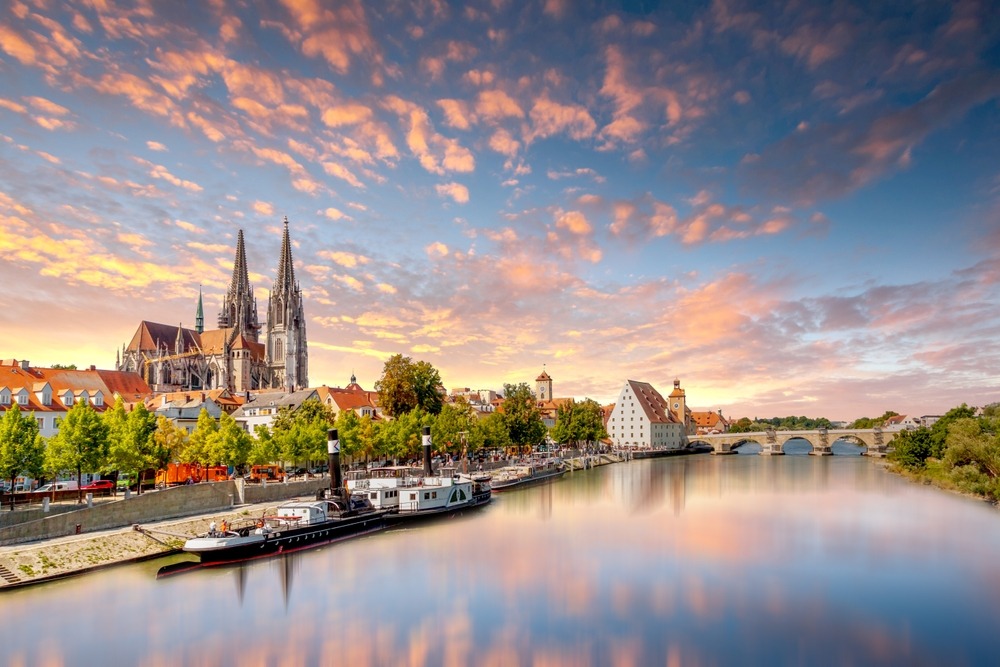
One of the most fascinating transitions on the entire voyage is the passage through the Main-Danube Canal, the waterway link that makes an Amsterdam-to-Budapest river cruise possible as a single continuous journey. After this stretch, the ship continues on the Danube to Regensburg, one of Germany’s best-preserved medieval cities. A guided walking tour introduces the UNESCO-recognized Old Town and highlights an especially notable feature: one of the oldest bridges crossing the Danube, a reminder that these rivers have connected communities for centuries and remain central to the region’s identity today.
Passau: Baroque Beauty, Narrow Lanes, and a Cathedral of Sound
Passau welcomes you with cobblestone streets, graceful arcades, and a setting shaped by its riverside position. On the included walking tour, you’ll see key historic features like the Gothic Town Hall and the Bishop’s Residence, culminating in St. Stephen’s Cathedral. Known as a fine example of Baroque architecture, it is also famed on this itinerary for housing Europe’s largest pipe organ, adding a sense of musical grandeur to the city’s already impressive visual character.
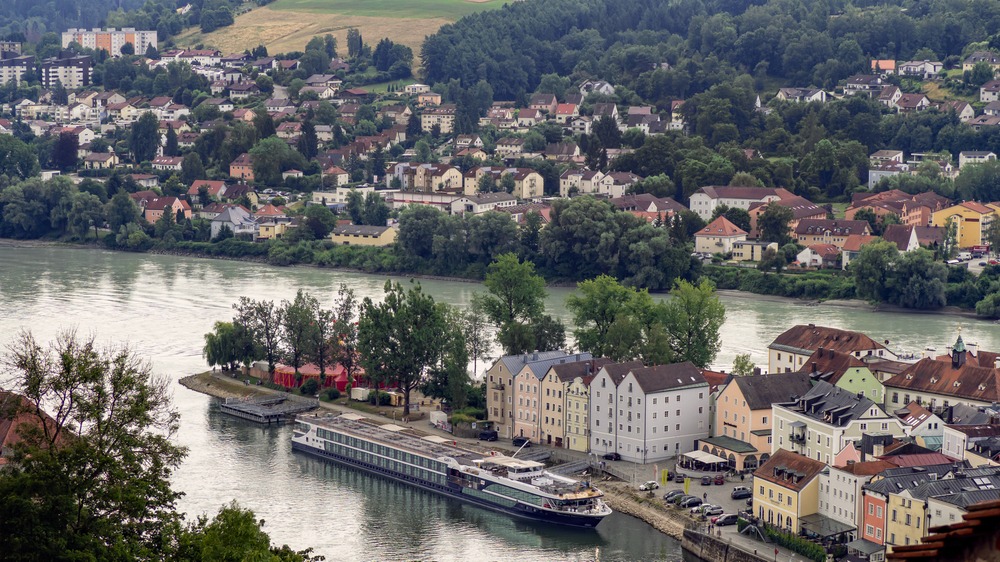
The itinerary also includes optional day-trip possibilities from this region, including Salzburg and Český Krumlov, offering travelers a chance to add either Mozart-era Austrian charm or storybook Bohemian atmosphere to their cruise experience, depending on their interests.
Melk and the Wachau Valley to: Abbey Views and One of Austria’s Most Scenic River Stretches
Melk is set within Austria’s celebrated wine-growing region and is home to a towering Benedictine Abbey with a history spanning roughly 900 years. The included visit highlights the abbey’s commanding presence and its role as a cultural landmark above the Danube. From here, the ship sails into the Wachau Valley, one of the most beautiful stretches of the entire Danube journey, where vineyard terraces and riverside villages create a landscape that feels both cultivated and natural.
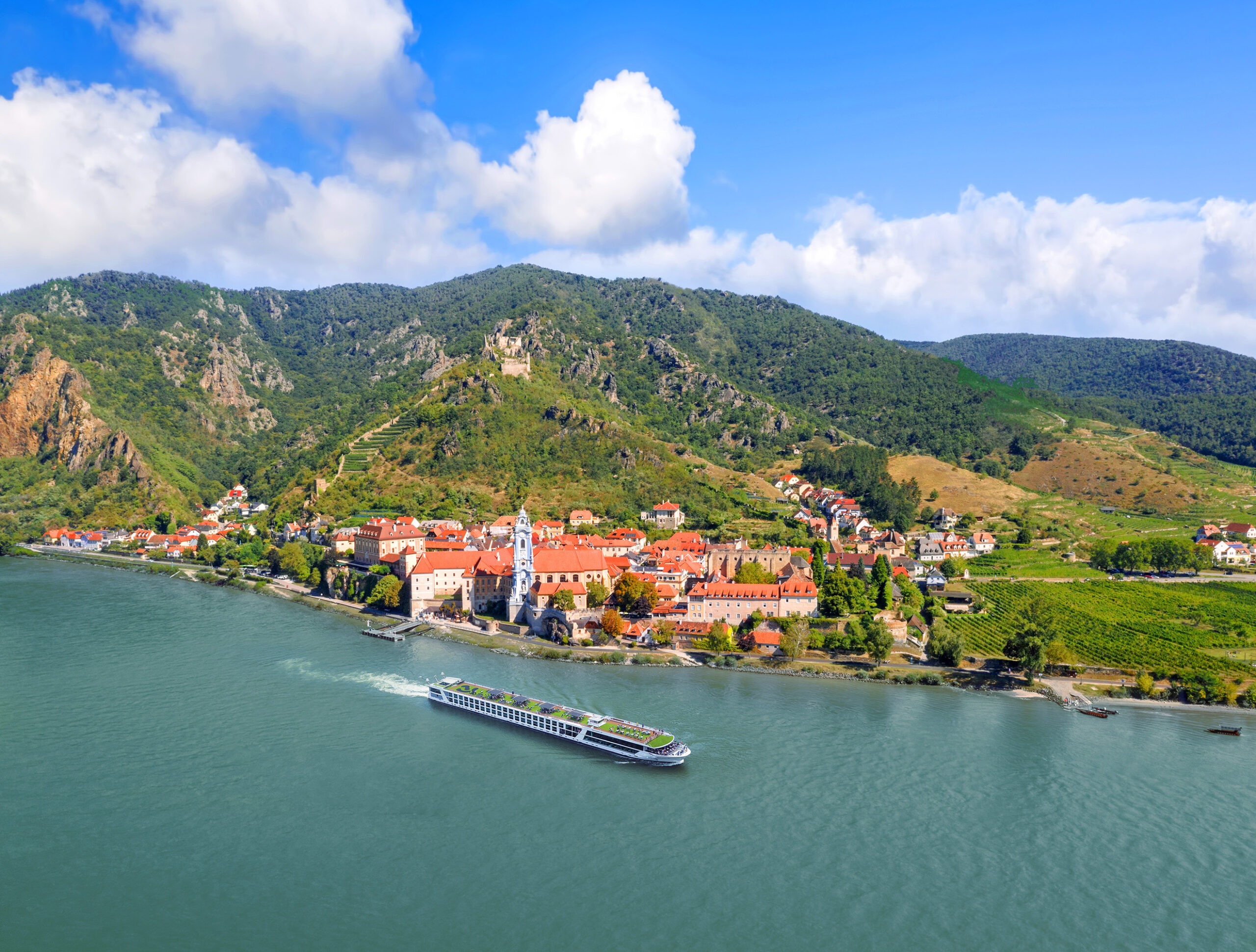
The arrival in Dürnstein adds a romantic finishing touch to the day. The village is known for its enchanting atmosphere and hillside setting, and the itinerary offers active options that bring you deeper into the landscape, including a guided bike route from Melk to Dürnstein or a hike up toward Dürnstein Castle for elevated views that make the valley’s beauty unmistakable.
Vienna: Imperial Avenues, Grand Institutions, and Timeless Elegance
Vienna is one of the cultural highlights of any Danube itinerary, and the cruise’s panoramic overview followed by a walking tour delivers the city’s iconic grandeur in a way that feels both structured and unhurried. The route includes the Ringstrasse, where Vienna’s monumental buildings frame the city’s imperial identity, along with key institutions like the Opera House, the Burgtheatre, and the Parliament. Afterward, free time invites you to shape your own Vienna moment, whether that means a classic café experience, a museum visit, or a quiet stroll through elegant streets that still reflect the city’s historic prominence.
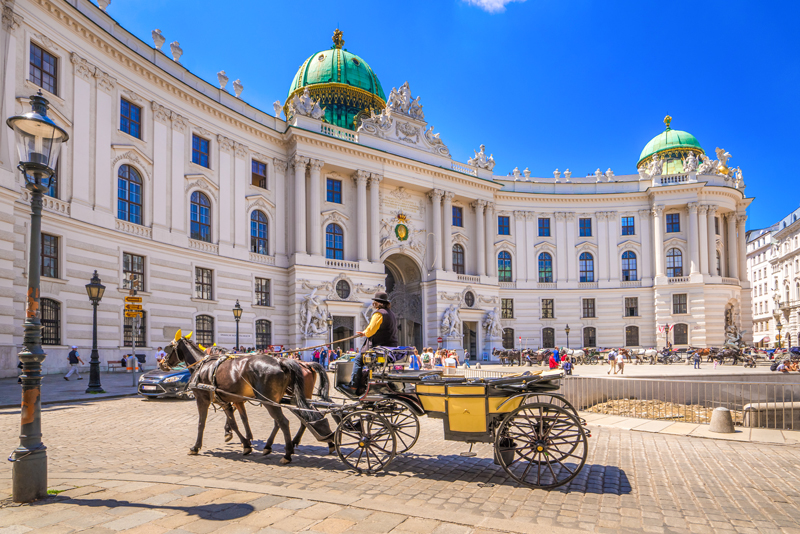
For travelers interested in expanding the Vienna experience, the itinerary mentions optional opportunities such as a visit to Schönbrunn Palace or an exclusive Viennese concert, both of which align beautifully with the city’s reputation for imperial history and musical heritage.
Bratislava: A Small Capital with Baroque Charm and Local Connection
Bratislava offers a warm, approachable capital-city experience, where Baroque palaces, boutiques, and cafés line cobblestone streets. The walking tour focuses on the Old City and includes important local landmarks such as the Town Hall, the Episcopal Summer Palace, and the Slovak National Theater. One of the most memorable elements mentioned in the itinerary is the cultural visit with a local family, an experience designed to move beyond sightseeing into genuine connection, helping travelers see how tradition and everyday life come together in modern Slovakia.
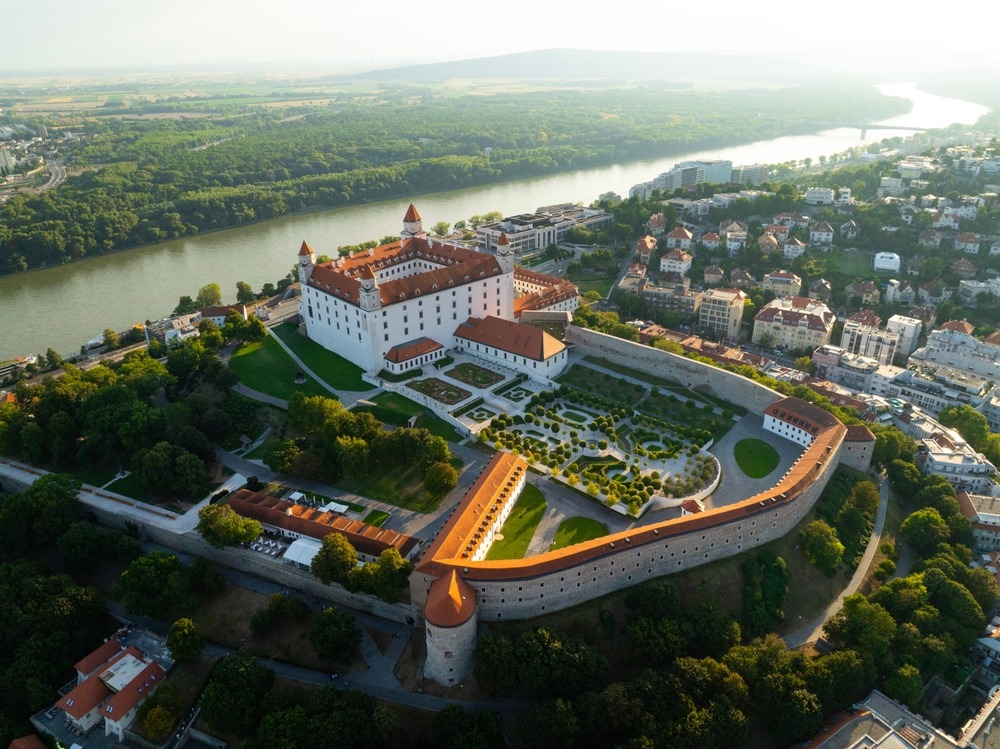
Those who want an added viewpoint can opt for a more active hike to Bratislava Castle, and the itinerary also highlights an optional Carpathian Wine Route experience for guests who want to connect their visit to the region’s broader wine culture.
Budapest: A Grand Finale on the Danube
Arriving in Budapest feels like reaching a dramatic culmination, as the Danube widens and the city’s architecture rises with a sense of confidence and beauty. The guided tour highlights some of the capital’s most recognizable features, including the Hungarian Parliament Building, the elegance of Andrassy Avenue, and the striking architectural character that gives Budapest its “two cities in one” feeling. With the afternoon at leisure, travelers can continue exploring at their own pace, whether that means lingering along the riverfront, discovering neighborhoods with local flavor, or seeking out the viewpoints that make Budapest so photogenic.
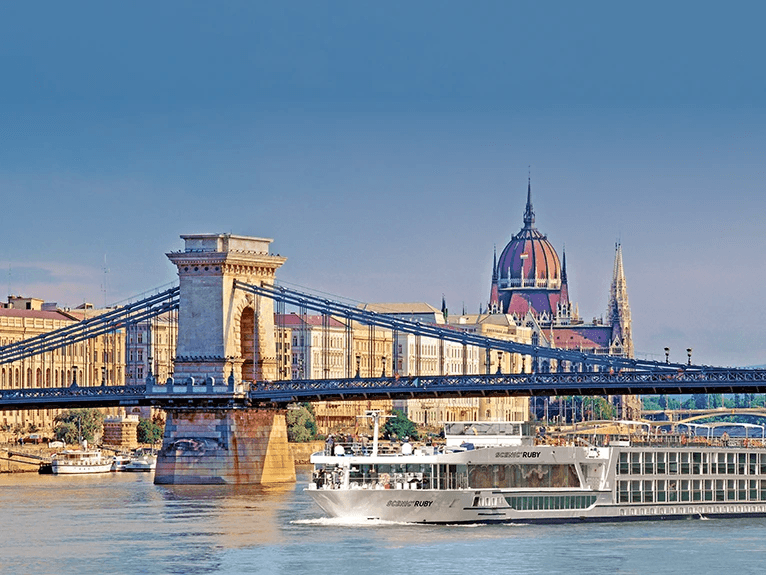
The itinerary’s final evening onboard is designed as a celebration, featuring a traditional Hungarian farewell dinner and a folklore show that provides a fitting cultural close to a journey built around regional identity and shared experience. For those who want to add even more depth to their time in Budapest, the itinerary notes options such as a hike to Gellert Hill for sweeping city views, an excursion to the charming riverside town of Szentendre, or a Jewish Heritage tour that explores an essential part of Budapest’s cultural history.
Why This Route Feels Like “Europe in One Cruise”
An Amsterdam-to-Budapest river cruise succeeds because it doesn’t just connect destinations, it connects themes: water-shaped cities, medieval town centers, UNESCO-recognized landscapes, living craft traditions, and capital cities where music, architecture, and history converge. Along the Rhine, Main, and Danube, each stop adds a new chapter, and between them the rivers provide the calm, scenic continuity that makes the entire experience feel effortless. For travelers who want depth, beauty, and variety without the stress of constant packing and airport transfers, this itinerary is a classic for a reason.