How Summer Solstice Is Celebrated Around the World
The summer solstice marks the longest day of the year in the Northern Hemisphere, when the sun reaches its greatest northern declination and daylight stretches to its annual peak. Before clocks, calendars, and satellite weather forecasts, ancient civilizations tracked the solstice to understand seasonal rhythms essential to agriculture, ritual life, and social cohesion. Although modern societies have moved far beyond prehistoric astronomy, solstice traditions continue to thrive across cultures, blending ancient symbolism with contemporary festivities. From midsummer bonfires in Europe to the midnight sun of the Arctic Circle, and from Andean sun festivals to yoga gatherings in India, the summer solstice reveals how humans everywhere maintain a spiritual and cultural connection to the natural world. What follows is an exploration of how a broad array of countries and regions mark this cosmic turning point with rituals, celebrations, and cultural expressions that remain remarkably alive.
Sweden: Midsommar
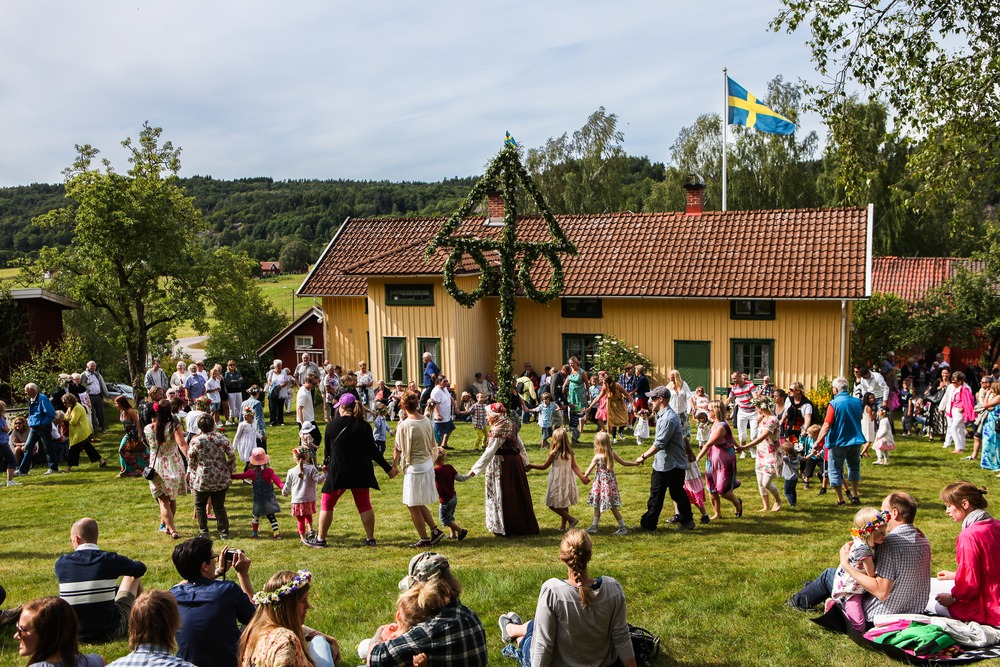
In Sweden, Midsommar rivals Christmas as one of the most cherished holidays of the year. Rooted in pagan fertility rites and agricultural cycles, the celebration unfolds on the Friday closest to June 21. Families and friends gather in rural meadows to raise maypoles (midsommarstång), dance traditional rounds, and wear crowns woven from wildflowers. Pickled herring, salmon, new potatoes, crispbread, and fresh strawberries appear on long communal tables, accompanied by singing and schnapps toasts. While the modern festivities feel joyful and lighthearted, the deeper context reflects the Nordic reverence for sunlight, especially after long, dark winters. For Swedes, Midsommar embodies renewal, the fullness of nature, and the warmth of community.
United Kingdom: Stonehenge
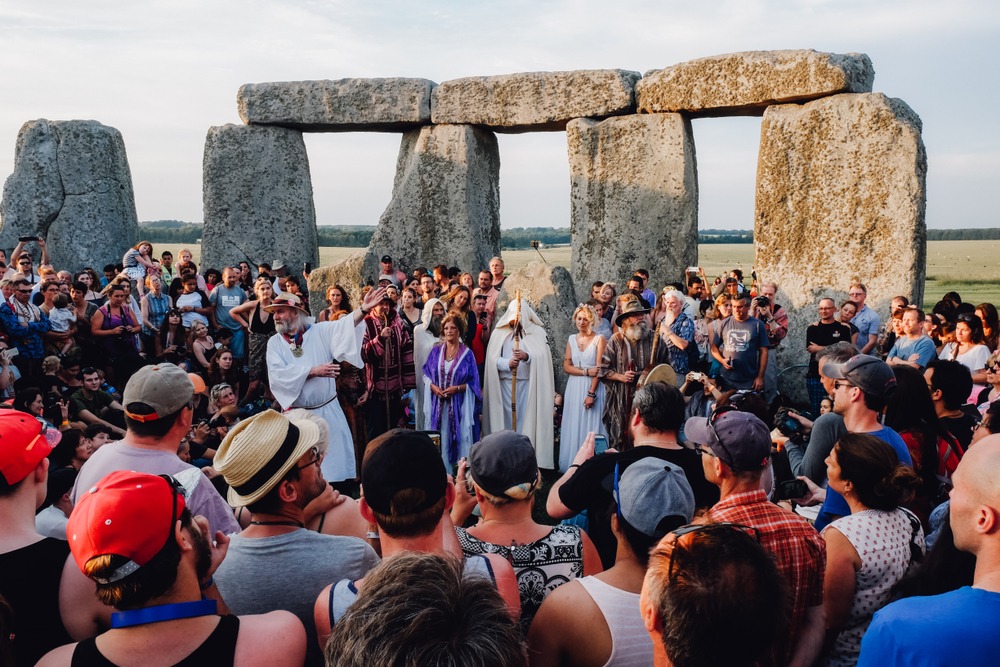
At Stonehenge in Wiltshire, thousands gather to witness the solstice sunrise, when the first light aligns with the ancient Heel Stone and illuminates the interior of the stone circle. Archaeologists believe this alignment was intentional, underscoring the astronomical sophistication of Neolithic societies. Today, Druids, Pagans, Wiccans, historians, and visitors from around the world converge before dawn for rituals, meditation, drumming, and silent contemplation. For many, the solstice at Stonehenge represents a bridge between the scientific and the sacred, where ancient engineering meets celestial wonder.
Latvia: Jāņi and Līgo Night
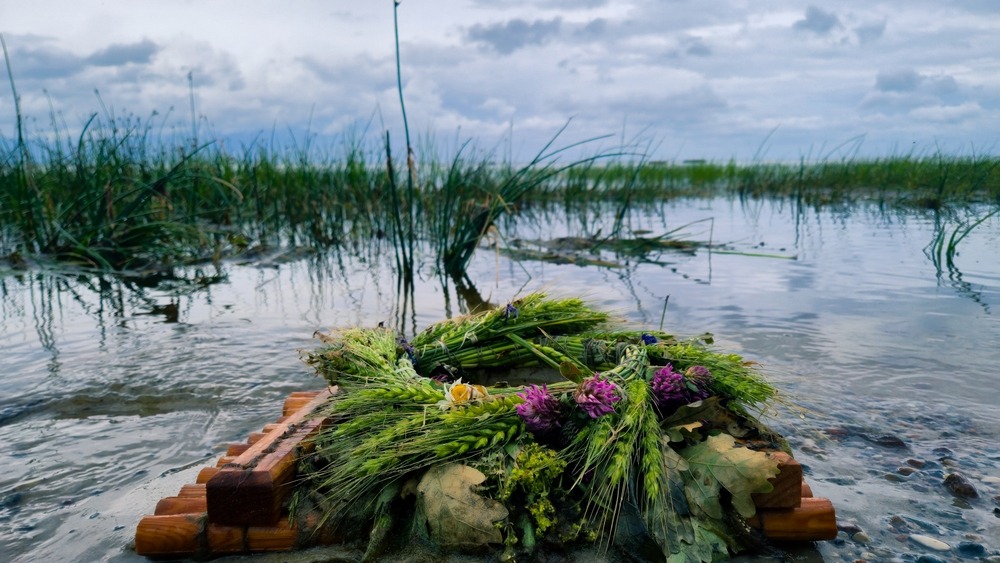
Latvia’s midsummer festival, known as Jāņi or Līgo Night, is a national holiday rooted in pre-Christian fertility rites that honored cattle, crops, and the sun’s protective power. Celebrations take place outdoors on June 23, with participants donning oak leaf wreaths (for men) or floral wreaths (for women). Folk songs featuring the refrain “līgo” fill the air, while bonfires are lit to ward off evil and encourage good fortune. Caraway cheese and local beer are central to the feast, and staying awake until sunrise is considered auspicious. The endurance of Jāņi reflects the deep cultural bond Latvians maintain with the land, seasons, and folk tradition.
Japan: Solstice-Season Shinto Practices
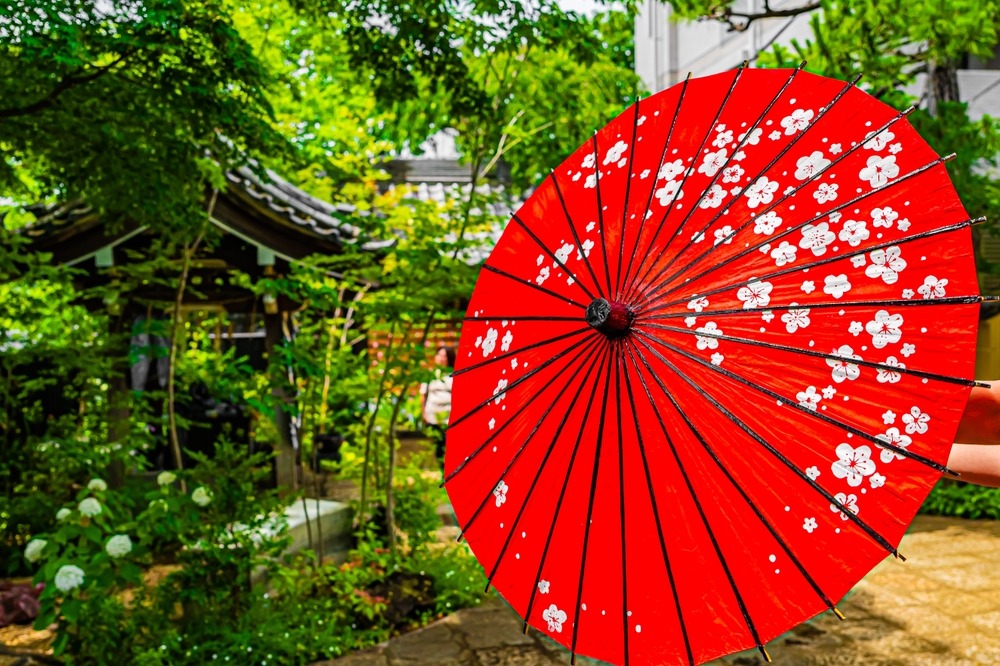
Japan does not celebrate the solstice with a single unified festival, yet Shinto and regional customs tie the period to purification, health, and agricultural blessings. In northern regions such as Aomori, communities make offerings for plentiful harvests and successful fishing seasons. The solstice also precedes the Shinto rite of Nagoshi-no-Harae on June 30, a midyear purification ritual in which worshippers pass through a large ring of woven reeds (chinowa) to cleanse spiritual impurities. Although rooted in ancient cosmology, these observances align closely with themes of renewal, health, and cosmic balance associated with the solstice worldwide.
Iceland: Midnight Sun Festival
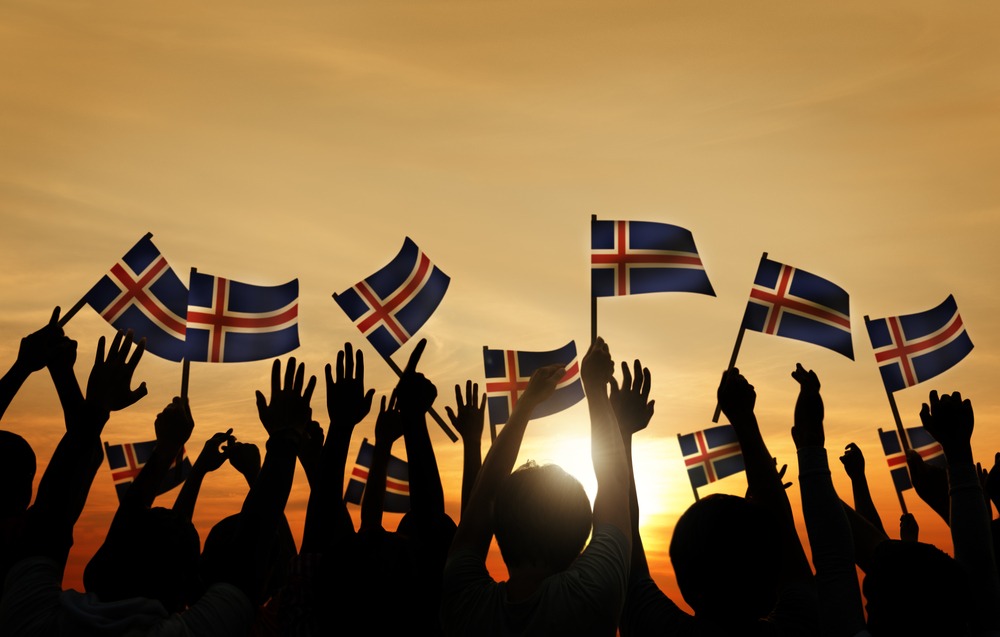
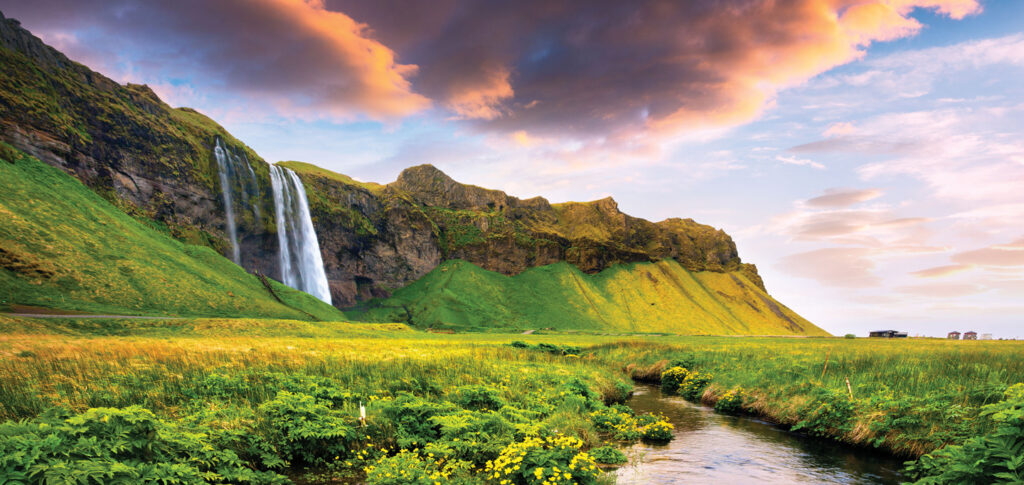
Iceland’s position near the Arctic Circle creates an extended period of continuous daylight at the solstice. The Midnight Sun Run in Akureyri draws participants who complete races under a sky that never fully darkens. Beyond athletic events, Icelanders gather for geothermal pool parties, outdoor concerts, and late-night excursions that celebrate the surreal brightness of midsummer. Historically, the solstice marked a critical time for agriculture and fishing, but modern celebrations highlight the intimate connection Icelanders maintain with dramatic landscapes illuminated by the golden midnight sun.
Canada: National Indigenous Peoples Day
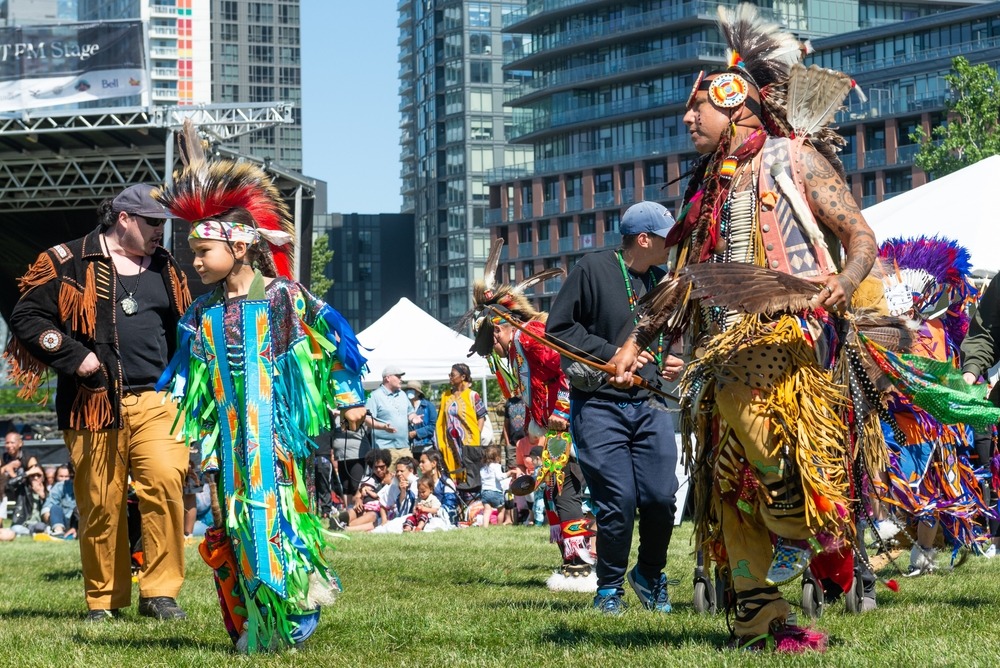
June 21 marks National Indigenous Peoples Day in Canada, a holiday that recognizes the cultural heritage of First Nations, Métis, and Inuit communities. The solstice’s timing resonates with Indigenous cosmologies that associate this day with renewal, ecological balance, and spiritual connection to the land. Across the country, powwows, drum circles, storytelling, and traditional foods showcase the diversity of Indigenous cultural expression. Elders share knowledge linking solstice light to seasonal cycles, emphasizing stewardship, memory, and continuity. The holiday functions both as a celebration and an affirmation of Indigenous presence on ancestral lands.
Peru and Bolivia: Inti Raymi
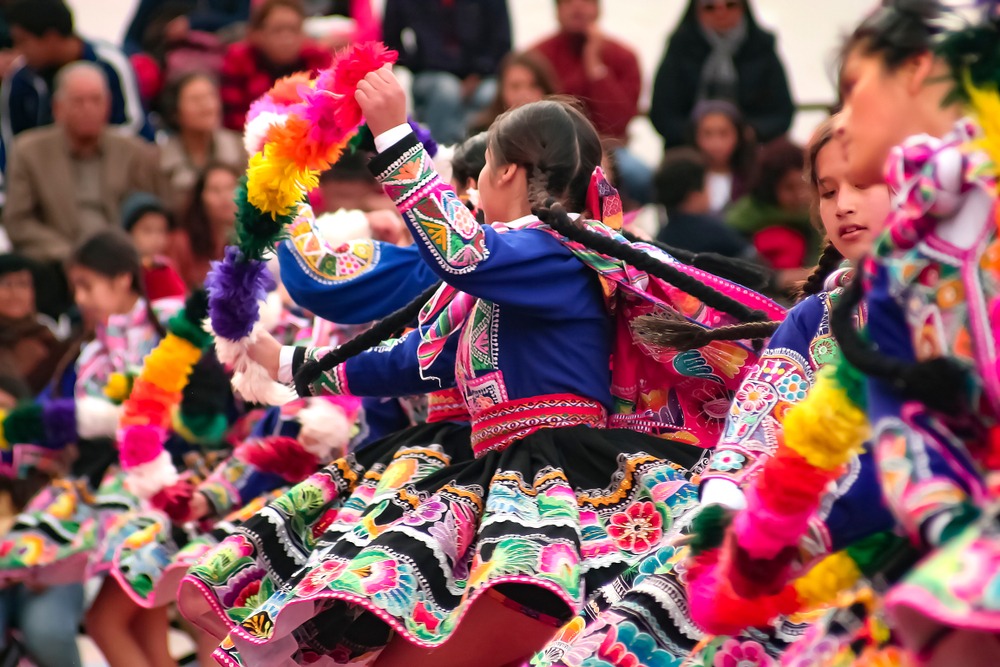
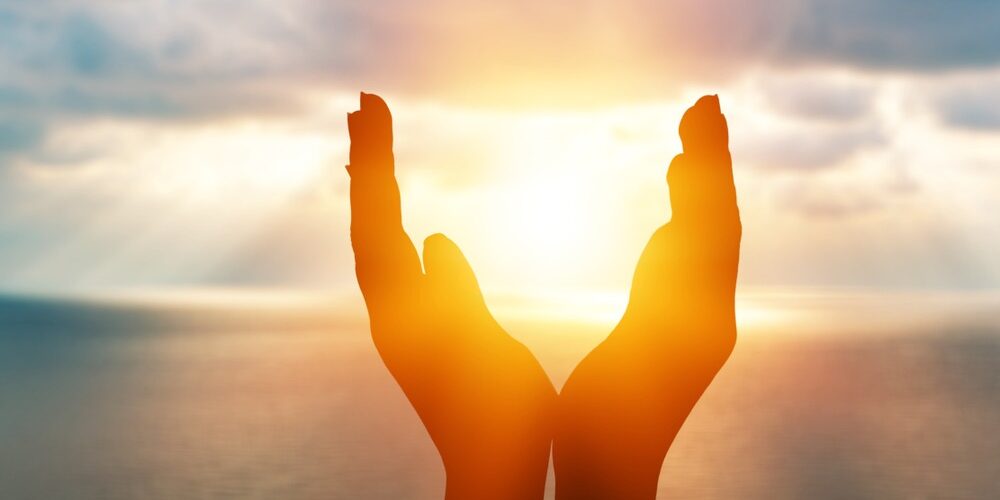
In the Andean world, the solstice is inseparable from the festival of Inti Raymi, the Inca celebration of the Sun God Inti. Historically held at Sacsayhuamán in Cusco, it marked the Andean New Year and the sun’s return after winter. Although banned by colonial authorities, the festival was revived in the 20th century and now draws thousands to witness elaborate reenactments featuring Inca nobles, priests, and ritual processions. Across the highlands, communities greet the sunrise with raised hands, blessings in Quechua or Aymara, and communal feasts. Inti Raymi reflects a seamless integration of astronomy, agriculture, and spirituality that still shapes Andean identity.
United States: Alaska and the Arctic Circle
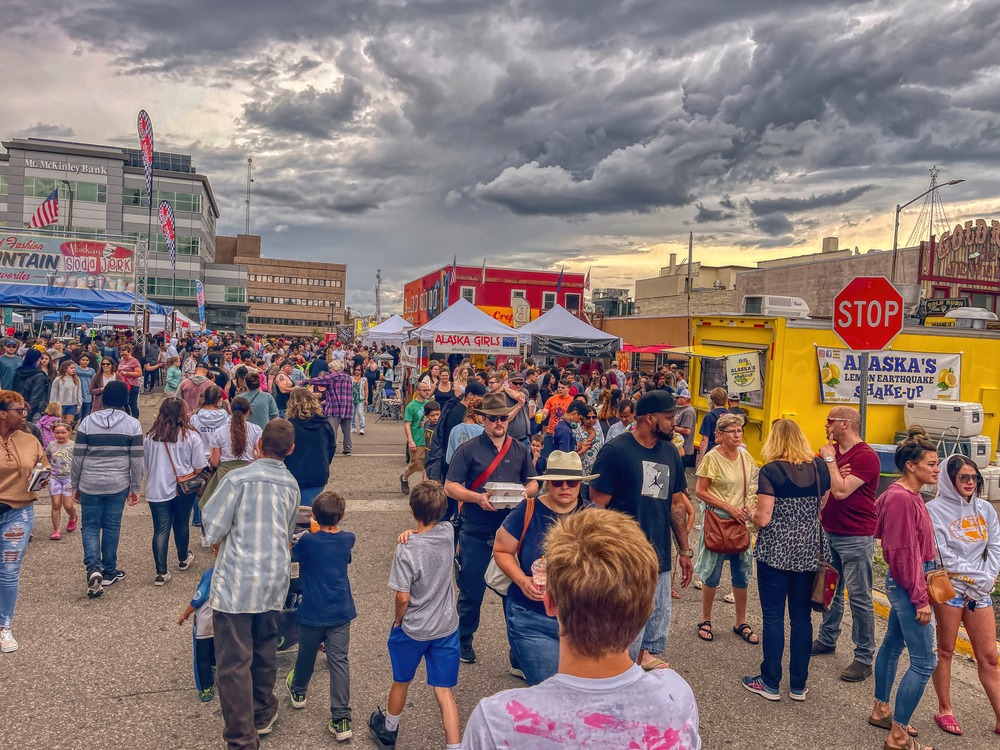
Above the Arctic Circle in Alaska, the solstice brings weeks of uninterrupted daylight. Communities such as Utqiaġvik and Nome embrace this period with festivals, baseball games at midnight, Indigenous dance gatherings, and community meals. Fairbanks hosts the Midnight Sun Festival, filling streets with music and visitors. For Indigenous Iñupiat communities, the season aligns with subsistence activities linked to river and tundra cycles. The solstice remains both a cultural celebration and an ecological waypoint.
Spain: La Noche de San Juan
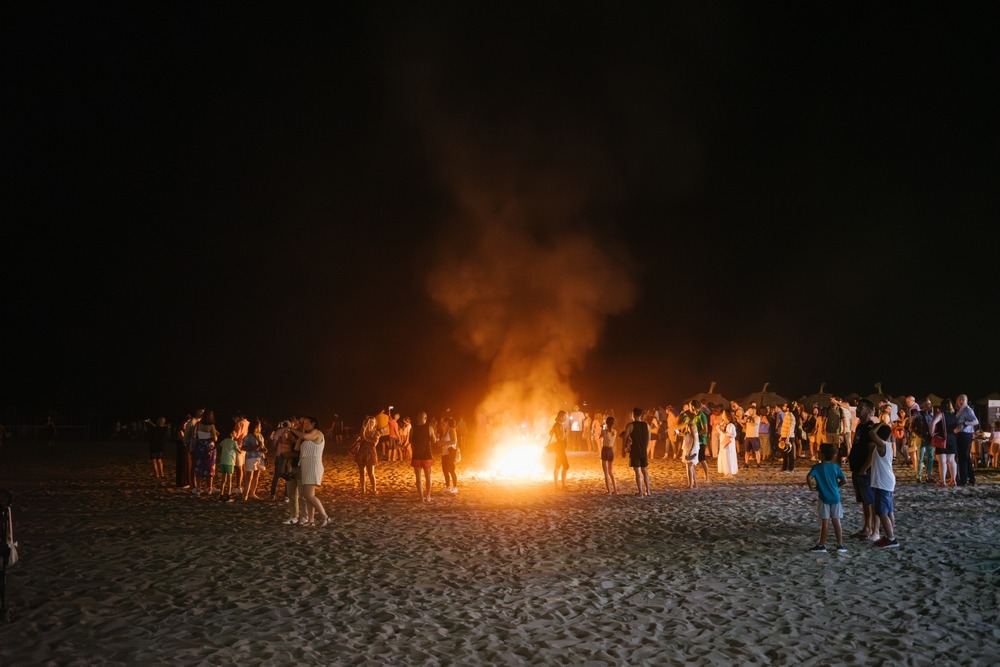
In Spain, especially along the Mediterranean coast, the solstice manifests as La Noche de San Juan on June 23. Bonfires on beaches symbolize purification and renewal, and in cities like Barcelona and Valencia, fireworks illuminate the night while families picnic along the shore. Alicante elevates the event through the Hogueras de San Juan, where massive papier-mâché sculptures are ceremonially burned. The symbolism—fire driving away misfortune—traces back to ancient Iberian sun worship despite the Christianized name.
Estonia and Lithuania: Jaanipäev and Joninės
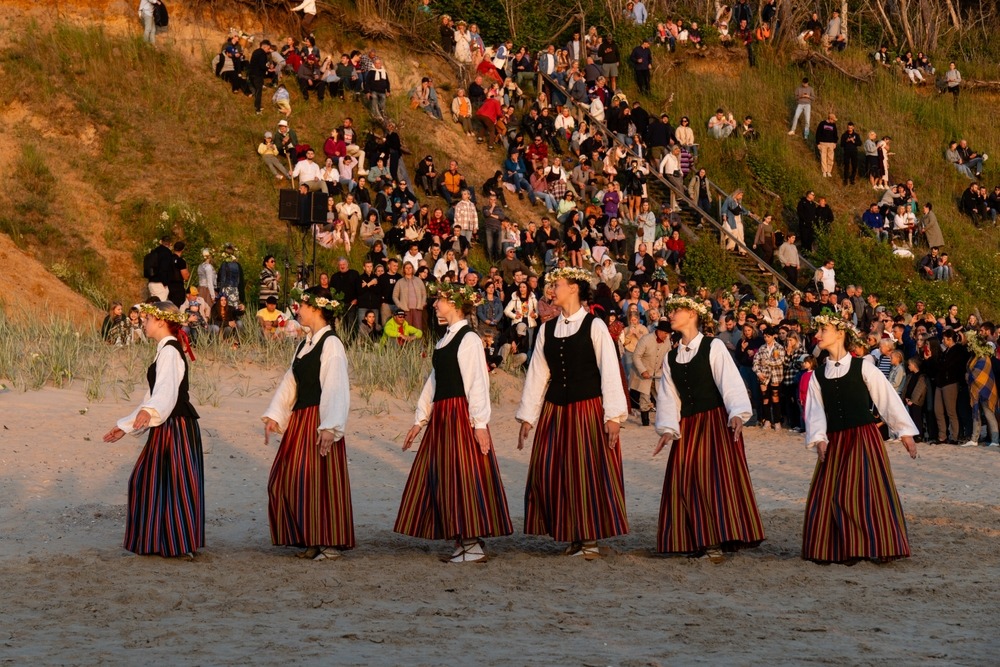
Baltic midsummer festivals preserve strong pagan elements tied to fertility, harvests, and protective magic. Bonfires dominate both Estonian Jaanipäev and Lithuanian Joninės, while singing, dancing, folklore, and herbal rituals enrich the night. The legendary search for the flowering fern is said to bring luck to those who find it, even though real ferns do not bloom. Staying awake until dawn symbolizes vigilance against misfortune. These festivals reveal a cultural memory that predates Christianity and remains central to Baltic identity.
China: Xiàzhì and Dragon Boat Traditions
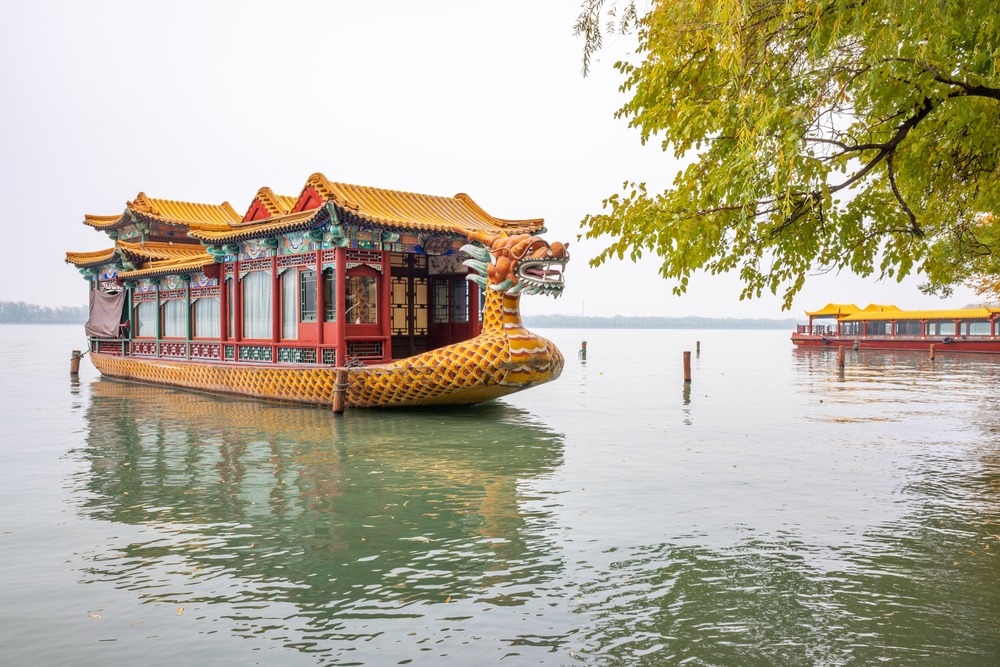
While China does not widely celebrate the solstice as a standalone festival today, the traditional solar term Xiàzhì marks it as a moment of cosmic transition. Historically associated with yin energy at its peak, the solstice connects to health and agricultural timing. Nearby on the calendar is the Dragon Boat Festival, which features dragon boat races, zongzi rice dumplings, and rituals against disease and humidity. These customs reflect an ancient awareness of seasonal forces that mirrors solstice observances elsewhere in the world.
Greece: Klidonas and St. John’s Eve
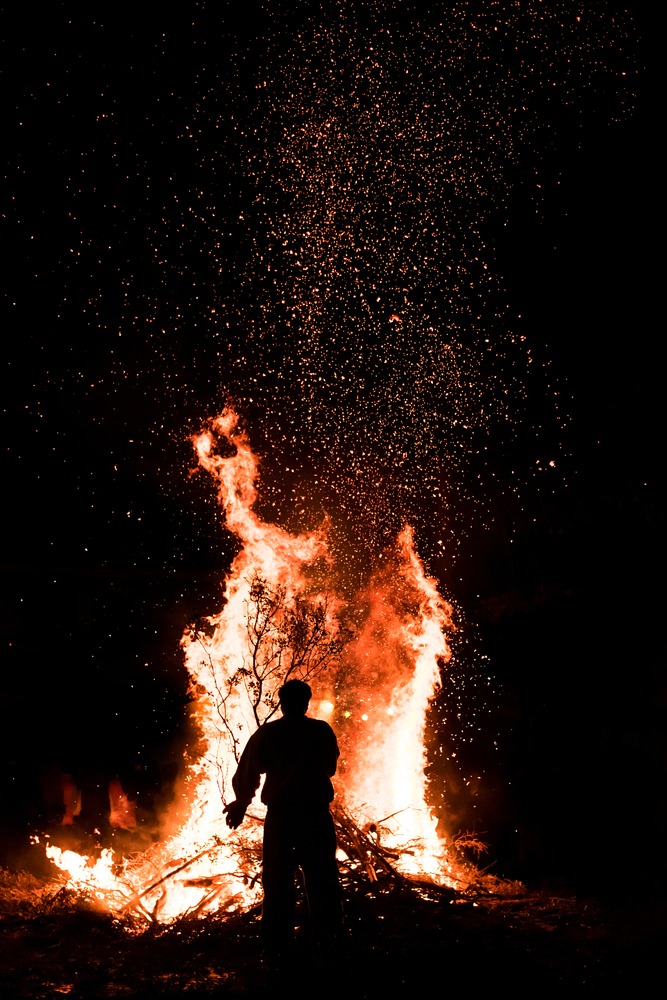
In Greece, St. John’s Eve (Klidonas) incorporates midsummer fire rituals with Christian framing. Participants burn dried May Day wreaths in bonfires and leap over flames for protection and luck. Rural communities preserve divination customs involving “silent water,” where objects placed in urns predict future marriage or prosperity. The rituals echo ancient Hellenic nature worship despite their modern Christian calendar context.
Ireland: Bonfire Night
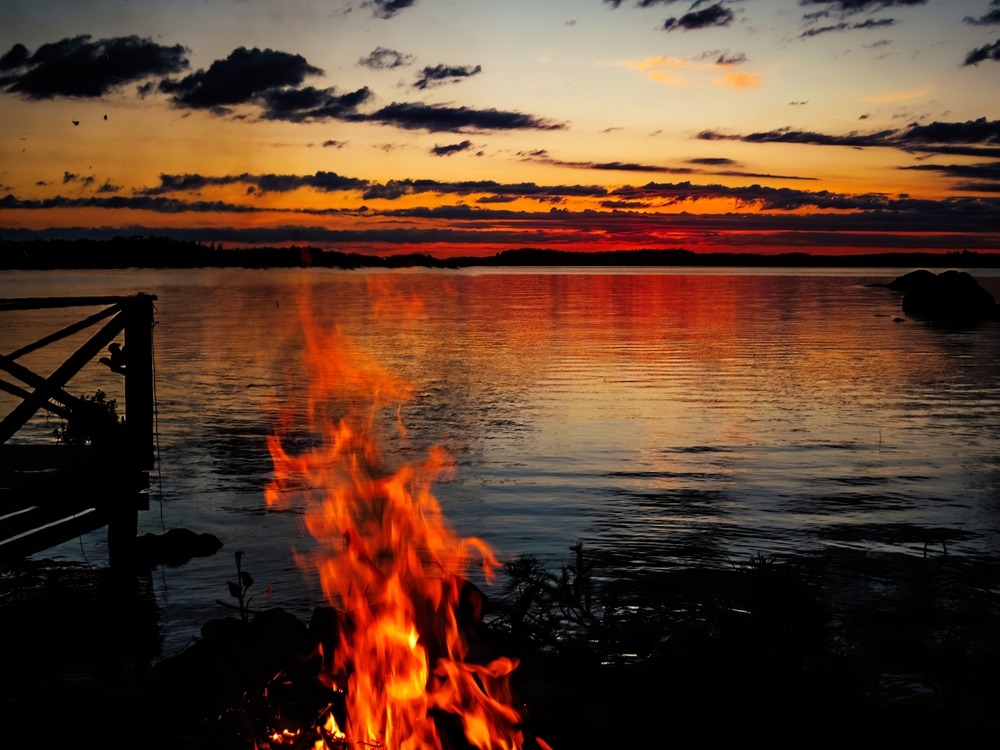
Along Ireland’s western coast, Bonfire Night on June 23 preserves deep agrarian solstice symbolism. Hilltop fires, outdoor gatherings, and music sessions animate rural communities. Historically, burning torches were carried around fields to guard crops and livestock. Christianity layered new meanings onto older customs, but fire remains the ritual centerpiece that binds past and present.
Finland: Juhannus
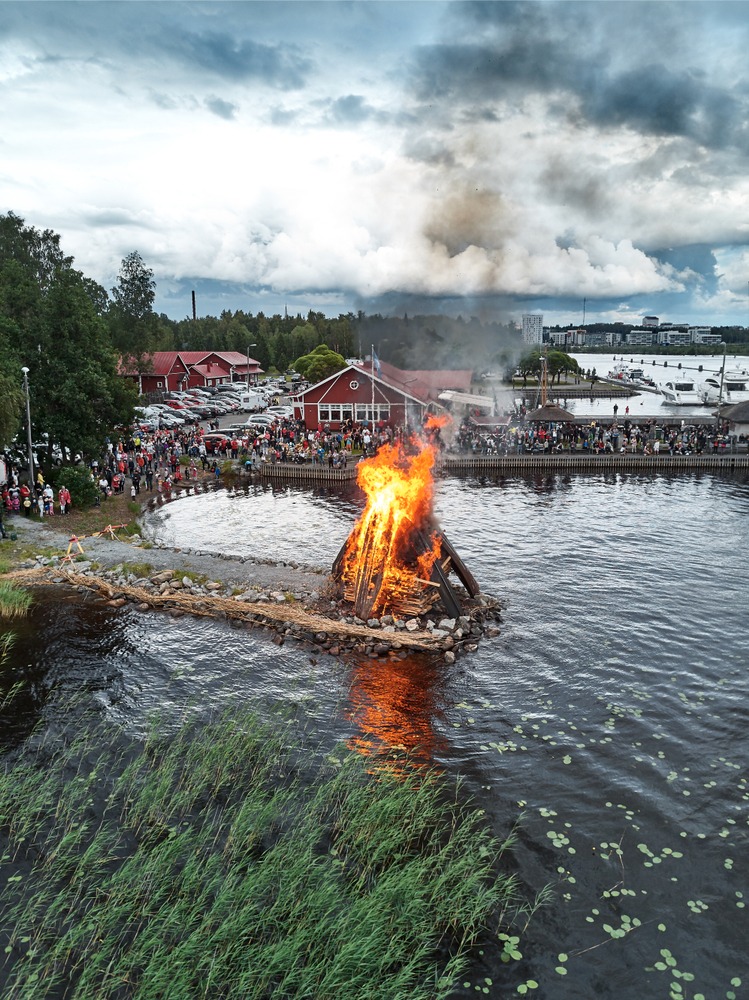
Juhannus in Finland marks the height of summer and draws much of the population to lakeside cottages. Saunas, swimming, boating, grilling, and bonfires create a relaxed but symbolically rich holiday environment. Historically associated with the sky god Ukko and agricultural fertility, Juhannus also carries romantic folklore about dreaming of one’s future spouse. The modern festival blends rustic leisure with ancient reverence for light and nature.
New Zealand: Southern Solstice and Matariki
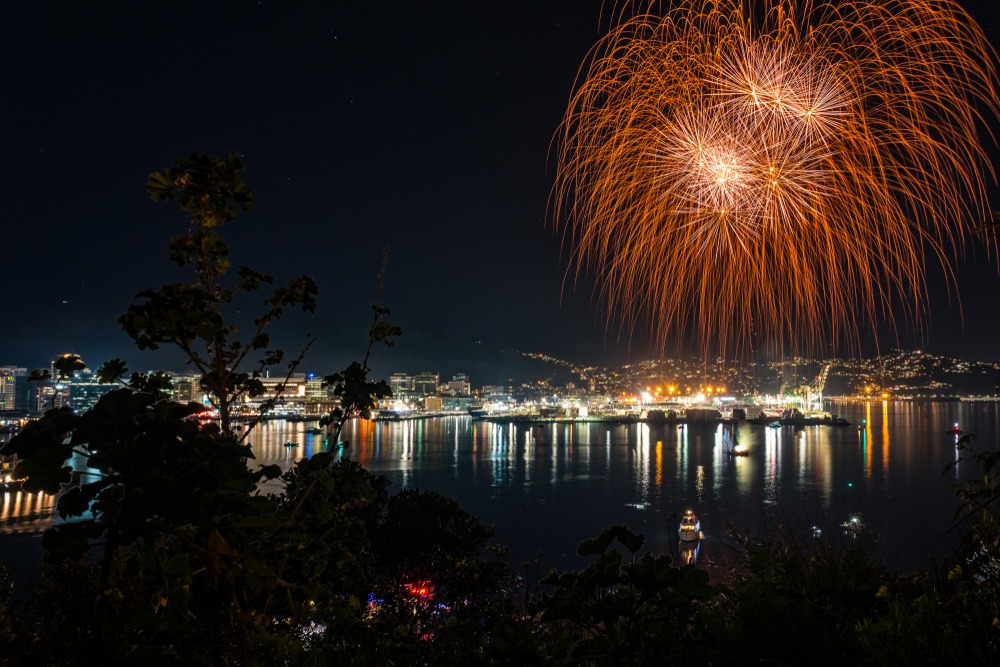
New Zealand’s situation in the Southern Hemisphere means the June solstice marks winter, not summer. However, the rising of the Matariki star cluster around this time signals the Māori New Year. Matariki involves remembrance, environmental care, and communal gatherings that emphasize cultural continuity. Meanwhile, the December solstice aligns with outdoor concerts, beach gatherings, and holiday festivities that celebrate the southern summer sun.
India: Surya Traditions and Yoga Day
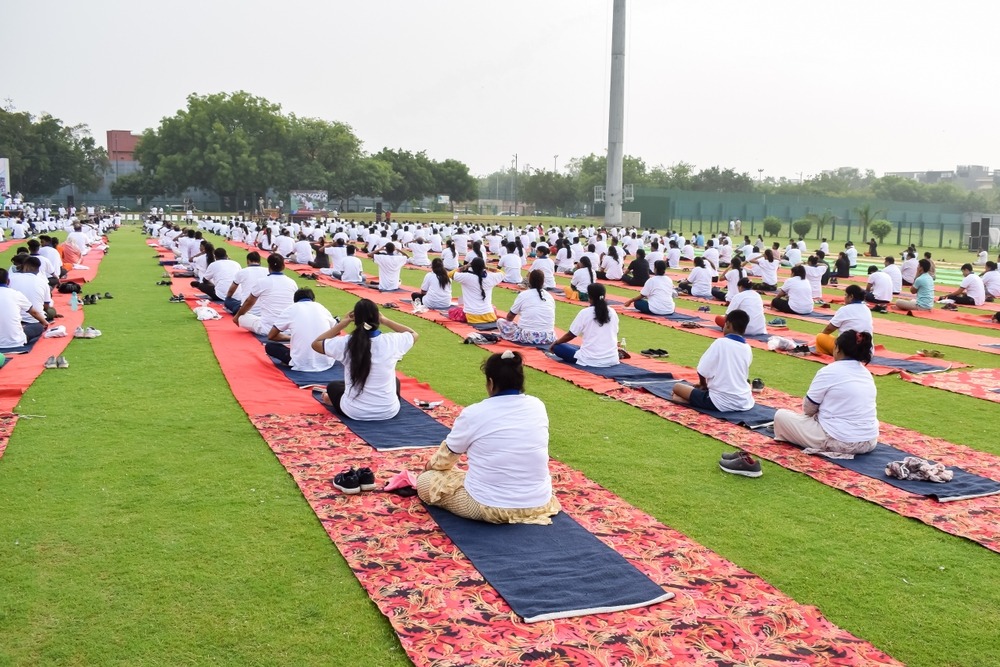
India’s historical connection to solar deities, especially Surya, links the solstice to Vedic astronomy and agricultural timing. While not a widespread public holiday, June 21 became International Yoga Day in 2015, with India highlighting the solstice’s cosmological symbolism. Mass yoga gatherings emphasize sun salutations (Surya Namaskar) and holistic well-being. Rural agrarian communities also monitor seasonal transitions tied to the monsoon, reinforcing the solstice as a marker of environmental change.
In Conclusion
Across continents and cultures, summer solstice traditions reveal humanity’s enduring fascination with the movements of the sun. Whether expressed through bonfires, rituals of purification, astronomical ceremonies, athletic gatherings, or quiet spiritual reflection, the solstice affirms the fundamental relationship between human society and the natural world. In modern times, these celebrations bridge past and present, combining ancient cosmologies with contemporary cultural identity. The solstice is therefore more than an astronomical event; it is a shared global heritage that honors light, life, renewal, and the cyclical rhythms that shape our place on Earth.