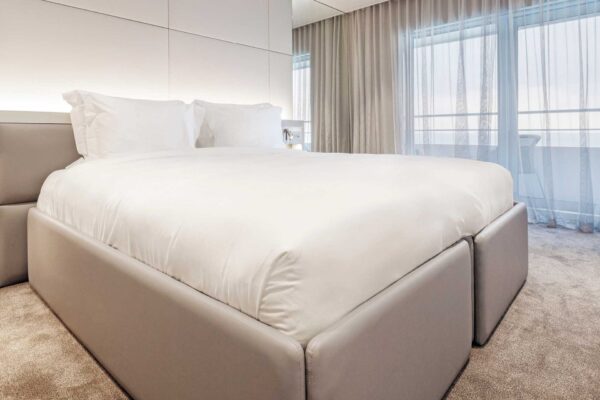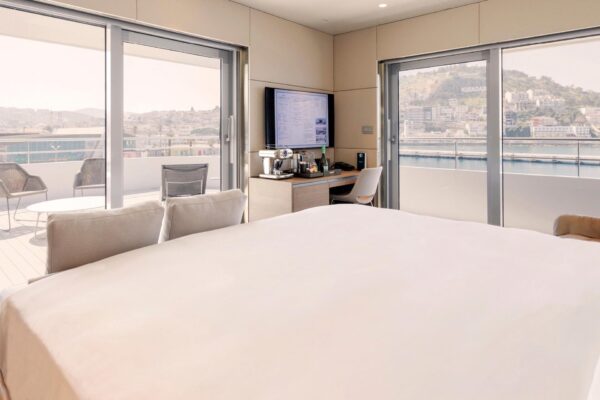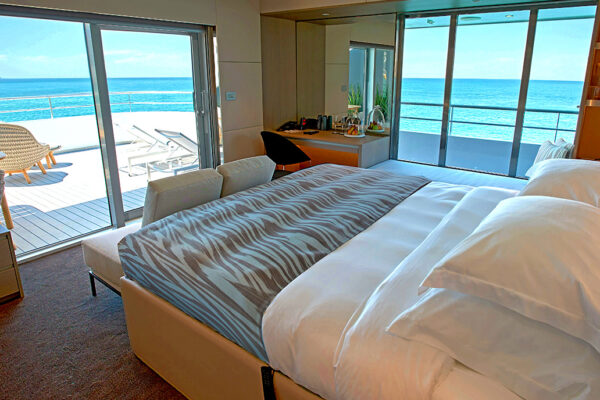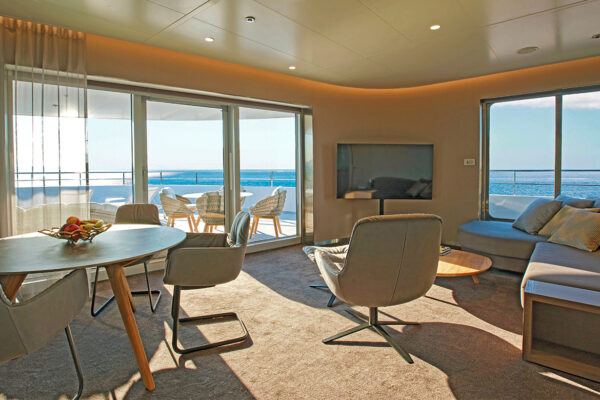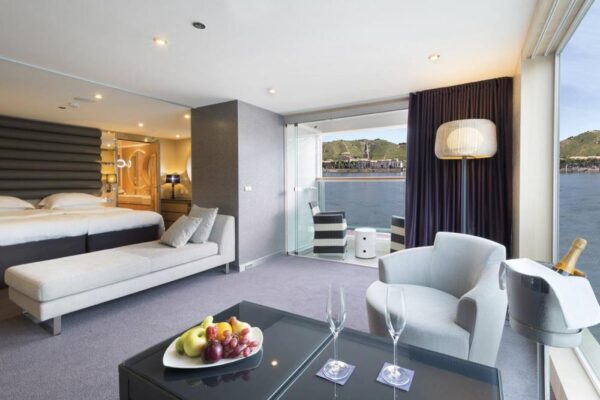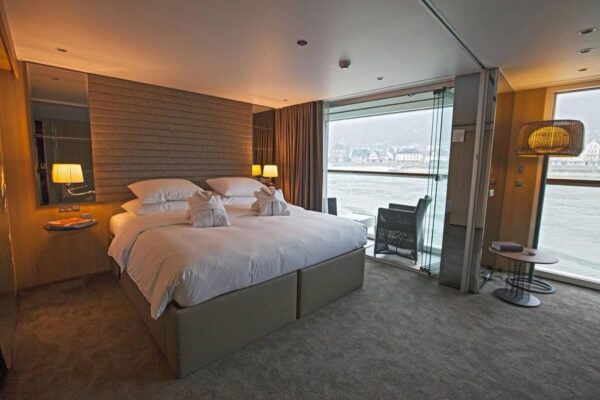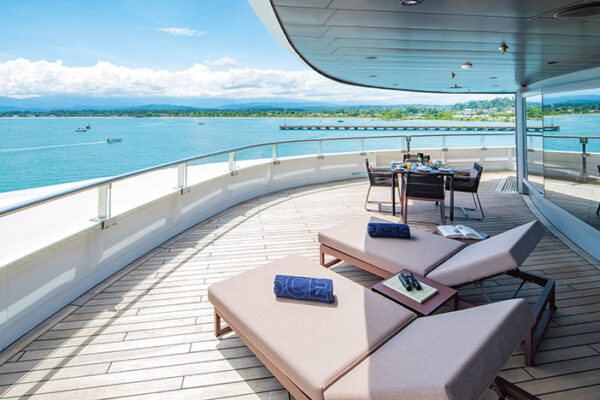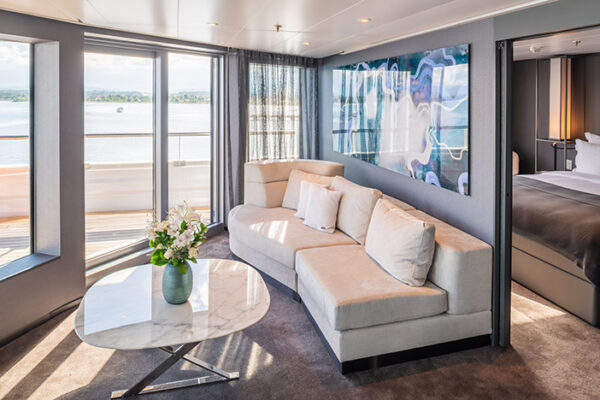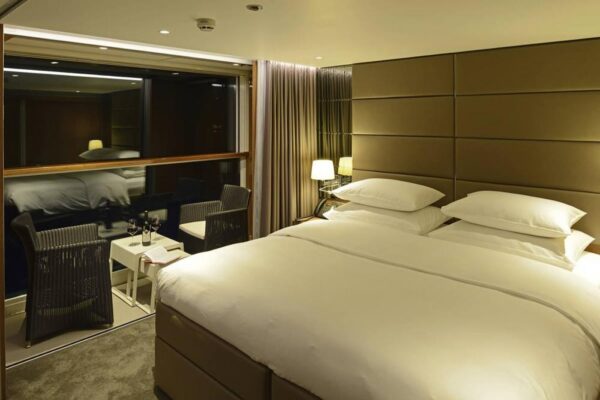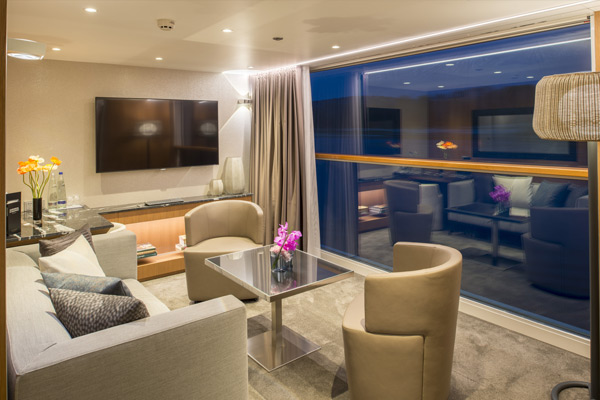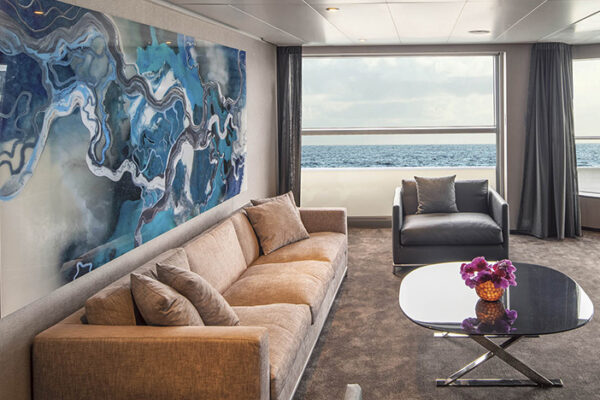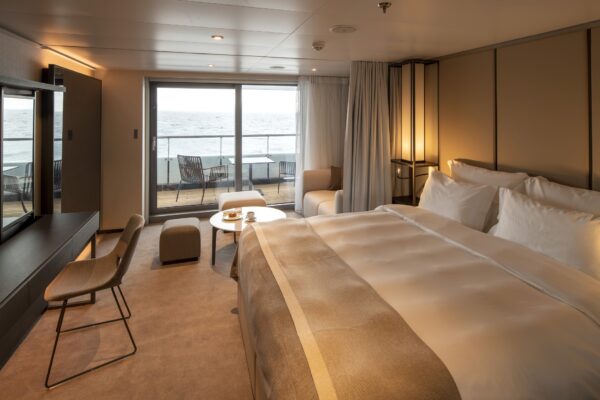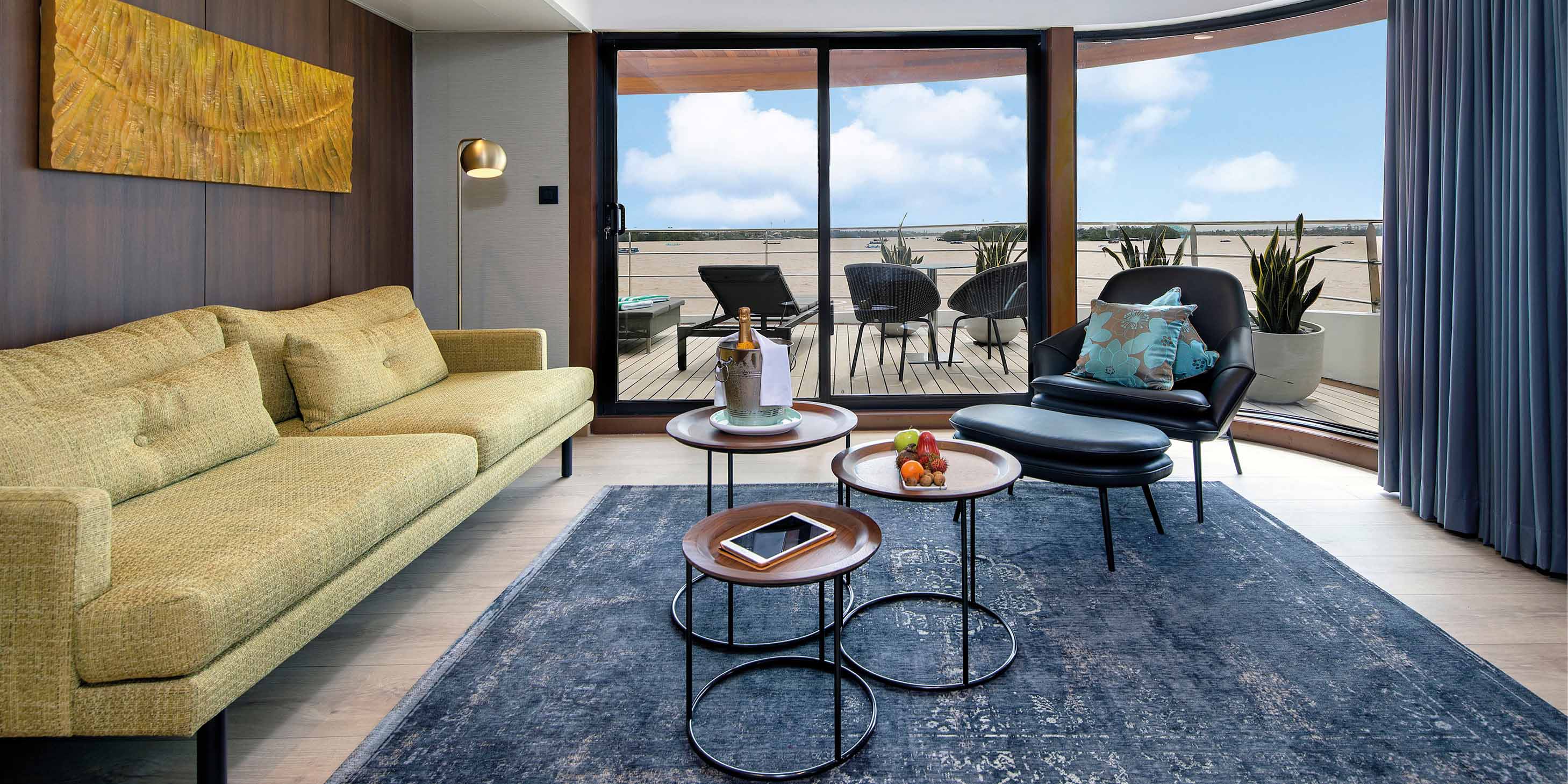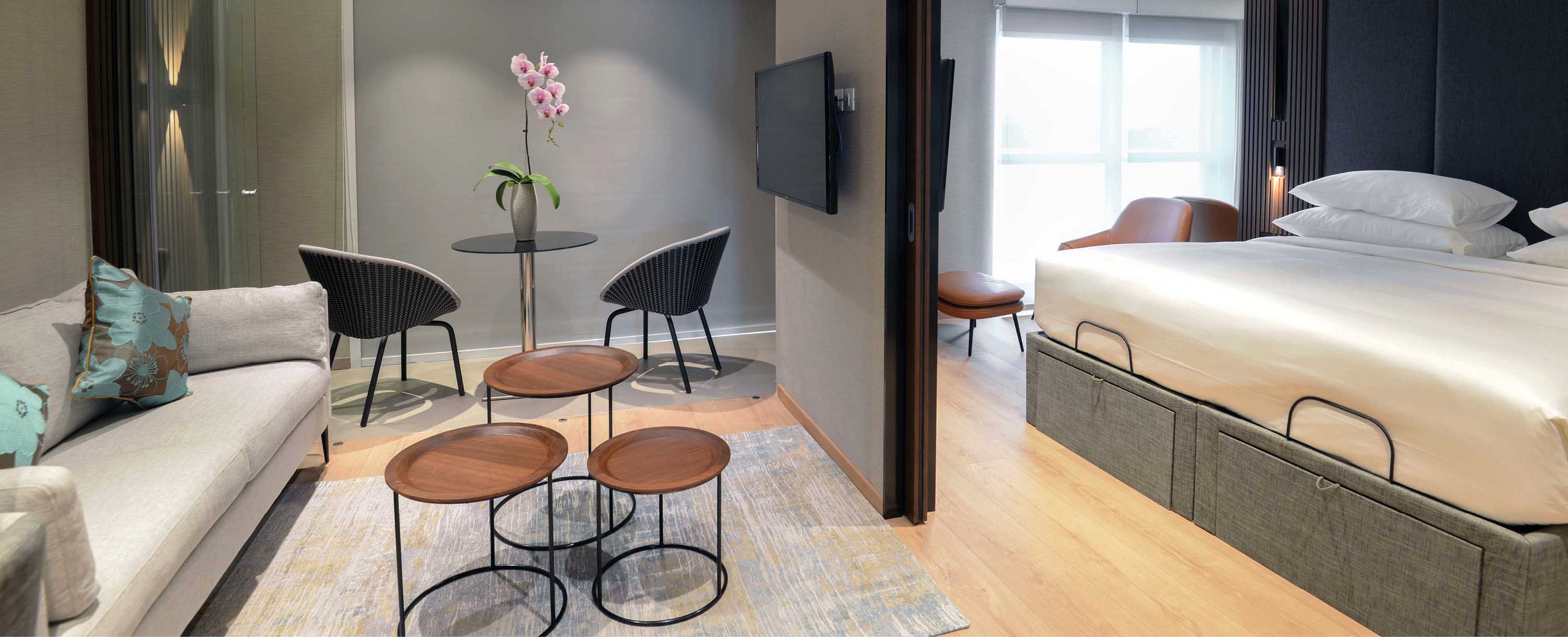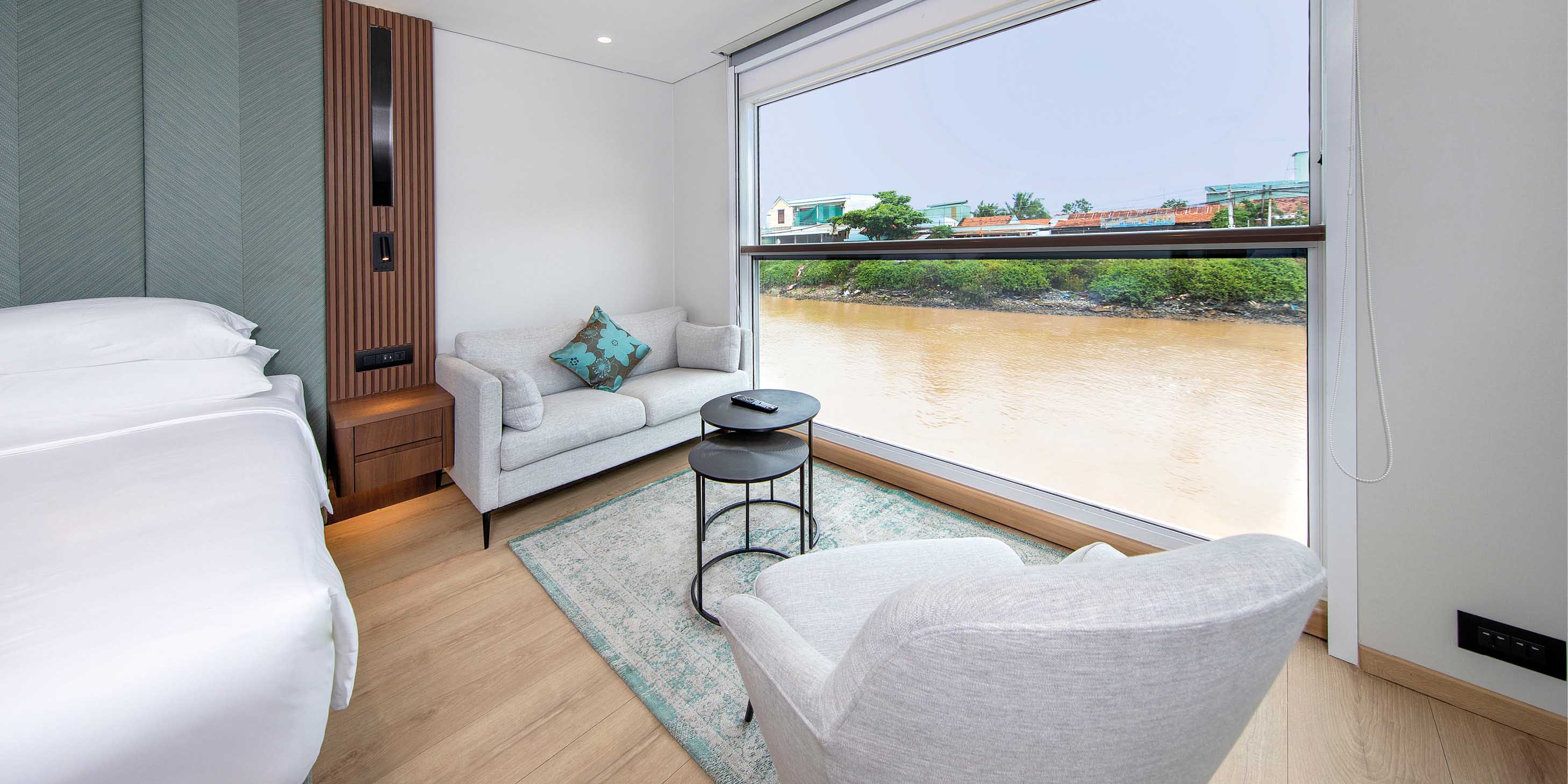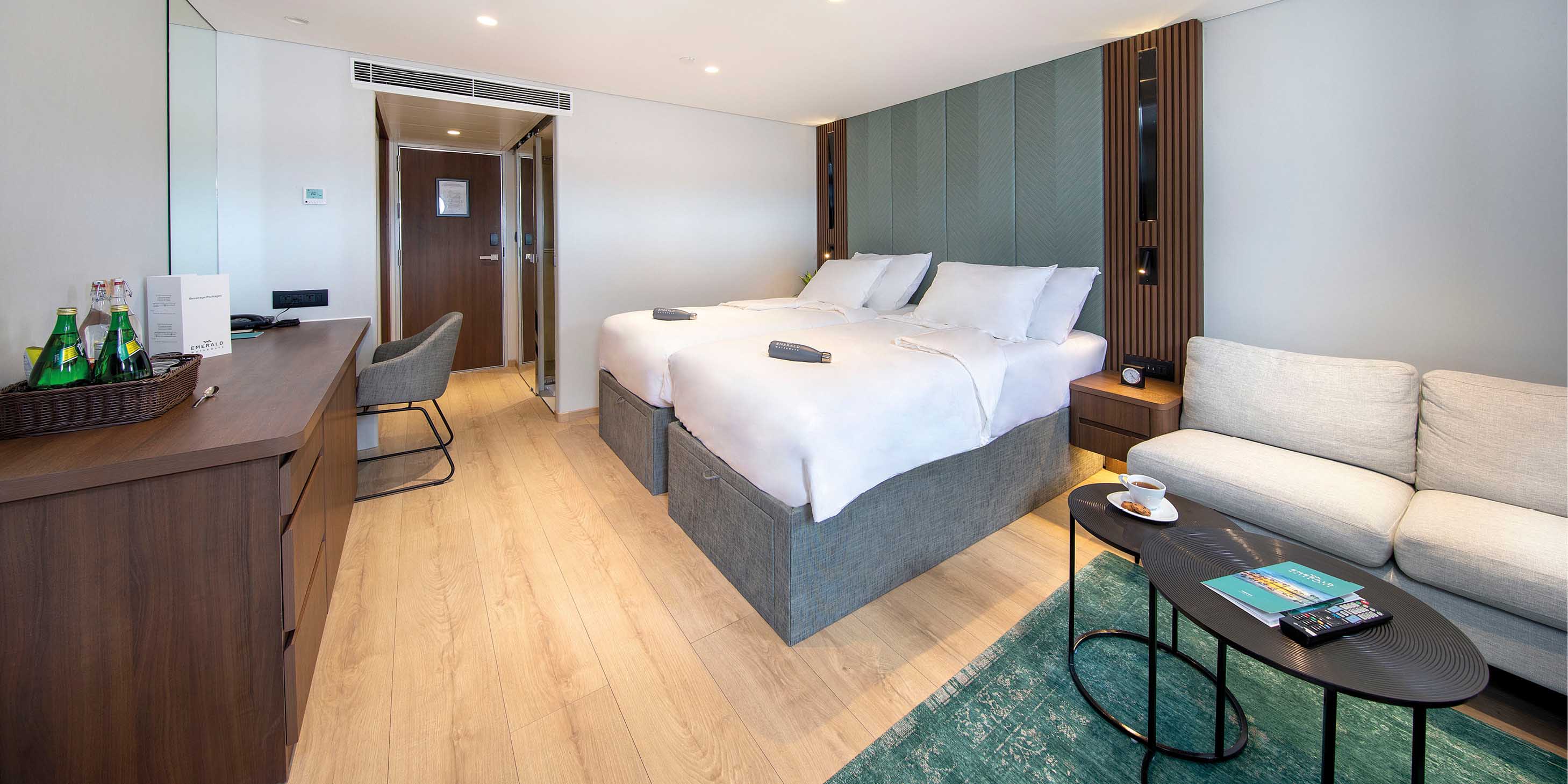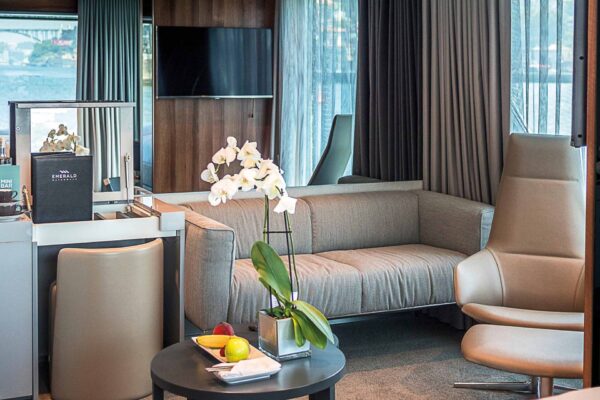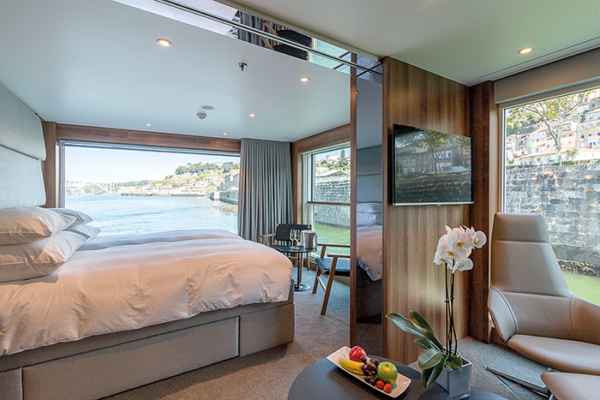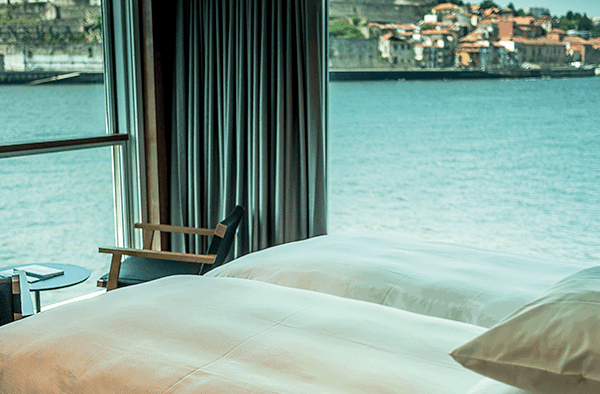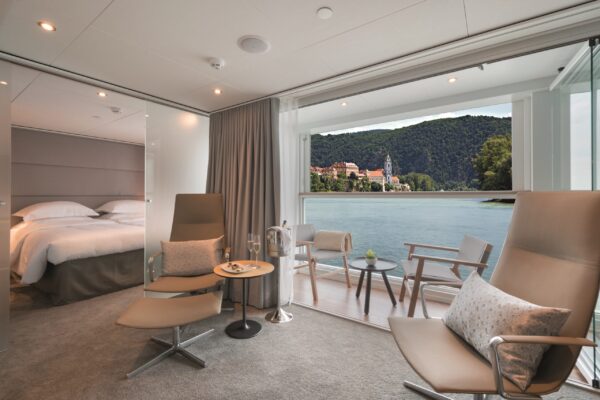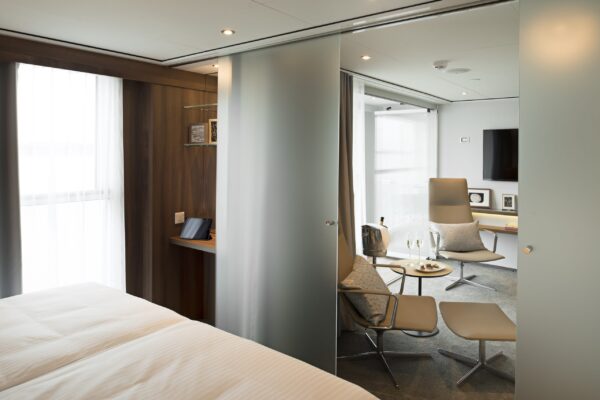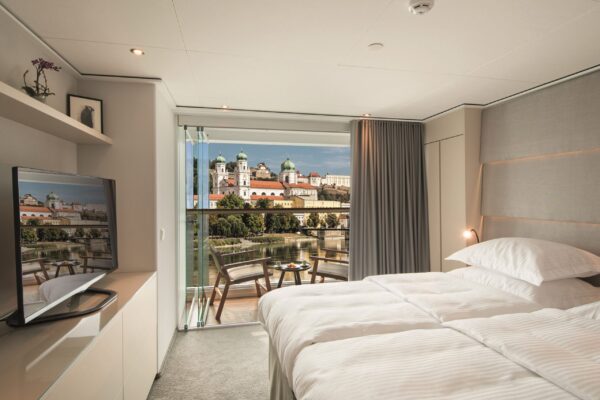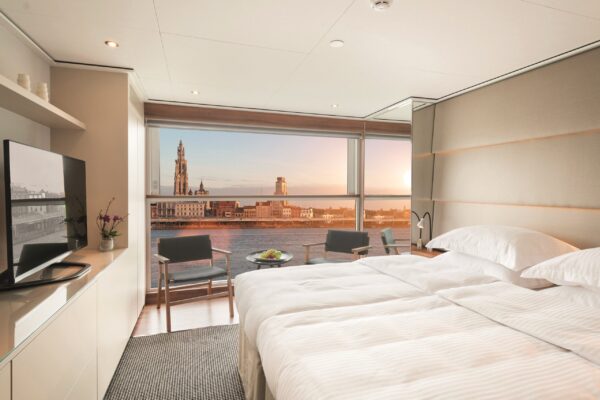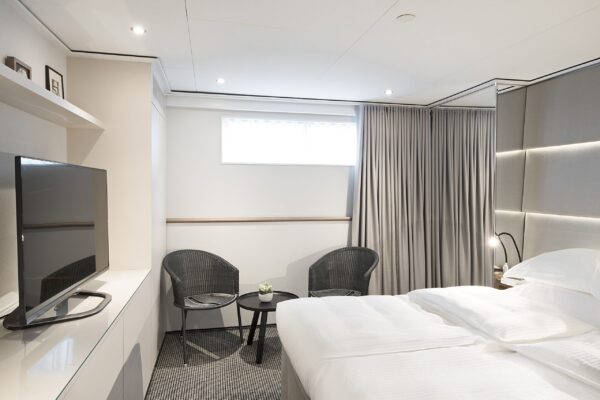

With a large ocean-view window and luxurious inclusions including Egyptian cotton bed linen and ESPA toiletries, this entry level stateroom will exceed expectations at every turn. Get ready for superb comfort, open views and exceptional value.
Bohemia: A Land of Kingdoms, Culture, and Enduring Identity
The History of Bohemia
Bohemia, now largely forming the western portion of the modern Czech Republic, is one of Europe’s most historically rich and culturally layered regions. Surrounded by natural borders—the Sudeten Mountains to the north and west and the Bohemian Forest to the south—it developed as a distinct geographic and political entity long before the rise of modern nation-states.
The earliest known inhabitants of Bohemia were Celtic tribes, most notably the Boii, from whom the region derives its name. By the 1st century AD, Germanic tribes had moved into the area, followed by Slavic peoples in the 6th century. These Slavic settlers laid the foundations of the Bohemian identity, establishing early tribal structures that would evolve into a medieval state.
By the 9th century, Bohemia became part of the Great Moravian Empire, one of the first major Slavic states in Central Europe. After its collapse, the Přemyslid dynasty emerged as the ruling power, consolidating control over Bohemia and establishing it as a duchy within the Holy Roman Empire. In 1212, the Golden Bull of Sicily granted Bohemia hereditary royal status, elevating it to a kingdom and solidifying its autonomy within the empire.
The medieval Kingdom of Bohemia reached its peak under Charles IV in the 14th century. A visionary ruler, Charles IV transformed Prague into one of Europe’s leading cultural and political capitals. He founded Charles University in 1348—the oldest university in Central Europe—and commissioned architectural masterpieces that still define the city today.
The 15th century brought religious upheaval with the Hussite Wars, sparked by the reformist teachings of Jan Hus. These conflicts deeply shaped Bohemian society and foreshadowed the broader Protestant Reformation that would sweep across Europe. Bohemia became a center of religious dissent, intellectual debate, and cultural transformation.
In 1526, Bohemia came under the rule of the Habsburg monarchy, linking its fate with that of Austria and much of Central Europe. This period brought both prosperity and tension, culminating in the Defenestration of Prague in 1618, which ignited the Thirty Years’ War. The aftermath saw a reassertion of Catholic dominance and a decline in Bohemian political autonomy.
Bohemia remained part of the Habsburg Empire until the end of World War I, when it became a core region of the newly formed state of Czechoslovakia in 1918. Following the peaceful split of Czechoslovakia in 1993, Bohemia became a historical region within the modern Czech Republic, preserving its identity through its architecture, traditions, and enduring cultural legacy.
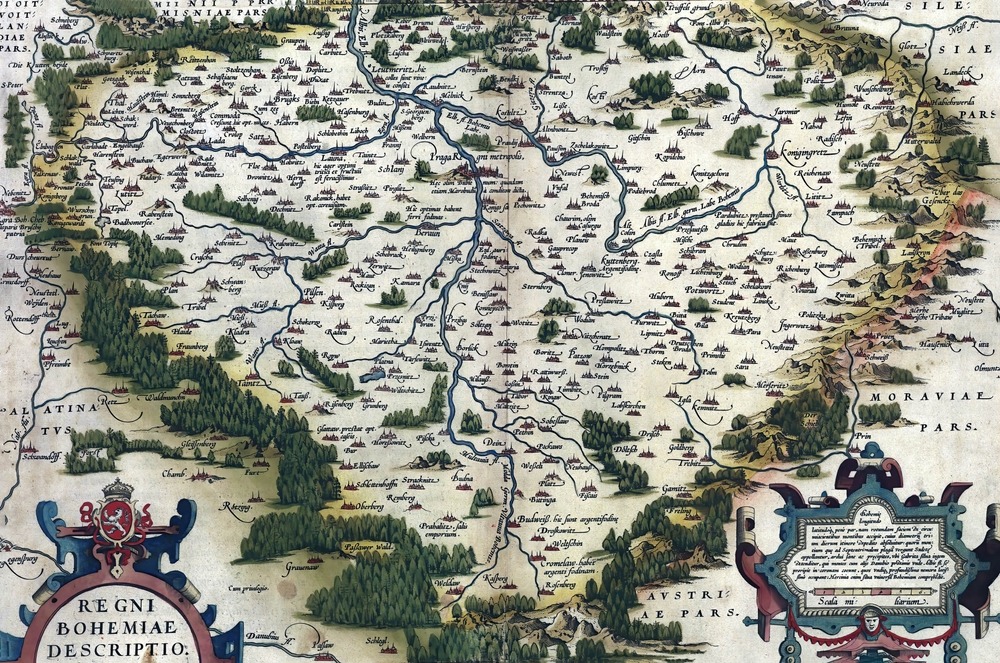 Major Cities of Bohemia
Bohemia is defined not only by its history but also by its remarkable cities, each offering a unique window into its past and present.
Prague
The historic capital of Bohemia and one of Europe’s most beautiful cities, Prague is a living museum of Gothic, Baroque, Renaissance, and Art Nouveau architecture. Its Old Town, castle complex, bridges, churches, and palaces reflect centuries of political and cultural influence, making it the symbolic heart of Bohemian history.
Plzeň
Known worldwide as the birthplace of Pilsner beer, Plzeň is both an industrial and cultural center of western Bohemia. Its grand central square, historic cathedral, synagogue, and brewing traditions reveal a city shaped by commerce, craftsmanship, and innovation.
Český Krumlov
A UNESCO-listed town famed for its winding streets and stunning castle overlooking the Vltava River, Český Krumlov captures the essence of medieval and Renaissance Bohemia. Its compact old town, river bends, and preserved architecture make it one of the most atmospheric destinations in Central Europe.
Karlovy Vary
Karlovy Vary is an elegant spa town that has attracted European elites, artists, writers, and political figures for centuries. Known for its thermal springs, ornate colonnades, and colorful architecture, it represents Bohemia’s long association with healing, leisure, and refined culture.
Kutná Hora
Once one of the wealthiest silver mining towns in Europe, Kutná Hora played a central role in the economy of the medieval Kingdom of Bohemia. Its churches, mining heritage, and preserved urban landscape give visitors a powerful view into the wealth and ambition that shaped the region.
České Budějovice
České Budějovice is the historic capital of South Bohemia and a city known for its broad square, medieval street plan, and brewing traditions. Its position near the Vltava River helped make it an important commercial and administrative center.
Liberec
Liberec, located in northern Bohemia near the Jizera Mountains, is known for its textile history, mountain setting, and striking architecture. The city blends urban culture with access to some of Bohemia’s most scenic landscapes.
Hradec Králové
Hradec Králové is an important eastern Bohemian city with a history tied to royal dowries, trade, and modern urban planning. Its mix of medieval landmarks and early 20th-century architecture gives it a distinctive character among Bohemian cities.
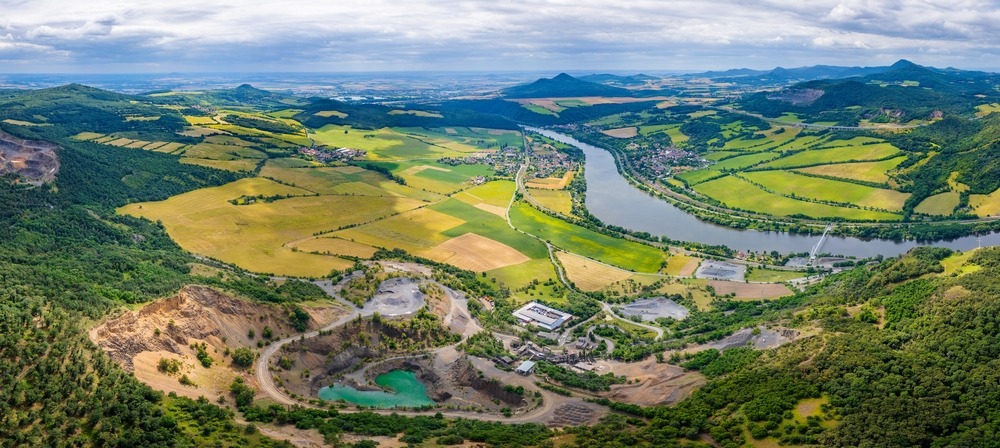
Top 25 Attractions in Bohemia
1. Prague Castle
Prague Castle is one of the largest castle complexes in the world and a defining symbol of Bohemian power. For centuries, it served as the seat of kings, emperors, presidents, and religious authorities, making it one of the most important political and cultural landmarks in Central Europe.
2. Charles Bridge
Charles Bridge is a 14th-century stone bridge connecting Prague’s Old Town and Lesser Town. Lined with statues and framed by Gothic towers, it remains one of the most iconic crossings in Europe and a masterpiece of medieval urban design.
3. Old Town Square in Prague
Old Town Square is the historic heart of Prague, surrounded by churches, merchant houses, palaces, and the famous Astronomical Clock. It reflects the city’s long history as a marketplace, civic center, and gathering place for major public events.
4. St. Vitus Cathedral
St. Vitus Cathedral stands within Prague Castle and is one of the greatest Gothic churches in Central Europe. It contains royal tombs, sacred chapels, stained glass, and architectural details that reflect centuries of Bohemian religious and artistic ambition.
5. Karlštejn Castle
Karlštejn Castle was built by Charles IV to protect royal treasures, imperial regalia, and sacred relics. Its dramatic hilltop setting and fortified design make it one of the most memorable castles in Bohemia.
6. Český Krumlov Castle
Český Krumlov Castle rises above a bend in the Vltava River and dominates one of Bohemia’s most beautiful historic towns. Its courtyards, gardens, painted tower, and theater preserve the atmosphere of Renaissance and Baroque aristocratic life.
7. Sedlec Ossuary
The Sedlec Ossuary near Kutná Hora is one of Bohemia’s most unusual sacred sites. Decorated with human bones, the chapel offers a striking meditation on mortality, faith, and the medieval relationship between death and salvation.
8. St. Barbara’s Church
St. Barbara’s Church in Kutná Hora is a masterpiece of late Gothic architecture and a monument to the town’s silver mining wealth. Dedicated to the patron saint of miners, it reflects both the spiritual and economic forces that shaped medieval Bohemia.
9. Karlovy Vary Colonnades
The colonnades of Karlovy Vary shelter the town’s famous thermal springs and form the architectural heart of the spa district. Visitors still stroll between springs, tasting mineral waters and experiencing a tradition of wellness that has lasted for centuries.
10. Pilsner Urquell Brewery
The Pilsner Urquell Brewery in Plzeň is the birthplace of the original Pilsner lager. Its brewing history transformed beer culture around the world and remains one of Bohemia’s most recognizable contributions to global food and drink.
11. Bohemian Switzerland National Park
Bohemian Switzerland National Park is known for dramatic sandstone formations, forested trails, deep gorges, and the famous Pravčická Gate. It offers one of the most scenic natural landscapes in northern Bohemia.
12. Konopiště Castle
Konopiště Castle is best known as the residence of Archduke Franz Ferdinand, whose assassination helped trigger World War I. The castle combines medieval origins with aristocratic collections, gardens, and interiors that reflect the late Habsburg era.
13. Hluboká Castle
Hluboká Castle is one of the most romantic castles in the Czech Republic, with a white Neo-Gothic appearance inspired by Windsor Castle. Its interiors, grounds, and river setting make it a highlight of South Bohemia.
14. Telč Historic Centre
The historic center of Telč is known for its colorful Renaissance and Baroque houses lining a beautifully preserved town square. Though located on the traditional borderlands between Bohemia and Moravia, it is often included in broader cultural journeys through the Czech lands.
15. Karlovy Vary International Film Festival
The Karlovy Vary International Film Festival is one of Europe’s most prestigious film events. It brings global cinema, celebrities, critics, and travelers to one of Bohemia’s most elegant spa towns.
16. Vyšehrad
Vyšehrad is a historic fortress overlooking the Vltava River in Prague. Associated with Czech legends and national identity, it contains a basilica, cemetery, fortifications, and sweeping views of the city.
17. Prague Jewish Quarter
Prague’s Jewish Quarter, known as Josefov, preserves synagogues, a historic cemetery, and museum collections that tell the story of one of Europe’s most important Jewish communities. It is a deeply moving and historically essential part of Bohemia’s cultural landscape.
18. Terezín Memorial
The Terezín Memorial preserves the memory of the fortress town used by Nazi Germany as a ghetto and concentration camp during World War II. It is one of the most important Holocaust memorial sites in the Czech Republic.
19. Liberec Town Hall
Liberec Town Hall is a striking Neo-Renaissance building that reflects the city’s prosperity during the industrial era. Its tower, ornate façade, and central location make it one of northern Bohemia’s architectural landmarks.
20. Ještěd Tower
Ještěd Tower rises above Liberec on Ještěd Mountain and is one of the most distinctive modern landmarks in the Czech Republic. Its futuristic form functions as a hotel, television transmitter, and observation point.
21. Orlík Castle
Orlík Castle overlooks the Vltava River and the Orlík Reservoir, creating one of Bohemia’s most scenic castle settings. Its history is tied to noble families, river trade, and the changing landscape of South Bohemia.
22. Křivoklát Castle
Křivoklát Castle is one of the oldest and most important royal castles in Bohemia. Surrounded by forests, it served as a hunting residence, royal stronghold, and prison across different periods of Czech history.
23. České Budějovice Main Square
The main square of České Budějovice is one of the largest historic squares in Central Europe. Surrounded by arcaded buildings and anchored by the Samson Fountain, it reflects the planned grandeur of a medieval royal city.
24. Zvíkov Castle
Zvíkov Castle stands at the meeting point of the Vltava and Otava rivers. Its strategic location, medieval architecture, and dramatic setting made it one of the most important fortresses in South Bohemia.
25. Lipno Lake
Lipno Lake is one of South Bohemia’s most popular outdoor destinations. Its shoreline, cycling routes, water activities, and surrounding forests make it a favorite place for relaxation and recreation.
Bohemia as a Living Cultural Landscape
Bohemia remains a region where history is not confined to museums but woven into every street, castle, church, river valley, and mountain landscape. From the imperial grandeur of Prague to the spa elegance of Karlovy Vary, the medieval beauty of Český Krumlov, and the natural drama of Bohemian Switzerland, the region offers an extraordinary journey through centuries of European civilization.
Its cities reveal the rise and fall of kingdoms, the influence of emperors, the tensions of religious reform, the achievements of artists and architects, and the resilience of communities shaped by war, empire, and renewal. Today, Bohemia continues to stand as one of Central Europe’s most rewarding cultural destinations: rich, layered, beautiful, and endlessly compelling.
Bohemia: A Land of Kingdoms, Culture, and Enduring Identity
Prague
Czech Republic