The Return of the Floreana Giant Tortoise: How 158 Endangered Tortoises Came Home in the Galápagos
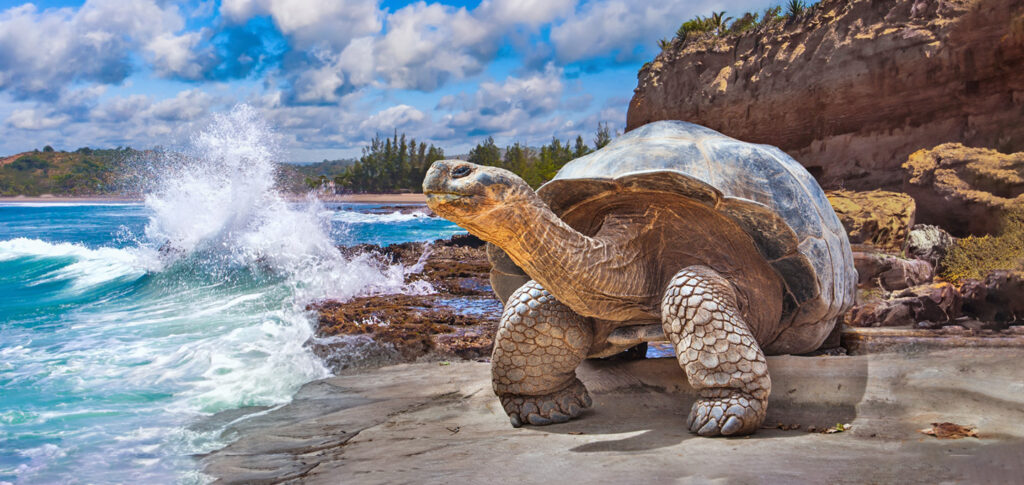
For the first time in more than 180 years, giant tortoises are once again walking across the landscapes of Floreana Island in the Galápagos. In February 2026, conservation teams released 158 juvenile giant tortoises of Floreana lineage into their ancestral habitat, marking one of the most significant ecological restoration milestones in the modern history of the archipelago. The release was not simply the return of a single endangered animal. It was the revival of a lost ecological role, the result of decades of genetics, captive breeding, invasive species control, community involvement, and long-term planning by the Galápagos National Park Directorate and its conservation partners.
The Floreana giant tortoise, known scientifically as Chelonoidis niger niger, disappeared from its native island in the 19th century. Whalers and other seafarers removed tortoises by the thousands because the animals could survive for long periods aboard ships, making them a tragic source of fresh meat during long voyages. By the time Charles Darwin visited Floreana in 1835, the tortoise population was already nearing collapse, and within a decade or two the island’s original giant tortoise was gone from the wild.
A Lost Lineage Found on Wolf Volcano
The most remarkable part of the Floreana tortoise story is that the lineage was not truly lost. It survived in an unexpected place: Wolf Volcano, on northern Isabela Island. Genetic studies conducted in the early 2000s found that some tortoises living there carried ancestry from Floreana. Their presence on Isabela is believed to be the result of historical whaling practices, when sailors moved tortoises between islands, left them behind before long voyages, or discarded them when ships needed to reduce weight.
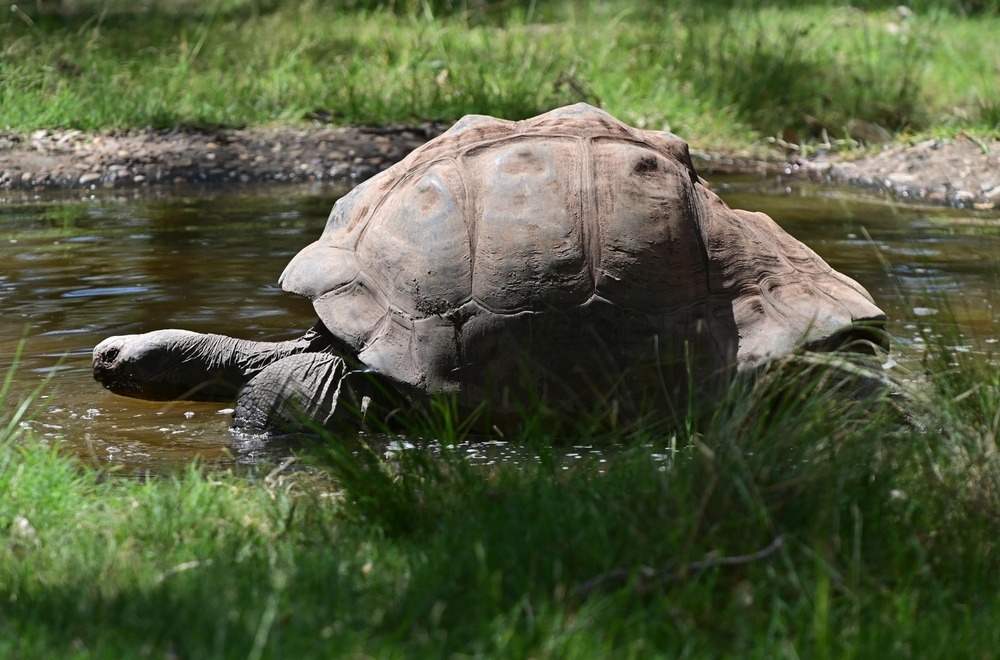
These tortoises were hybrids, not pure examples of the extinct Floreana form, but they carried enough of the original genetic legacy to make restoration possible. Surveys on Wolf Volcano in 2000 drew attention to saddleback-shelled tortoises, a shell shape unusual for the native Wolf Volcano population but consistent with tortoises from drier islands such as Floreana. Genetic testing confirmed that some of these animals contained Floreana ancestry, creating a rare conservation opportunity: a species thought extinct on its home island had left behind descendants that could help rebuild its ecological role.
The Santa Cruz Breeding Program
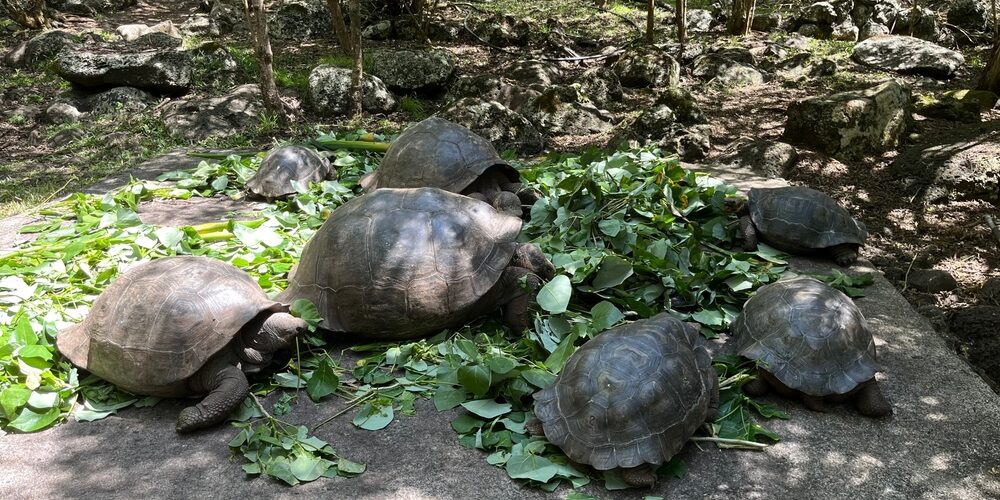
Once the Floreana ancestry was identified, conservationists began the long work of rebuilding a population that could eventually return to Floreana. Adult tortoises with partial Floreana ancestry were brought from Wolf Volcano to the Tortoise Center on Santa Cruz Island, joining other individuals already in captivity. In November 2015, a group of adult tortoises was transferred from Wolf Volcano to the Fausto Llerena Tortoise Center on Santa Cruz, where genetic analysis helped identify individuals with partial Floreana ancestry. Additional tortoises already at the center were also found to carry Floreana genetic heritage, allowing conservationists to establish a targeted breeding program.
The Fausto Llerena Tortoise Center on Santa Cruz is central to the broader history of Galápagos giant tortoise conservation. The center was originally established by the Charles Darwin Research Station in 1965 and later came under full management of the Galápagos National Park Directorate in 1998. It has been used to protect, incubate, raise, and eventually repatriate young tortoises to islands where populations had been devastated by hunting, invasive species, or reproductive failure.
For Floreana, the goal was not to recreate the past perfectly, because the original tortoise population had already disappeared. Instead, the breeding program sought to produce tortoises that were genetically as close as possible to the original Floreana lineage and capable of restoring the ecological functions that giant tortoises once performed on the island. The first released group consisted of juveniles old and large enough to survive in the wild, with reports describing them as roughly 8 to 14 years old. This reflected an important conservation principle: young tortoises are often raised in protected conditions until they reach a size and age associated with better post-release survival.
Why Floreana Needed Its Tortoises Back
Giant tortoises are more than symbolic animals in the Galápagos. They are ecosystem engineers. As they graze, trample vegetation, create wallows, and disperse seeds, they reshape the landscape in ways that benefit native plants, reptiles, birds, insects, and other wildlife. Their absence from Floreana for nearly two centuries changed the way the island functioned. Returning them is expected to help reopen habitats, move native seeds through the landscape, encourage natural regeneration, and restore ecological processes that had been interrupted since the 1800s.
This is why the release was described as the first of multiple native species reintroductions planned under the broader Floreana Ecological Restoration Project. The initiative is led by Ecuador’s Ministry of Environment and Mines through the Galápagos National Park Directorate and the Galápagos Biosecurity and Quarantine Agency, with support from conservation organizations including the Charles Darwin Foundation, Fundación Jocotoco, Island Conservation, and Galápagos Conservancy. The return of the tortoises is one piece of a larger effort to rebuild Floreana as a functioning island ecosystem.
Preparing the Island Before the Release
Floreana could not receive its tortoises again until the island itself was ready. Over the centuries, introduced mammals such as rats, cats, and goats damaged the island’s native wildlife and vegetation. Goats and other invasive herbivores had already been removed from Floreana, but the island’s landscape remained heavily altered. Later restoration work focused on reducing invasive predators and preparing the island for the return of species that had disappeared from the main island.
An invasive species eradication program beginning in 2023 removed most rats and feral cats from Floreana, helping clear the way for the tortoises’ return. This work has already produced visible ecological signs. The Galápagos rail, also known locally as the Pachay, was recorded on Floreana after not having been documented there since Darwin’s visit, while populations of ground finches, native geckos, lizards, and snails have shown signs of resurgence. These early signs suggest that removing invasive threats can give native species and habitats the chance to recover.
The Release of the 158 Juvenile Tortoises
The February 2026 release was timed to coincide with Floreana’s rainy season, when fresh vegetation and seasonal water sources would give the newly released tortoises a stronger start. Conservationists selected animals considered large enough to handle environmental pressures and strong enough to live outside the protected conditions of the breeding center. The release was intended as the first wave of a larger plan that could eventually introduce hundreds of tortoises to Floreana.
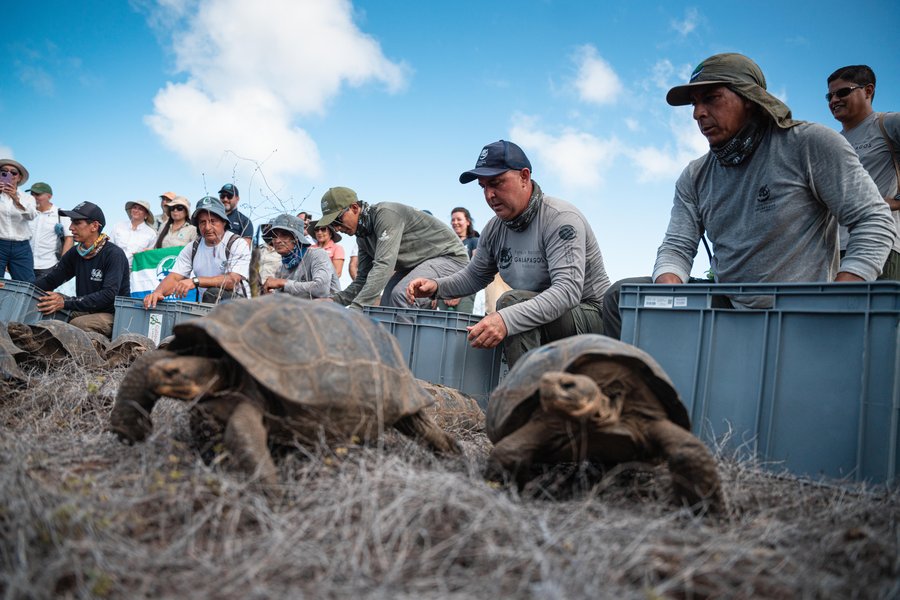
The event was historic not only because tortoises returned, but because it represented a rare conservation arc: a lineage thought extinct was rediscovered through genetics, raised through selective breeding, and returned to its ancestral landscape after generations of absence. The release marked the beginning of a new phase of rewilding for Floreana, one tied directly to the island’s community and long-term ecological health.
Floreana Island: A Place of Human History and Ecological Recovery
Floreana is one of the oldest islands in the Galápagos and one of the most historically complex. It has an area of about 173 square kilometers, a maximum altitude of 640 meters, and a small human population centered around Puerto Velasco Ibarra. The island is famous for Post Office Bay, where whalers established a barrel-based mail system in 1793, and for its early settlement history, including Patrick Watkins, Ecuadorian colonization in the 1830s, and later European settlers whose stories became part of Galápagos lore.
That human history is inseparable from the island’s ecological decline. Floreana was one of the first Galápagos islands to be heavily altered by people, livestock, invasive plants, and introduced predators. Many species disappeared from the main island, including the Floreana mockingbird, which now survives only on nearby satellite islets. Restoration work therefore has two connected goals: to rebuild Floreana as a functioning ecosystem and to help its small human community thrive alongside a recovering natural landscape.
Why the Tortoises Matter for Future Reintroductions
The reintroduced tortoises are expected to prepare the island for the return of other species. By opening vegetation, dispersing seeds, and creating microhabitats, they can improve conditions for birds, reptiles, invertebrates, and native plants. The broader Floreana restoration plan includes the return of species such as the Floreana mockingbird, the Floreana racer snake, the vegetarian finch, and the little vermilion flycatcher.
This makes the tortoise release both a restoration milestone and a foundation for future conservation. Tortoises are not being returned only because they once lived on Floreana. They are being returned because the island needs them to function more like the ecosystem that existed before whaling, colonization, invasive predators, and landscape disruption changed it. Their slow movement across Floreana represents the first visible step in a much larger ecological recovery.
A Conservation Story Generations in the Making
The return of the Floreana giant tortoise lineage was made possible by an unusual chain of events. Nineteenth-century sailors unintentionally preserved part of the lineage by moving tortoises away from Floreana. Scientists later recognized those genetic traces on Wolf Volcano. Conservationists transferred selected adults to Santa Cruz. The Galápagos National Park breeding program raised offspring for years. Restoration teams worked with the Floreana community to make the island safe enough for their return.
In the Galápagos, conservation often moves at the pace of the animals themselves: patiently, deliberately, and across decades rather than seasons. The 158 tortoises released on Floreana are still young, and the success of the project will depend on monitoring, survival, reproduction, habitat recovery, and continued invasive species control. Yet their arrival marks a profound turning point. After more than 180 years, Floreana is no longer an island without its giant tortoises. It is once again a place where one of the Galápagos’ most important animals can shape the future of the land beneath its feet.
What This Means for Travelers to the Galápagos
For travelers, the return of the Floreana giant tortoise is a rare opportunity to witness conservation history while it is still unfolding. The Galápagos has always been one of the world’s great natural classrooms, but Floreana now offers an especially powerful example of how science, protected lands, local communities, and long-term ecological planning can work together to revive native species. Visitors to the islands are not simply seeing wildlife in a beautiful setting; they are seeing the results of decades of careful restoration, from captive breeding on Santa Cruz to invasive species control on Floreana and the gradual return of animals that once seemed lost forever.
This makes a journey through the Galápagos even more meaningful. Each tortoise moving slowly through Floreana’s restored habitat represents more than survival; it represents the possibility of repairing ecological damage across generations. For tourists, the experience brings the story of conservation into view in a way that feels immediate and unforgettable. The islands’ volcanic landscapes, rare wildlife, and evolutionary history have long inspired travelers, but the reintroduction of these tortoises shows that the Galápagos is not only a place to observe nature’s past. It is also a place where visitors can see the future of conservation being shaped in real time.
Special Thanks to Carlos Espinosa