Martha’s Vineyard, Massachusetts: A Living Island of Maritime History and 25 Must-See Attractions
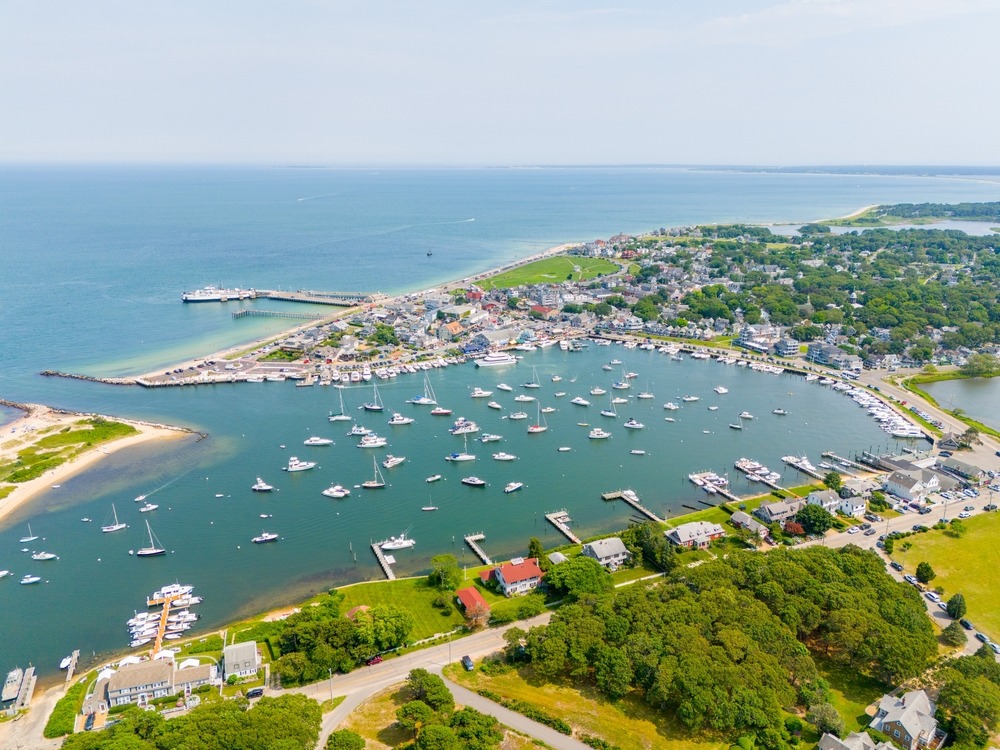
Located just south of Massachusetts in the Atlantic Ocean, Martha’s Vineyard has long balanced two identities: a working island shaped by Native American heritage, fishing, and whaling, and a celebrated summer retreat known for political figures, artists, and coastal elegance. Though often spoken of as a single destination, the Vineyard is composed of six distinct towns—each with its own history, character, and landmarks. To understand its attractions fully, one must first understand how the island evolved from Wampanoag homeland to whaling powerhouse to modern cultural enclave.
The History of Martha’s Vineyard
Wampanoag Roots and Early Settlement
Long before European contact, Martha’s Vineyard was home to the Wampanoag people, who called the island Noepe, meaning “land amid the streams.” Archaeological evidence shows centuries of settlement, with fishing, farming, and shellfishing forming the backbone of island life. Even today, the Aquinnah Wampanoag Tribe maintains a presence on the island, preserving traditions that predate colonial America.
In 1602, English explorer Bartholomew Gosnold landed on the island and named it after his daughter Martha and the wild grapes growing along the shoreline. Permanent English settlement followed in the mid-1600s, centered in what is now Edgartown.
Whaling, Maritime Trade, and 18th–19th Century Prosperity
By the 1700s and early 1800s, Martha’s Vineyard had become one of the most significant whaling centers in North America. Ports like Edgartown flourished, sending ships around the globe. Wealth from whaling financed grand sea captain homes that still line the harbor today.
As whaling declined in the mid-19th century, the island adapted. Fishing, shipbuilding, and agriculture sustained residents, but a new identity was forming.
The Rise of the Summer Colony
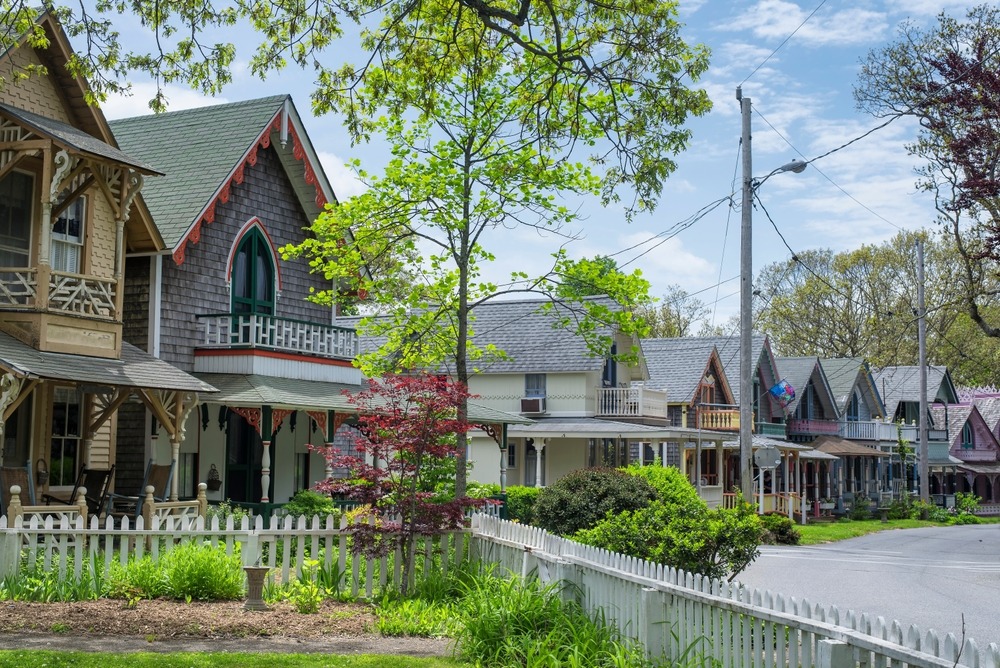
In the 1830s, Methodist camp meetings began in what would become Oak Bluffs. What started as religious revivals evolved into a Victorian summer community famous for its colorful gingerbread cottages. By the late 19th century, the island had transformed into a seasonal resort for affluent visitors from Boston and New York.
The 20th century cemented Martha’s Vineyard’s reputation as a retreat for artists, writers, and political leaders. Presidents such as John F. Kennedy and Barack Obama vacationed here, further elevating its national profile.
A Modern Island Balancing Heritage and Tourism
Today, Martha’s Vineyard carefully balances preservation with tourism. Strict development rules help maintain historic character, while ferry access from Cape Cod keeps the island connected but distinct. Each town—from historic Edgartown to the dramatic cliffs of Aquinnah—offers a different lens into the Vineyard’s past and present.
Top 25 Attractions on Martha’s Vineyard
1. Edgartown Harbor
A picturesque harbor lined with 19th-century sea captain homes, offering sailing excursions and waterfront dining.
2. Edgartown Lighthouse
One of the island’s most photographed landmarks, providing sweeping views of Vineyard Sound.
3. Oak Bluffs Gingerbread Cottages
The whimsical, pastel Victorian cottages at the historic campgrounds are a signature Vineyard image.
4. Flying Horses Carousel
Located in Oak Bluffs, this is the oldest operating carousel in the United States and a nostalgic centerpiece of the town.
5. Aquinnah Cliffs (Gay Head Cliffs)
Dramatic multicolored clay cliffs overlooking the Atlantic and home to one of the island’s iconic lighthouses.
6. Gay Head Lighthouse
A historic beacon offering panoramic views of the cliffs and ocean.
7. Vineyard Haven Harbor
The main ferry port and a lively maritime center filled with shops and waterfront views.
8. Martha’s Vineyard Museum
A comprehensive look at island history, including maritime artifacts and Wampanoag heritage.
9. South Beach (Katama Beach)
A wide Atlantic-facing beach popular for surfing and long shoreline walks.
10. Menemsha Harbor
A traditional fishing village known for sunset views and fresh seafood.
11. Lambert’s Cove Beach
A quieter north shore beach ideal for calm swimming and sunsets.
12. Chappaquiddick Island
Accessible by small ferry from Edgartown, offering untouched landscapes and peaceful beaches.
13. Mytoi Japanese Garden
A serene hidden gem on Chappaquiddick with ponds and winding paths.
14. State Beach
A scenic stretch between Oak Bluffs and Edgartown, popular for calm waters and views.
15. Polly Hill Arboretum
A botanical preserve showcasing rare trees and horticultural beauty.
16. West Chop Lighthouse
Located in Vineyard Haven, this lighthouse overlooks Vineyard Sound.
17. Manuel F. Correllus State Forest
The island’s largest protected woodland, perfect for biking and hiking.
18. Vineyard Playhouse
A respected performing arts venue hosting theatrical productions.
19. Chilmark General Store
A quintessential New England stop reflecting rural island character.
20. Aquinnah Cultural Center
A restored Wampanoag meetinghouse offering insight into Native history.
21. Ocean Park (Oak Bluffs)
A large open green space facing Nantucket Sound, ideal for strolls and events.
22. Cape Poge Wildlife Refuge
A protected barrier beach known for birdwatching and pristine dunes.
23. East Chop Lighthouse
A distinctive white lighthouse overlooking Oak Bluffs Harbor.
24. Long Point Wildlife Refuge
A nature preserve with trails and a freshwater pond near the ocean.
25. The Old Whaling Church (Edgartown)
A Greek Revival landmark symbolizing the island’s whaling prosperity.
Conclusion
Martha’s Vineyard is far more than a summer retreat. Its story stretches from Wampanoag stewardship to global maritime enterprise and onward to cultural prominence in modern America. The island’s preserved architecture, dramatic coastlines, lighthouses, and quiet harbors make it one of New England’s most layered destinations. Visitors who explore beyond the beaches discover a living museum of American coastal history—one that continues to evolve while honoring its past.
Martha’s Vineyard
Marthat's Vineyard,
Mass United States (US)