





These grand suites include a host of special features and services. Curl up in your lounge with a kindle e-book from your in-suite library and sip your favorite aperitif, personally delivered by your butler – all before enjoying an intimate dining experience, in the plush and private surroundings of your suite. Even from the comfort of your bedroom, you’ll never miss a photo opportunity – access the outside world through your drop-down balcony window, with the gentle touch of a button, and with your in-suite binoculars.
The Colosseum of Rome: Origins, Construction, Uses, and Global Impact
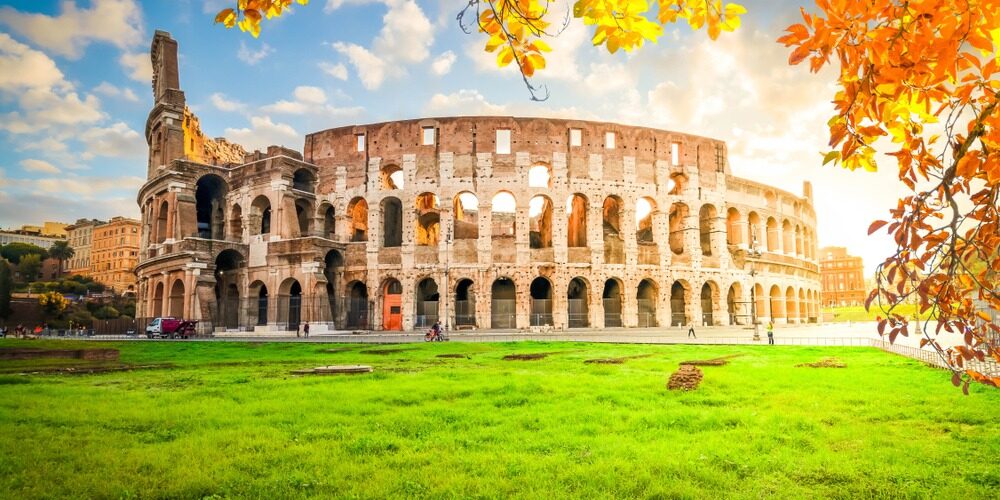
The Colosseum of Rome is one of the most recognizable monuments in the world, representing both the grandeur and contradictions of ancient civilization. It reveals stories of engineering brilliance, political power, entertainment culture, and the evolution of public values across nearly two thousand years. Its history begins long before its stones were set in place, on land shaped by an emperor’s ambition and later reclaimed by the people of Rome.
What Originally Stood on the Land
Before the Colosseum existed, the area was part of a luxurious and controversial imperial estate. Following the Great Fire of Rome in 64 CE, Emperor Nero appropriated vast urban land to build his private palace, the Domus Aurea, creating a landscape of pavilions, gardens, and lakes accessible only to the elite. The future site of the Colosseum was once an artificial lake at the center of Nero’s sanctuary.
After Nero’s death, the Flavian emperors sought to distance themselves from his excesses. Vespasian drained the lake and announced that in its place would rise a massive public amphitheater. This was as much a political gesture as a construction project, symbolizing the return of stolen space to the Roman people.
- An artificial lake once filled the site
- The land belonged to Nero’s Domus Aurea
- Vespasian reclaimed it for public use
- The transformation carried deliberate political symbolism
How the Colosseum Was Built
The Colosseum was constructed during the Flavian Dynasty, with work beginning under Emperor Vespasian around 70–72 CE. It was inaugurated in 80 CE under Titus, and additional structures were completed during the reign of Domitian. Its official name, the Flavian Amphitheater, comes from this ruling family.

The building is an engineering masterpiece and reflects the advanced technologies of Roman architecture, including concrete vaulting, organized crowd flow, and modular design.
- Materials and Structure: Travertine stone for the exterior, brick and concrete for internal supports, and iron clamps holding stone blocks together without mortar
- Arches and Orders: The facade featured Doric, Ionic, and Corinthian half-columns stacked vertically
- Capacity: Approximately 50,000 to 70,000 spectators in tiered seating that reflected Roman social hierarchy
- Hypogeum: An underground network of tunnels, cages, and elevators beneath a wooden sand-covered arena floor
- Velarium: A massive retractable awning operated by trained sailors to shade the audience
- Entrances: Around 80 numbered arches enabled rapid entry and exit, showcasing sophisticated crowd management
The Colosseum’s construction demonstrates innovations in concrete technology, structural vaulting, radial corridor planning, and large-scale project management.
Ways the Colosseum Was Utilized
The Colosseum was not a single-purpose venue. It hosted a spectrum of public spectacles designed for entertainment, propaganda, and ritual. Events were often financed by emperors or wealthy politicians who used them to gain favor with the masses.
- Gladiatorial Games (Munera): Combat between trained warriors who fought for honor, survival, and spectacle; bouts ranged from duels to group battles
- Wild Beast Hunts (Venationes): Displays of hunters and exotic animals collected from across the empire, dramatizing Rome’s dominance over nature
- Public Executions: Dramatic punishments including execution by animals (damnatio ad bestias) or mythological reenactments involving real deaths
- Mock Naval Battles (Naumachiae): Early in its history, before the hypogeum was developed, the arena could be flooded for staged naval combat
- Ceremonial and Political Events: Celebrations of military victories, imperial anniversaries, religious spectacles, and periods of public generosity
- Later Medieval Uses: As gladiatorial culture declined, the building served as housing, a fortress, workshops, and a quarry for stone
Over the centuries, the Colosseum transitioned from a center of organized violence to a relic of spiritual reflection and historical memory.
Impact on Civilization as a Whole
The influence of the Colosseum extends far beyond exhibitions of ancient entertainment. It shaped architecture, politics, moral philosophy, and cultural identity across millennia.
- Architectural Legacy: Modern sports arenas still imitate the Colosseum’s tiered seating, sightlines, vomitoria (exit passages), and crowd control systems
- Political Symbolism: The Colosseum embodied imperial propaganda, demonstrating the emperor’s wealth, control, and ability to entertain and pacify the populace
- Moral and Religious Discourse: Christian writers condemned gladiatorial violence, and later the Colosseum became a symbol of martyrdom, reflection, and changing spiritual values
- Cultural Heritage: Now a UNESCO World Heritage site, it is one of the world’s most visited monuments and a global symbol of Rome itself
- Enduring Metaphor: The Colosseum remains a cautionary mirror for society, prompting reflection on spectacle, power, and public morality
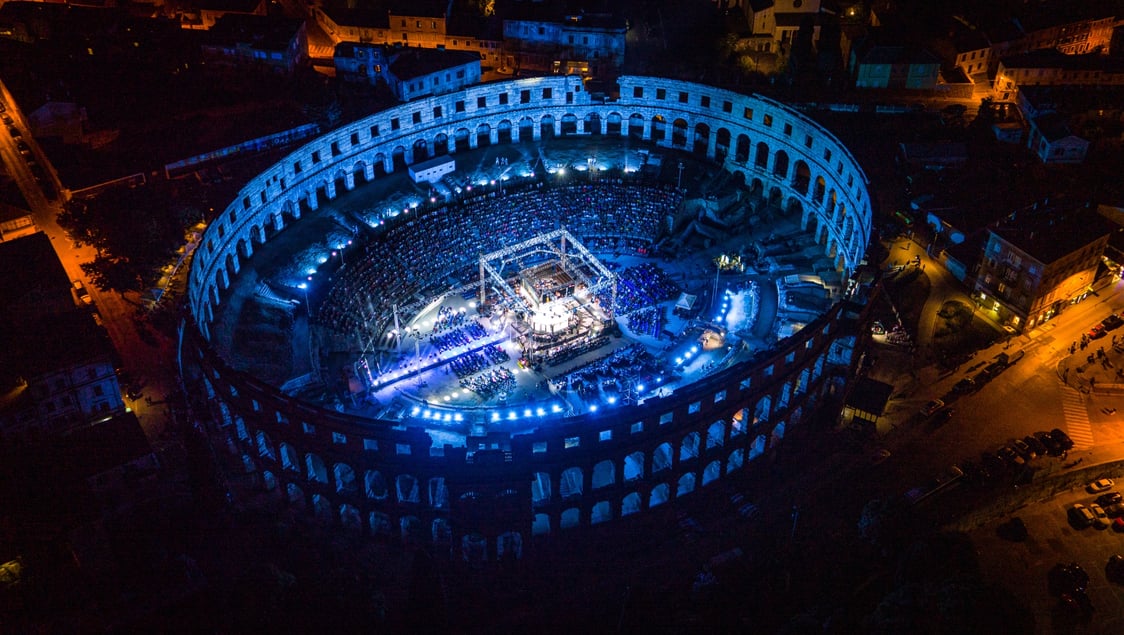
Today in Rome, the Colosseum stands not simply as a ruin but as a conversation across time. It embodies human ingenuity and brutality in equal measure: a towering testament to our ability to build, to organize, to entertain, and to question what we value. It continues to shape how we remember ancient Rome and how we understand ourselves.