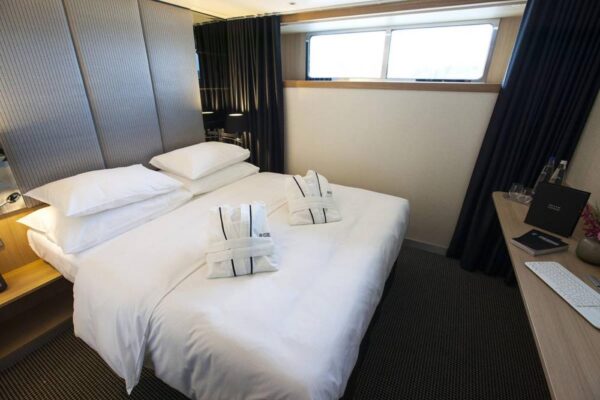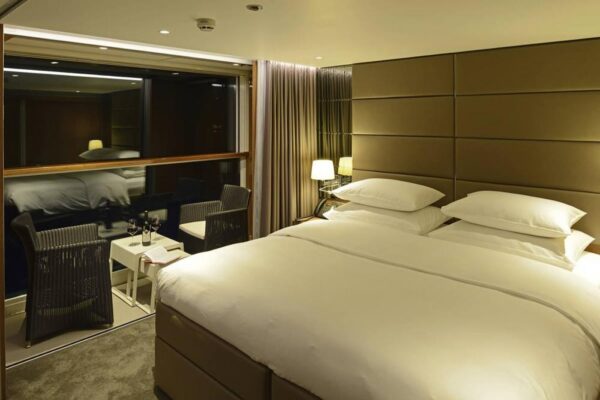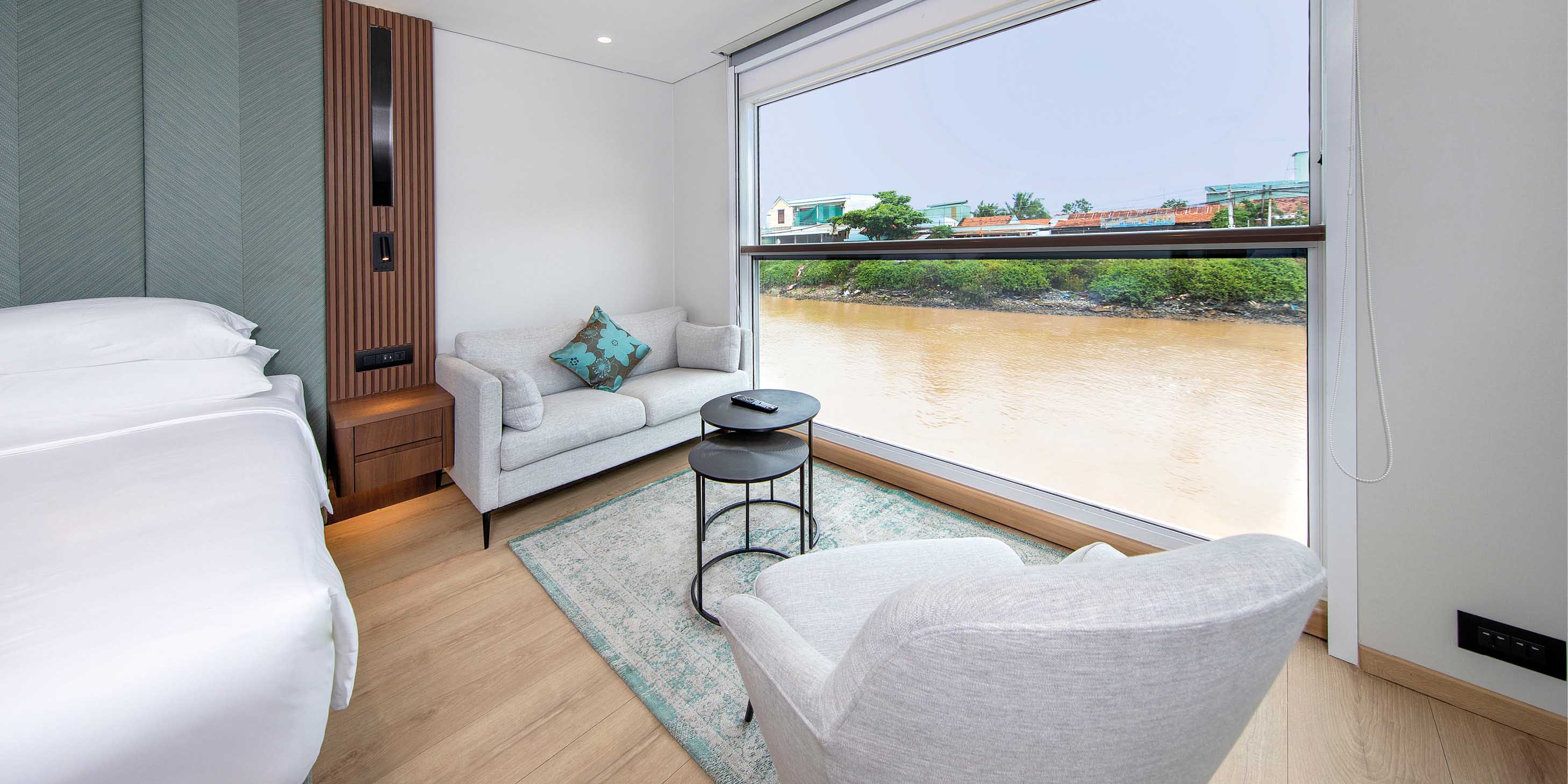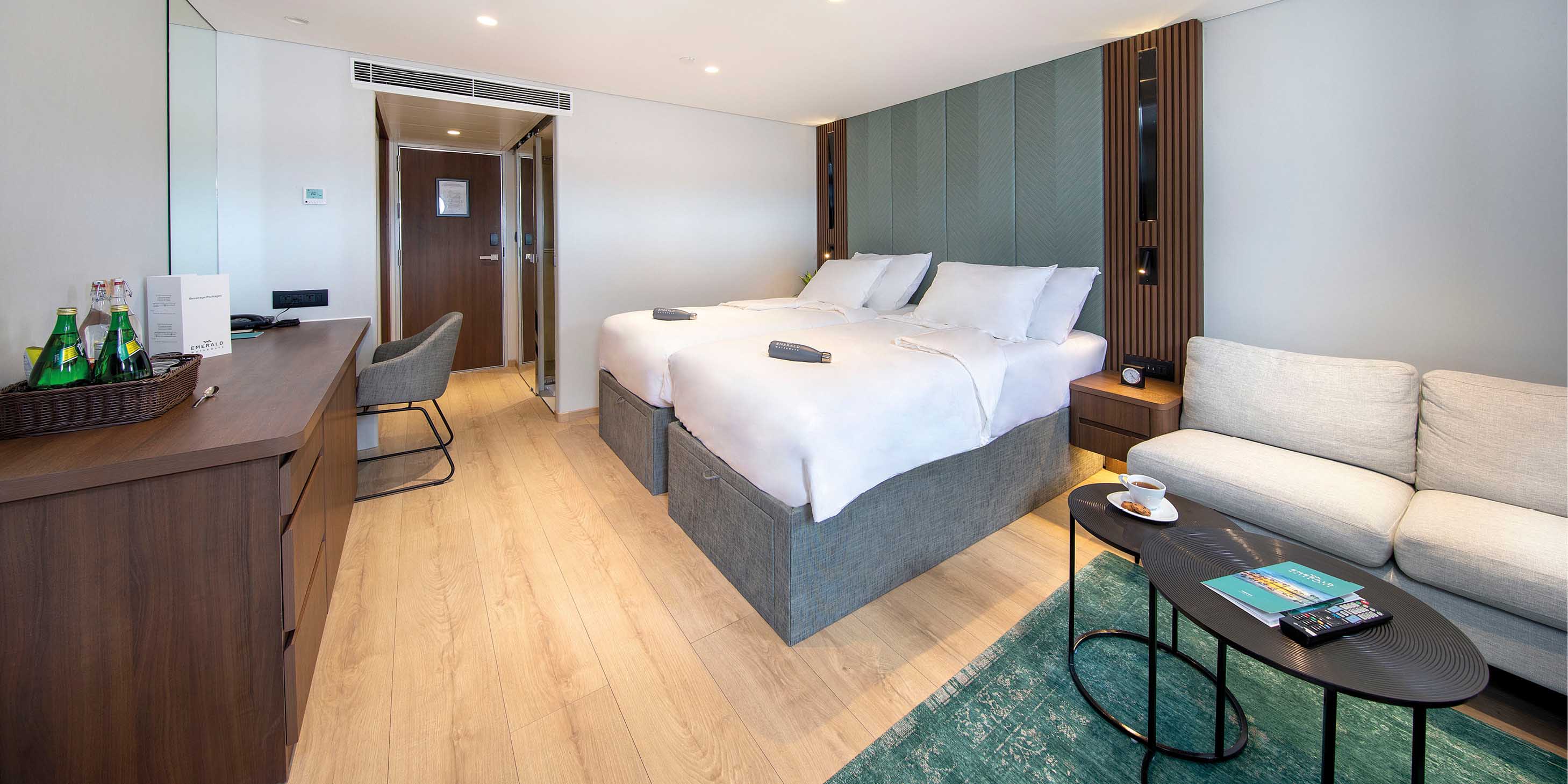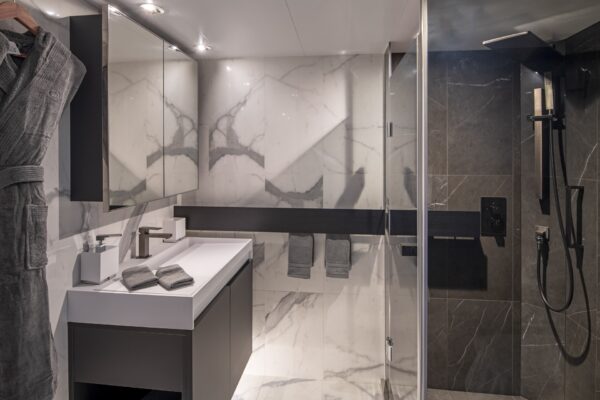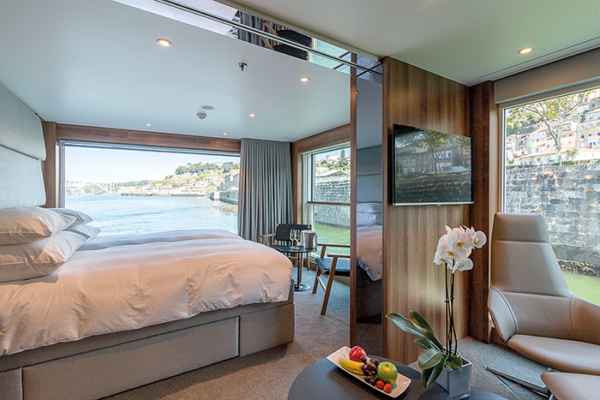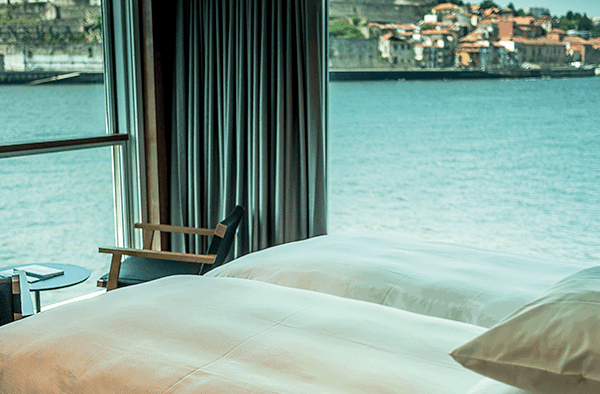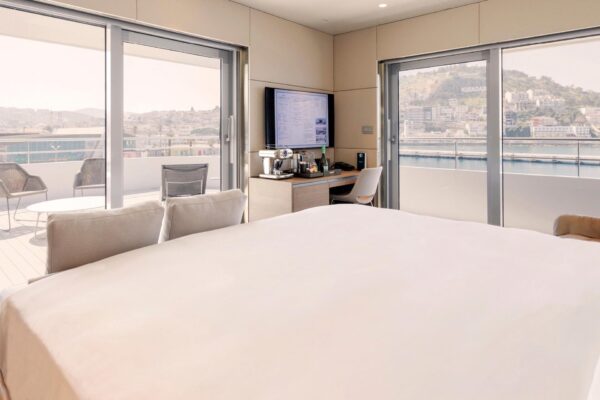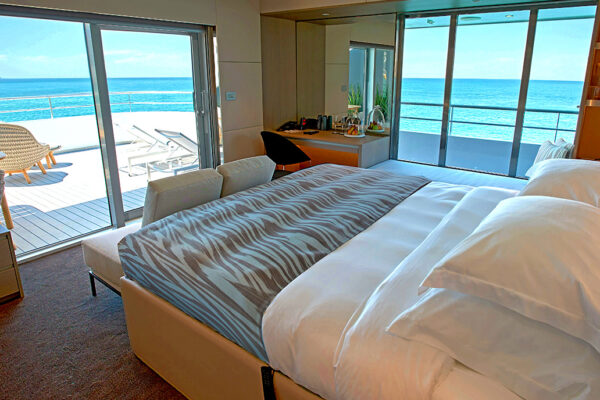


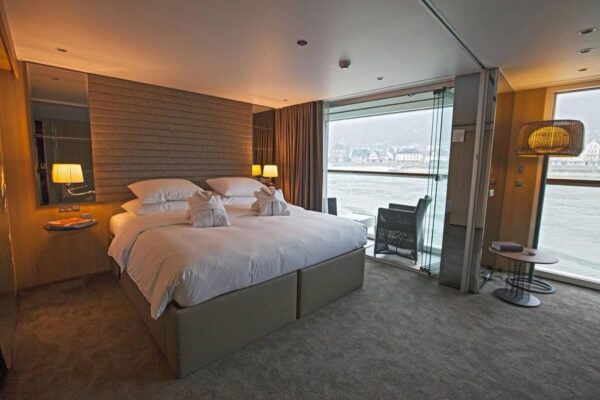
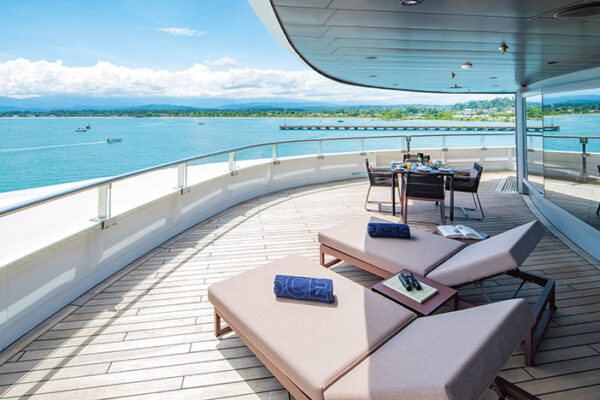

These grand suites include a host of special features and services. Curl up in your lounge with a kindle e-book from your in-suite library and sip your favorite aperitif, personally delivered by your butler – all before enjoying an intimate dining experience, in the plush and private surroundings of your suite. Even from the comfort of your bedroom, you’ll never miss a photo opportunity – access the outside world through your drop-down balcony window, with the gentle touch of a button, and with your in-suite binoculars.
Winterizing Your Home for Long-Term Travel
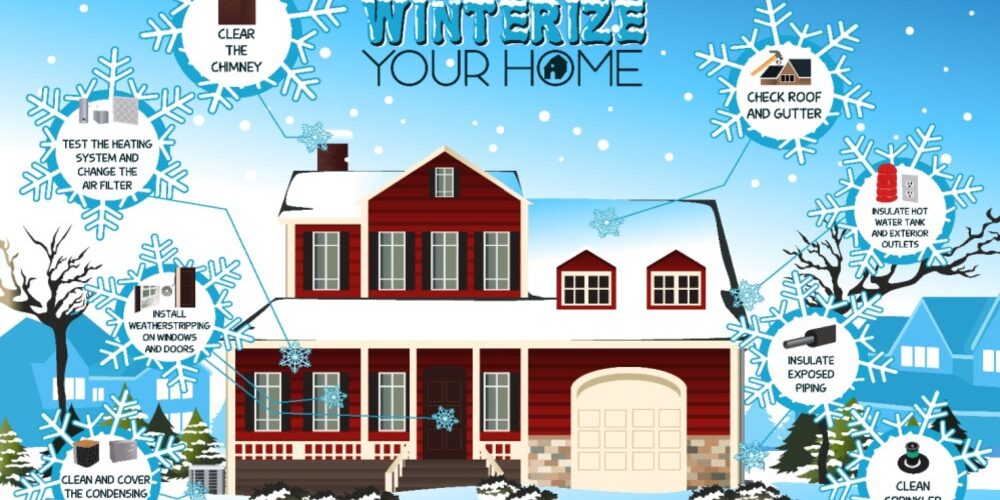
Preparing a home for winter is important, but it becomes absolutely essential when you plan to travel for an extended period of time. Cold weather, freezing temperatures, and unpredictable winter storms can cause serious and expensive damage if your home isn’t properly protected. From burst pipes to roof leaks, power outages to heating failures, a home left unattended without preparation can quickly turn into a costly repair project. Winterizing your house before long-term travel ensures that everything remains safe, efficient, and structurally sound until you return. The following guide provides a detailed overview of the steps homeowners should take before heading out of town for an extended trip during the winter months.
Securing Your Plumbing and Preventing Frozen Pipes
One of the most common and damaging winter issues is frozen pipes. When water freezes, it expands, which leads to cracks or bursting. A single burst pipe can flood an entire floor, causing thousands of dollars in repairs. Before traveling, homeowners should insulate exposed pipes in unheated areas like basements, attics, crawlspaces, and garages. If you plan to be gone for a long period, it’s wise to shut off the main water supply and drain the lines completely. Toilets, sinks, and outdoor spigots should be drained as well, and if your home uses a water heater with a tank, it may also need to be emptied to prevent freezing. Leaving faucets slightly open to allow a slow drip can further protect the plumbing if you choose to keep the water supply active.
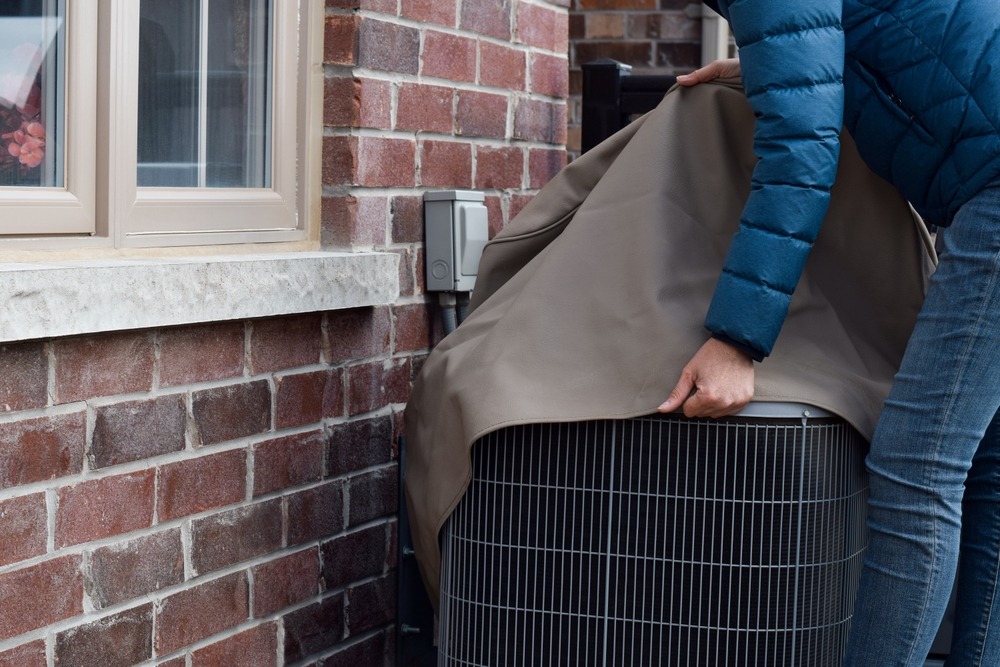
Setting Your Thermostat for Efficiency and Safety
Even when you’re not home, the indoor temperature should never drop too low. Maintaining a safe indoor temperature protects your pipes, walls, floors, and foundation from freezing conditions. A programmable thermostat should be set to a minimum of 55°F to 60°F, depending on your climate. Smart thermostats are especially beneficial for long-term travel because you can monitor and adjust the temperature remotely. They can also send alerts if temperatures drop unexpectedly, giving you time to call a neighbor or maintenance professional before any damage occurs. Ensuring you replace the batteries on all thermostatic devices before traveling prevents failures while you’re away.
Preparing Your Heating System
Your furnace or boiler plays a major role in protecting your home throughout the winter. Before traveling, schedule a heating system tune-up to make sure everything is functioning efficiently and safely. A maintenance technician will check the heat exchanger, blower motor, electrical components, filters, and safety controls. Clean systems operate better and reduce the risk of breakdowns. It’s also recommended to replace the furnace filter so it doesn’t clog while you’re gone. If you have a backup heating source—such as a pellet stove, electric heater, or fireplace—make sure it is properly shut down, cleaned, and left in a safe condition.
Protecting the Roof, Gutters, and Exterior
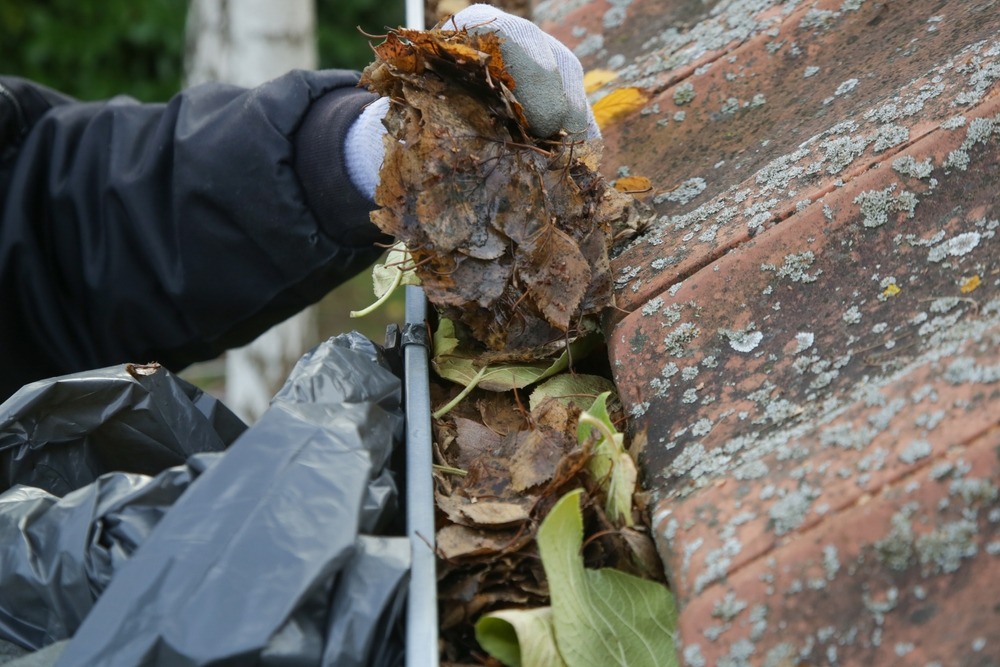
A strong roof is your home’s first line of defense during the winter months. Heavy snow, ice dams, and freezing rain create constant stress on the roofing system. Before leaving for long-term travel, homeowners should inspect the roof for loose shingles, damaged flashing, or worn-out seals. Gutters and downspouts must be cleared of leaves and debris to allow melting snow to flow freely. Blocked gutters often cause ice dams, which can force water beneath shingles and into attic spaces. Check exterior walls, siding, and foundation cracks for potential air leaks or water infiltration points. Sealing gaps can help reduce drafts and prevent moisture problems while the home sits unattended.
Managing Electrical and Energy Systems
Electrical issues can arise when a home is left unoccupied for weeks or months. Unplugging unnecessary appliances removes fire risks and saves energy. Surge protectors should be left in place for essential electronics such as routers, security cameras, or thermostats. If your home features a whole-house generator, test it to confirm it will automatically activate during a power outage. Backup power protects heating systems, sump pumps, and security devices from shutting down unexpectedly. Outdoor lighting, timers, and cameras should be checked for proper operation to deter break-ins during your absence.
Utilizing Smart Home and Security Technology
Modern smart home technology makes winterizing easier and safer. Remote monitoring allows you to check temperature, humidity, electricity usage, and even water leaks while away. Smart water shut-off valves can automatically cut off the supply if a leak is detected. Security systems with cameras, door sensors, and remote alerts create the appearance of an active household, reducing the risk of property crime. Light timers can mimic daily routines by switching lights on and off. For homes in suburban or rural areas, it may be wise to have a neighbor or professional service check in periodically, especially after heavy snowfall.
Preparing the Interior Before Departure
Inside the home, a thorough pre-travel checklist can prevent damage and ensure freshness upon your return. Remove perishable food from refrigerators and pantries to eliminate odors or spoilage. Clean appliances, empty trash cans, and unplug unnecessary devices. Leave interior doors open to allow warm air to circulate throughout the house. If you have houseplants, arrange care with a neighbor or consider using self-watering devices. Close fireplace flues, lock all windows, and tighten any loose entry points to keep drafts out. Finally, consider turning off your water heater or setting it to vacation mode to preserve energy.
Safeguarding Outdoor Areas and Landscaping
Winterizing extends beyond the walls of your home. Outdoor hoses should be disconnected and stored, and irrigation systems must be drained to avoid freezing damage. If you own outdoor structures—such as decks, pergolas, or sheds—check for gaps, rot, or areas where snow and ice can create problems. Snow removal arrangements should be made with a local service if you’ll be away for an extended period. A clear driveway not only protects your property but also makes it easier for emergency or maintenance personnel to access your home if needed. Winterizing garden tools, outdoor furniture, grills, and decorative items preserves their condition until warmer weather returns.
Final Walkthrough Before Leaving
A complete walkthrough of your home ensures everything is set and secure before long-term travel. Confirm that windows and doors are locked, pipe insulation is in place, thermostats are properly programmed, and all unnecessary devices are unplugged. Notify trusted neighbors of your travel dates, and leave contact information in case of emergencies. Check your sump pump, inspect your basement for moisture, and ensure your smoke and carbon monoxide detectors are working with fresh batteries. Once everything is reviewed, you can leave with the confidence that your home is prepared to handle winter weather in your absence.
Winterizing your home for long-term travel protects your investment from seasonal hazards while giving you freedom and peace of mind throughout your journey. Whether you’re leaving for a few days on a guided tour or for weeks on a river cruise or luxury yacht cruise, the steps above create a safe, energy-efficient environment that can withstand severe weather conditions. With proper planning, maintenance, and smart technology, your house will stay secure, warm, and ready for your return—no matter how harsh the winter becomes.