





These grand suites include a host of special features and services. Curl up in your lounge with a kindle e-book from your in-suite library and sip your favorite aperitif, personally delivered by your butler – all before enjoying an intimate dining experience, in the plush and private surroundings of your suite. Even from the comfort of your bedroom, you’ll never miss a photo opportunity – access the outside world through your drop-down balcony window, with the gentle touch of a button, and with your in-suite binoculars.
The Many Faces of St. Valentine: An Introduction to the Legends Behind Valentine’s Day
Valentine’s Day is widely celebrated as a holiday of romance, affection, and heartfelt devotion—but behind the modern traditions lies a far older and more complex story. The origins of the holiday stretch back to late antiquity, when Christianity was developing its early calendar of feast days and the Roman Empire was transitioning through turbulent centuries of political, cultural, and religious transformation. While many people assume there was only one St. Valentine, historical records reveal that at least three early Christian martyrs—each with different backgrounds and life stories—share the name and the date of February 14. Over time, their tales blended into the collective memory, creating the foundation on which today’s traditions were built.
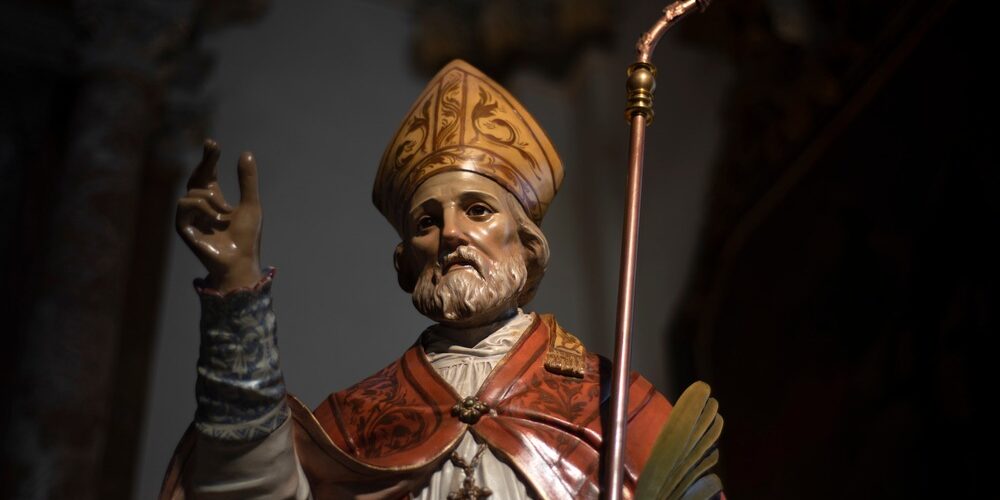
The first and most well-known figure is Valentine the Roman Priest, remembered for his compassion, his defiance of imperial decrees, and his deep commitment to the sanctity of Christian marriage. The second is Valentine, the Bishop of Interamna—modern-day Terni—whose pastoral leadership and miracles earned him reverence across central Italy. The third is a lesser-known but historically significant martyr from Roman Africa, whose mention in early martyrologies reveals just how widespread devotion to Christian witnesses had become during the empire’s formative centuries.
In the detailed blog posts that follow, you will discover the full stories behind each of these figures. The first explores the life and legend of the Roman priest, including the accounts of secret marriages, courageous defiance, and the origins of Valentine’s association with love. The second dives deep into the life of the Bishop of Interamna, focusing on his works, his miracles, and his enduring influence in Italy’s Umbrian region. The final post shines light on the African Valentine—a martyr often overlooked yet essential to understanding how early Christian communities across the Mediterranean upheld the memory of those who died for their faith. Together, these three stories form a tapestry of devotion, sacrifice, and enduring legacy that shaped one of the world’s most beloved holidays.
St. Valentine the Roman Priest: The Legend, the Martyr, and the Origins of a Holiday
Introduction: A Priest in a Changing Empire
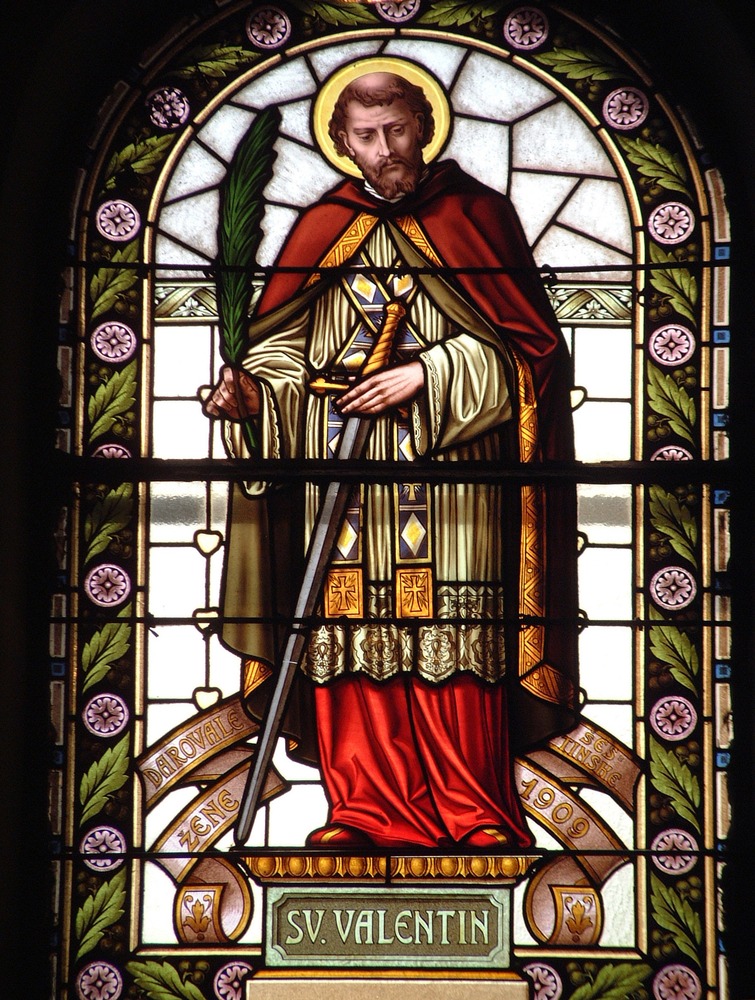
Among the three early Christian martyrs known as “St. Valentine,” the Roman priest stands as the figure most closely associated with the themes of love, courage, and faithful devotion. His story unfolds during the third century, a time when the Roman Empire was shifting between stability and crisis, and when Christianity was still illegal yet steadily growing among soldiers, merchants, and urban families. This Valentine served in Rome itself—the heart of the empire—offering pastoral care in a dangerous environment where persecution frequently surged. Over centuries, his name became intertwined with the customs of courtship and affection, making him the central figure behind the modern celebration of Valentine’s Day.
Rome in the Third Century: The Setting of His Ministry
The third century was marked by political instability, foreign invasions, economic tension, and shifting cultural identities within the empire. Emperors rose and fell at a rapid pace, and loyalty within the imperial army was vital to the survival of the state. During the reign of Emperor Claudius II Gothicus—often referred to as Claudius the Cruel—Rome was engaged in a series of military campaigns. Claudius, seeking to strengthen the ranks of his troops, reportedly discouraged marriage among young men, believing single soldiers fought with greater discipline and fewer distractions. Whether his edict was formal law or social pressure, Christian communities regarded it as yet another obstacle to the sanctity of marriage.
It was within this atmosphere that Valentine, a presbyter of the Roman church, continued his ministry. Unlike some bishops and priests who maintained low profiles during periods of persecution, Valentine became known for acts of compassion that challenged imperial preferences and championed Christian sacramental life.
The Legend of Secret Marriages
The most enduring tradition associated with Valentine the Roman Priest is his role in performing clandestine Christian marriages for young couples. According to early accounts and later medieval retellings, he believed deeply in the importance of sacramental marriage and refused to deny couples the blessings of union, even when Roman authorities attempted to limit such ceremonies. His willingness to officiate these rituals in defiance of expectations created a quiet network of romantic devotion within the city, turning Valentine into a symbol not only of religious courage but also of emotional fidelity.
Though historical evidence for this specific practice is sparse—much of the narrative grew in the centuries after his death—the tradition reflects the pastoral challenges faced by early clergy. Priests like Valentine navigated covert operations, moving between households, helping converts learn catechism in secret, blessing marriages at night, and tending to imprisoned Christians. Whether literal or symbolic, the story of these marriages represents a broader truth: Valentine championed love as a sacred bond at a time when instability and fear cast long shadows over Roman daily life.
Imprisonment and Trial
Valentine’s ministry drew the attention of Roman officials, and he was eventually arrested. Imprisoned for refusing to renounce Christianity and for acting against imperial expectations, he was questioned by local authorities before being brought before Emperor Claudius II himself. Various accounts describe their interaction, with some legends claiming Valentine attempted to convert the emperor, while others focus on Claudius’s admiration for his intelligence and resolve.
Despite any momentary respect Claudius may have felt, Valentine refused to sacrifice to the Roman gods, an act required as proof of loyalty to the state. His refusal placed him firmly among the ranks of Christian martyrs—individuals who accepted death rather than deny their faith. His trial reflects the complex dynamic between Roman authority and Christian conviction during a time when the church had not yet won imperial favor.
The Story of Valentine and the Jailer’s Daughter
One of the most beloved elements of Valentine’s story comes from medieval tradition: the account of his friendship with the daughter of his jailer, known in some sources as Asterius. She was said to be blind from birth. Valentine, moved by her gentleness and by the faith of her father, prayed for her healing. According to the narrative, her sight was miraculously restored. This event strengthened the faith of the entire household and further emphasized Valentine’s reputation as a man of compassion and spiritual power.
The story concludes with Valentine sending her a final note on the night before his execution, signed “from your Valentine.” Though this detail likely emerged centuries after his death, it is one of the reasons the holiday carries a tradition of exchanging affectionate messages. The tale expresses the universal themes of hope, kindness, and enduring human connection—key elements of the modern holiday.
His Martyrdom on February 14
Valentine was executed on February 14, likely around the year 269. He was buried along the Via Flaminia, one of Rome’s most important and historic roads, which connected the city to points north. Over time, a small chapel was erected near his burial place, testifying to the reverence early Christians held for him. His name soon appeared in the official Roman martyrology, and his feast day became widely recognized across Western Christendom.
As centuries passed, monasteries, churches, and cathedrals across Europe claimed relics associated with him, further amplifying devotion to his memory. The popularity of his feast day grew during the Middle Ages, especially in England and France, where February 14 became associated with courtship, poetry, and the early rites of spring.
Valentine’s Legacy and Association with Love
Valentine’s connection to romantic love is rooted in a combination of Christian devotion, medieval imagination, and cultural evolution. Poets like Geoffrey Chaucer helped establish February 14 as a day for expressing affection, linking the saint’s feast day with the natural world’s return to life as birds began choosing mates around the same time. The exchange of handwritten notes, poems, and tokens of love gradually became customary, ultimately shaping the Valentine’s Day tradition recognized today.
Yet at the heart of it all is the memory of a Roman priest who believed in compassion, faithfulness, and the dignity of human love. Whether performing secret marriages or offering spiritual comfort in the face of persecution, St. Valentine represents the enduring belief that love—romantic, spiritual, or selfless—stands as one of the most powerful expressions of humanity. His legacy continues to inspire devotion and celebration across the world each February.
St. Valentine of Interamna: The Bishop, the Miracle Worker, and the Martyr of Terni
Introduction: A Saint Rooted in Umbrian Tradition
While many people associate St. Valentine with romantic love and the customs of Valentine’s Day, the historical tapestry surrounding the name is far richer and more complex. One of the most significant early Christian figures to bear the name was Valentine, the Bishop of Interamna—modern-day Terni, located in the Italian region of Umbria. His story differs markedly from the Roman priest, though medieval writers later intertwined the two narratives. As bishop, Valentine served a Christian community at a time when the faith was still under threat, and his life is remembered for his pastoral leadership, reported miracles, and steadfast devotion in the face of persecution. His legacy remains deeply embedded in the city of Terni, where he is honored as the patron saint and symbolic protector.
Interamna in the Third Century: A City in Transition
Interamna Nahars, as the ancient city of Terni was known, lay along important trade routes between Rome and central Italy. In the third century it was a thriving urban center, home to craftsmen, merchants, and farmers who lived within the cultural orbit of the Roman Empire. As Christianity expanded beyond major metropolitan centers, Interamna developed into a growing Christian community with its own local clergy and emerging social networks of faith.
It was during this formative period that Valentine became bishop. His presence in Interamna reflects the early structure of the Christian church, which appointed bishops to shepherd regional communities, oversee worship, guide converts, and defend the faith during difficult political climates. As a bishop, Valentine would have been a central figure in both spiritual leadership and community organization.
The Pastoral Leadership of Bishop Valentine
Historical tradition describes Valentine as a compassionate and deeply committed shepherd of his flock. He was known for ministering to the poor, comforting the persecuted, and helping form a stable Christian identity in an era when public worship was still dangerous. Bishops of the third century often oversaw small but tightly connected groups of believers who relied on each other for mutual support. Valentine’s leadership would have been vital to keeping the community unified during times of uncertainty.
His responsibilities included teaching doctrine, performing baptisms, blessing marriages, caring for widows and orphans, and overseeing early forms of Christian charity. Though the surviving written accounts rely heavily on hagiographic tradition, they paint a picture of a bishop who was enthusiastic in service and admired by his congregation. His reputation as a holy man led to the development of numerous miracle stories associated with his ministry.
The Miracle Traditions of Valentine of Interamna
One of the defining elements of the Bishop of Interamna’s legend is the number of miracles attributed to him. Medieval sources record that Valentine was known to heal the sick, comfort those in suffering, and even restore health to individuals who had no other hope. Some accounts describe him curing children of life-threatening illnesses; others recount his ability to drive away spiritual darkness or bring peace to families in conflict.
One especially well-known tradition, rooted in Italian folklore, tells of Valentine curing the son of a local nobleman who suffered from a debilitating condition. The restoration of the boy’s health led the noble family to convert to Christianity, dramatically increasing the bishop’s influence in the region. Such stories echo the broader Christian emphasis on miracles as signs of divine grace and as catalysts for conversion during the early centuries of the church.
The Journey to Rome and His Arrest
Despite his regional authority, Valentine’s story eventually intersects with the political forces of the Roman Empire. According to tradition, he was summoned to Rome—possibly to debate matters of faith or defend his Christian practices before officials. While details of this journey vary across sources, the narrative consistently describes Valentine as a church leader whose activities drew imperial attention.
During his time in Rome, Valentine openly professed his Christian beliefs. This boldness was admirable among Christian communities but considered dangerous by Roman authorities wary of religious dissent. Refusing to renounce his faith or offer sacrifices to Roman gods, Valentine was arrested and placed in custody. His detention reflected the broader persecution of Christians during the third century, when the empire oscillated between tolerance and suppression depending on political needs.
Martyrdom of the Bishop
Valentine’s execution is believed to have taken place on February 14, the same date associated with the Roman priest. This overlap contributed to the later merging of their stories in popular devotion. The bishop was martyred along the Via Flaminia—an important Roman road that also features in the narrative of the Roman priest Valentine. This shared location suggests that both figures may have been buried in the same region, though at different times or under different circumstances.
His martyrdom marked the culmination of a life spent in service to the Christian faith. For early believers, he became a symbol of pastoral courage, doctrinal steadfastness, and unwavering devotion. His memory was preserved in local liturgical calendars and further developed through medieval storytelling.
Legacy in Terni and Devotion Through the Ages
The city of Terni remains the center of devotion to St. Valentine of Interamna. A basilica dedicated to him stands on the site associated with his burial, attracting pilgrims from across Italy and beyond. His feast day continues to be an important cultural and religious event in the region, marked by celebrations, processions, and blessings for couples and families.
In medieval Europe, especially in Italy, France, and England, Valentine of Interamna was sometimes identified as the same figure as the Roman priest. This blending occurred because both were named Valentine, both were remembered as martyrs, and both were said to have been executed on February 14. Over time, the dual traditions merged into one broad narrative of a saint linked with love, devotion, miracles, and steadfast faith.
The Bishop’s Connection to the Valentine’s Day Tradition
Although the bishop’s story is less tied to romantic customs than that of the Roman priest, his legacy nonetheless contributed to the feast day that inspires modern celebrations. The convergence of their stories in medieval literature, combined with the rise of courtly love traditions in Europe, helped solidify St. Valentine as a patron of affection and emotional bonds. His life of service, compassion, and pastoral care offered an ideal model of spiritual love, which later writers connected symbolically to the romantic customs emerging in their own eras.
Today, visitors to Terni celebrate Valentine not only as a historical bishop, but as a figure whose life embodied the virtues of charity, faith, and devoted leadership. His influence lives on through the traditions, legends, and collective memory that have shaped Valentine’s Day into a global expression of love and affection.
St. Valentine the Martyr of Africa: An Overlooked Witness of the Early Church
Introduction: A Saint Preserved in Memory, Not in Manuscript
Among the three early Christian martyrs who bear the name Valentine, the African Valentine is the most mysterious and least documented. Unlike the Roman priest or the Bishop of Interamna, whose stories developed across centuries of hagiography, the African Valentine appears only briefly in early Christian martyrologies. Yet his presence in these authoritative lists is significant: it demonstrates how widely the name and witness of Valentine were honored across the Mediterranean world. The African Valentine stands as a reminder that many saints of the early church left only faint traces in the historical record, yet their lives and sacrifices helped shape the spiritual identity of Christian communities from North Africa to Rome.
North Africa: A Center of Early Christian Strength
To understand the significance of this Valentine’s martyrdom, it is essential to recognize the role North Africa played in early Christian history. By the third century, the region—encompassing modern-day Tunisia, Algeria, Libya, and parts of Morocco—was one of the most vibrant centers of Christian intellectual, cultural, and theological life. It was home to Tertullian, Cyprian, Augustine, and countless unnamed lay Christians whose devotion helped Christianity spread rapidly through both urban and rural populations.
North Africa also experienced intense persecution, particularly during the reigns of emperors such as Septimius Severus, Decius, Valerian, and Diocletian. Countless believers were imprisoned, tortured, or executed for refusing to renounce their faith or offer sacrifices to the Roman gods. It was during one of these waves of persecution—precise records do not say which—that Valentine, the African martyr, met his death.
The Martyrologies and Their Significance
The primary evidence for the African Valentine’s existence comes from early martyrologies—liturgical lists of martyrs commemorated by local churches. These documents were not lengthy biographies; they were brief notices used for annual remembrance. The name “Valentinus” appears among African martyrs in several of the earliest surviving compilations, indicating that his feast day was recognized in local tradition.
This is meaningful for several reasons. First, the inclusion of his name demonstrates that his martyrdom was known and honored within a specific African Christian community. Second, the fact that his feast day shares the date of February 14 links him with the two other prominent Valentines, though not because of romantic tradition—rather because the church often clustered martyr commemorations by date. Third, the appearance of multiple Valentines in early lists shows that the name was common among Christians of that era, and that the stories later blended in the medieval imagination should not be confused with historical identity.
What Little We Know: A Martyr of Conviction
While no detailed passion narrative survives for Valentine of Africa, the context of African persecution provides a reliable framework for understanding what his martyrdom likely entailed. During targeted crackdowns, Christians were routinely questioned by Roman officials and ordered to sacrifice to the emperor or to the traditional Roman gods. Those who refused were imprisoned, tortured, or executed.
The African Valentine, listed clearly as a martyr, would have been one of these resolute believers. His refusal to abandon his faith would have aligned him with countless unnamed Christians whose courageous deaths testified to the strength of African Christian communities. His story—though not preserved in written legend—embodies the same fundamental truth recorded in the lives of early martyrs across the empire: fidelity to Christ was valued more than life itself.
The Role of African Christianity in Shaping Sainthood
North Africa produced not only theologians and bishops but also a multitude of martyrs whose devotion deeply influenced Christian liturgy and spirituality. The cult of the martyrs was especially strong in this region; families, neighbors, and congregations gathered annually at the tombs of martyrs to tell their stories, pray, and celebrate the Eucharist. Even after the rise of Islam in North Africa centuries later, the memory of early martyrs continued to shape Christian understanding of witness, sacrifice, and divine grace.
The African Valentine should therefore be understood as part of this broader landscape of devotion. Though his individual biography has been lost, his name endures as an emblem of the countless African Christians whose sacrifices strengthened the early church and whose memory was incorporated into the universal calendar of saints.
Why His Story Is Less Known
The limited information about the African Valentine reflects the historical realities of early Christian recordkeeping. Many martyr accounts were lost during invasions, political turmoil, and natural decay of manuscripts. Others may never have been written at all. Early Christian communities often preserved martyr stories orally, and only those with strong pilgrimage traditions or influential bishops nearby received written passions that survived into later centuries.
Because Valentine of Africa likely belonged to a more local or rural community, his story did not receive the same narrative development as the Roman priest or the bishop of Interamna. Yet his inclusion in the martyrologies shows that he was no less honored by his contemporaries.
Honoring a Quiet but Powerful Legacy
Although his story lacks the romantic imagery of the Roman priest or the miracle traditions of the bishop from Terni, the African Valentine remains a powerful symbol of early Christian faith. His memory reminds us that not all saints become legends, and not all martyrs leave detailed written records. Some are remembered simply by name and by the unwavering conviction they demonstrated at a defining moment of their lives.
In the larger celebration of Valentine’s Day—and in the broader study of Christian history—the African martyr’s story enriches our understanding of how diverse, widespread, and deeply rooted early Christian devotion truly was. His life, though largely hidden from historical view, reflects the courage of a believer whose faith transcended fear, whose sacrifice echoed across centuries, and whose name continues to be spoken in the liturgical tradition as a witness to steadfast commitment.
The Enduring Message of the Valentines
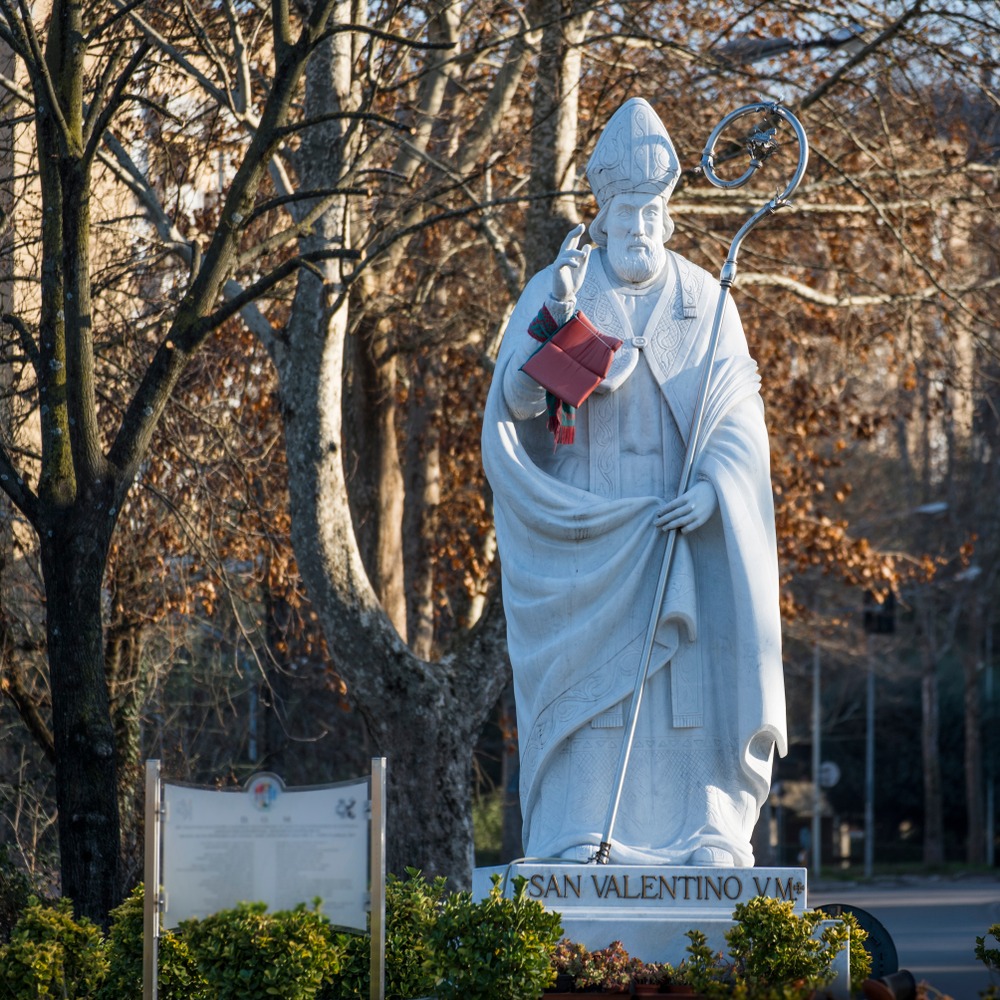
The modern celebration of Valentine’s Day—filled with letters, tokens of affection, and shared moments—owes its existence to this weaving of history and legend. Yet beneath the holiday’s commercial sparkle remains a deeper truth drawn from the stories of all three saints. Whether in the form of quiet pastoral leadership, defiant acts of courage, or anonymous martyrdom, each Valentine embodied a profound commitment to love in its many forms: love for community, love for faith, love for humanity, and love strong enough to withstand persecution.

Together, these three Saints Valentine offer a unified message that transcends time. They remind us that love—steadfast, sacrificial, and enduring—has always been one of humanity’s greatest forces. Their collective legacy enriches the history of Valentine’s Day and invites us to celebrate not only romantic affection but the broader and more powerful virtue of love that binds people, communities, and generations together.