History of Giurgiu, Romania
Giurgiu is a historic city located on the left bank of the Danube River in southern Romania, directly across from the Bulgarian city of Ruse and roughly 65 kilometers south of Bucharest. Its position along one of Europe’s most important river corridors has made it a strategic settlement for more than two millennia, serving at different times as a military outpost, trading port, and frontier gateway between Central Europe and the Balkans.
The region surrounding modern Giurgiu was inhabited in ancient times by the Dacians, whose powerful kingdom reached its height in the 1st century BC under King Burebista. Roman influence followed, and during the late Roman and early Byzantine periods, the Danube frontier was fortified to protect imperial borders. A settlement known as Theodorapolis, traditionally associated with Emperor Justinian in the 6th century, is believed to have stood near the river crossing, guarding movement along the Danube.
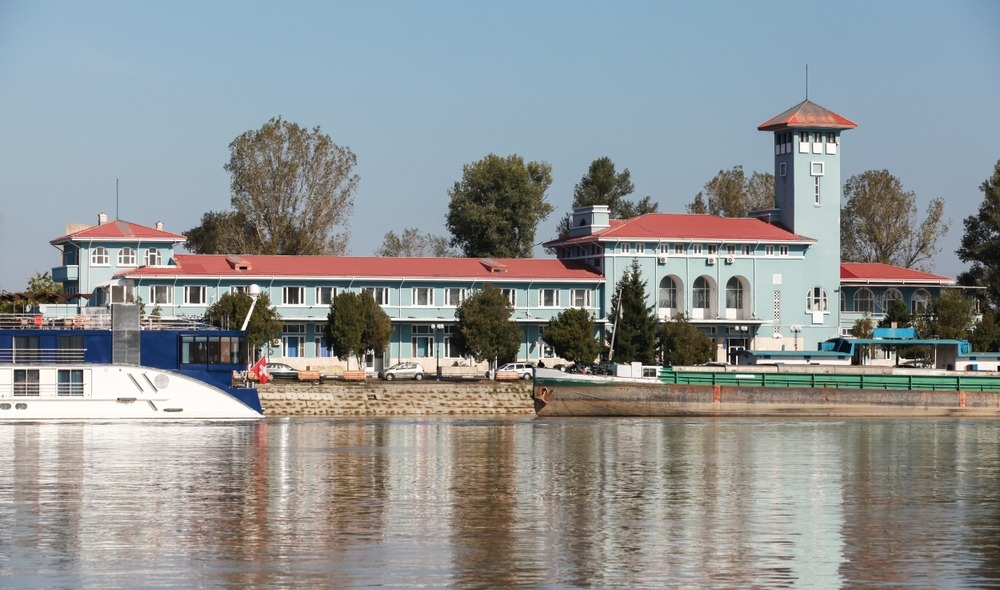
The medieval town of Giurgiu emerged more clearly in the 14th century. Many historians attribute its development to Genoese merchants who established Danube trading posts for commerce between the Black Sea and inland Europe. The town’s name is often linked to Saint George (San Giorgio), the patron saint of Genoa, though others argue it derives from an older Romanian form of the name George.
Giurgiu first appears definitively in written records in 1394, during the reign of Mircea the Elder of Wallachia, who recognized its importance as a fortified town on Wallachia’s southern border. In 1417, the Ottomans captured Giurgiu and transformed it into a major Danube stronghold. For centuries that followed, the town was repeatedly contested during conflicts between Wallachian rulers, the Ottoman Empire, and later Russian forces.
The city suffered significant destruction during the Russo–Turkish wars of the 18th and early 19th centuries but recovered as Ottoman control weakened. After the Treaty of Adrianople in 1829, Giurgiu began a new phase of modernization. Its port expanded rapidly, handling grain, timber, and livestock exports that connected Romania’s agricultural heartland to the Black Sea and Mediterranean markets.
During the 19th century, Giurgiu became a key link between Bucharest and the Danube through one of Romania’s earliest railway lines. Steamship traffic further integrated the city into international trade networks. In the 20th century, Giurgiu retained military and logistical importance during both World Wars, particularly because of its river crossings and port infrastructure.
Today, traces of this layered history remain visible in fortress ruins, historic churches, and civic buildings. Giurgiu’s past as a border town shaped by trade, warfare, and cultural exchange is inseparable from the story of the Danube itself.
Giurgiu Today: A Modern Danube City
Modern Giurgiu is the administrative center of Giurgiu County and functions as a regional hub for transport, agriculture, and cross-border exchange. The city covers a low-lying area of the Danube floodplain and combines urban neighborhoods with farmland, wetlands, and protected river islands. Its flat landscape and proximity to major waterways continue to influence both its economy and daily life.
Giurgiu experiences a temperate-continental climate, characterized by hot summers, cold winters, and moderate rainfall. The surrounding county supports extensive agriculture, including grain fields, sunflower crops, and vineyards, which remain central to the local economy.
The Danube dominates the city’s geography and identity. Riparian forests of willow and poplar line the riverbanks, while nearby wetlands provide habitats for birds, fish, and other wildlife. Protected natural areas such as Danube islands and the expansive Comana Nature Park contribute to the region’s ecological significance.
Economically, Giurgiu’s port remains vital, handling bulk cargo and supporting logistics connected to European transport corridors. The Friendship Bridge linking Giurgiu to Ruse, Bulgaria, carries both road and rail traffic and symbolizes the city’s ongoing role as a gateway between Romania and the Balkans.
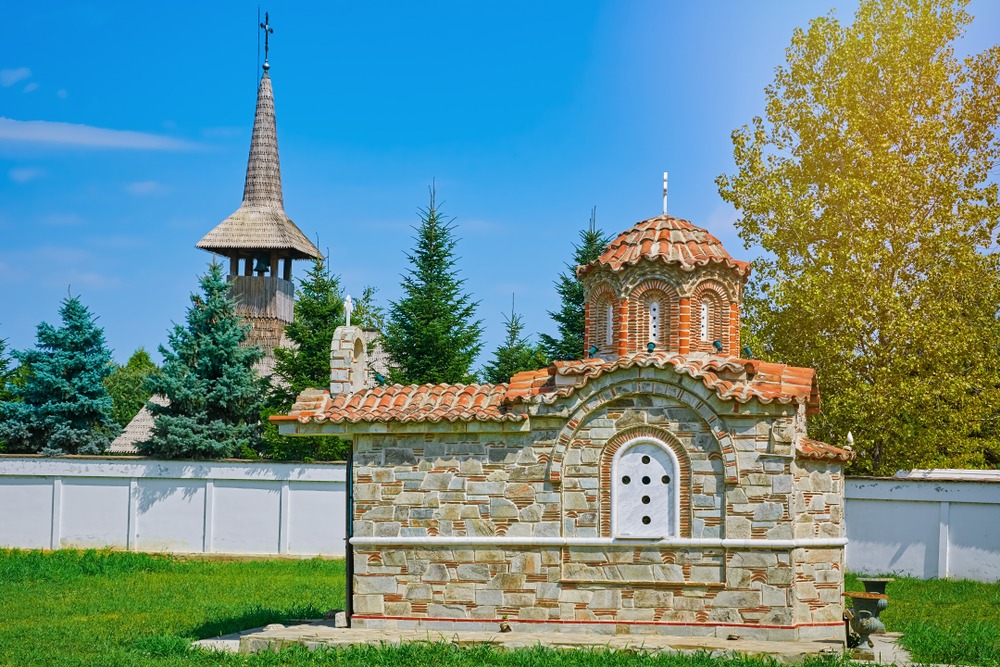
Although quieter than major tourist cities, Giurgiu offers an authentic river-town atmosphere with local markets, Orthodox churches, modest cafes, and scenic river views. It serves as a practical stop for Danube cruises, cross-border travel, and visitors seeking a slower-paced alternative to Bucharest.
Top 25 Attractions In and Around Giurgiu
1. Giurgiu Clock Tower (Turnul Ceasornicului)
One of the city’s most recognizable landmarks, this historic clock tower dates back to the Ottoman period and stands as a symbol of Giurgiu’s long-standing civic identity.
2. Giurgiu Fortress Ruins
Remaining earthworks and structural fragments recall the medieval fortress that once defended the city during centuries of conflict along the Danube frontier.
3. Danube Riverfront Promenade
A pleasant walking area offering views of the river, passing ships, and the Bulgarian shoreline, ideal for quiet evening strolls.
4. Giurgiu–Ruse Friendship Bridge
This combined rail and road bridge spans the Danube and provides dramatic views while linking Romania and Bulgaria.
5. Episcopal Cathedral of Saint Alexander
An important Orthodox cathedral known for its architecture, religious art, and historical significance.
6. Central Markets and Town Squares
Local markets showcase fresh produce, cheeses, baked goods, and everyday sights of Romanian urban life.
7. Mocanu and Mocănașu Danube Islands
Protected river islands valued for birdlife, wild vegetation, and scenic river views.
8. Bălănoaia Forest
A nearby wooded area offering walking paths and opportunities to observe local wildlife.
9. Comana Nature Park
One of southern Romania’s most important natural reserves, featuring wetlands, forests, lakes, and outdoor recreation.
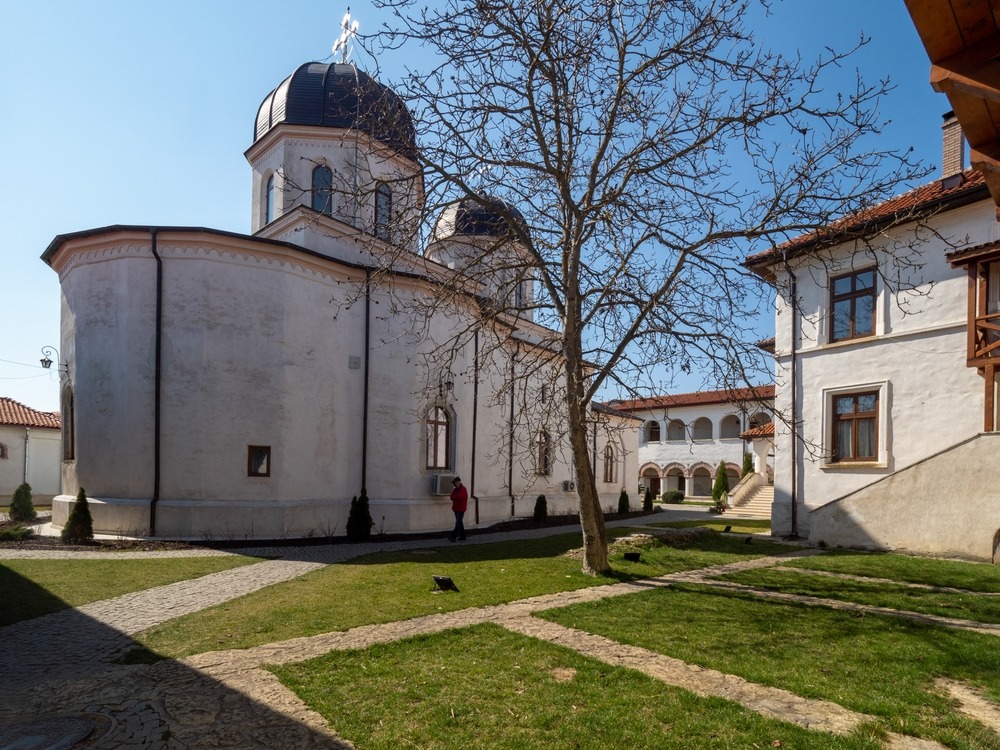
10. Comana Monastery
A historic monastery founded in the 15th century, traditionally associated with Vlad Țepeș, set within the nature park.
11. Lake Comana
A wetland paradise popular for birdwatching, kayaking, and nature photography.
12. Adventure Park Comana
An outdoor recreation area offering tree-climbing courses, boating, and family-friendly activities.
13. Traditional Villages of Giurgiu County
Nearby rural villages preserve elements of traditional Romanian architecture, crafts, and cuisine.
14. Ruse, Bulgaria – Historic Center
Just across the river, Ruse features elegant 19th-century architecture and vibrant pedestrian streets.
15. Ruse Regional Historical Museum
A major cultural institution presenting the shared history of the lower Danube region.
16. Danube River Cruises
Cruise itineraries often include Giurgiu as a port of call or nearby boarding point.
17. Veliko Tarnovo Day Trips
Giurgiu serves as a gateway for excursions deeper into Bulgaria, including its historic former capital.
18. Danube Fishing Areas
Traditional fishing spots highlight river-based livelihoods that persist to this day.
19. Giurgiu Port Area
A working industrial waterfront offering insight into modern river commerce and transport.
20. Local Orthodox Parish Churches
Smaller neighborhood churches provide intimate examples of religious art and community life.
21. Agricultural Landscapes of the Danube Plain
Surrounding fields of grain and sunflowers define the region’s rural scenery.
22. Seasonal Festivals and Cultural Events
Local celebrations reflect Romanian religious traditions, music, and folklore.
23. Regional Romanian Cuisine
Restaurants and guesthouses serve traditional dishes such as soups, grilled meats, and freshwater fish.
24. Cycling Routes Near Giurgiu and Comana
Flat terrain and quiet roads make the area well suited for relaxed cycling trips.
25. Day Trips to Bucharest
Easy rail and road connections allow visitors to combine Giurgiu with Romania’s capital for a broader travel experience.
History and attractions of Giurgiu, Romania