
World Economic Forum: Meaning, History, Legacy and Global Market Influence
The World Economic Forum (WEF) is an international non-governmental organization and think tank that brings together leaders from politics, business, science, media, and civil society to discuss key challenges facing the modern world. Although it is best known for its annual meeting in Davos, Switzerland, the WEF operates year-round through reports, global initiatives, and partnerships addressing economic development, climate change, innovation, education, and public health. The organization does not create laws or policies, but instead provides a platform for cross-sector dialogue that can shape the direction of global economic and social processes.
History and Origins
The World Economic Forum was founded in 1971 by Professor Klaus Schwab of the University of Geneva. In its early years it operated under the name “European Management Forum” and functioned primarily as an academic and business conference aimed at improving corporate governance and management standards in Western Europe. During the 1980s the organization expanded its scope globally, changed its name to the World Economic Forum, and evolved into a platform for international dialogue on economics, geopolitics, and innovation. Over time its agenda expanded beyond economic issues to include climate change, social inequality, digital transformation, and global health, shaping the WEF into a multi-dimensional actor in worldwide discussions.
Legacy and Accomplishments
The legacy of the WEF does not lie in treaties or binding political agreements, but rather in shaping discourse and facilitating cooperation. One notable aspect of its legacy is its ability to bring together parties with opposing political or economic views. For example, informal discussions between Israeli and Palestinian representatives in the 1990s helped contribute to broader diplomatic engagement. Another important contribution is the creation of influential analytical publications such as the Global Competitiveness Report, the Global Risks Report, and the Future of Jobs Report. These documents are widely used by governments, corporations, and academic institutions as reference points for strategic planning. The WEF has also helped popularize concepts such as sustainable development, public-private partnerships, and corporate responsibility, encouraging global industries to integrate social and environmental considerations into their long-term business strategies.
Influence on the Global Economy and Market
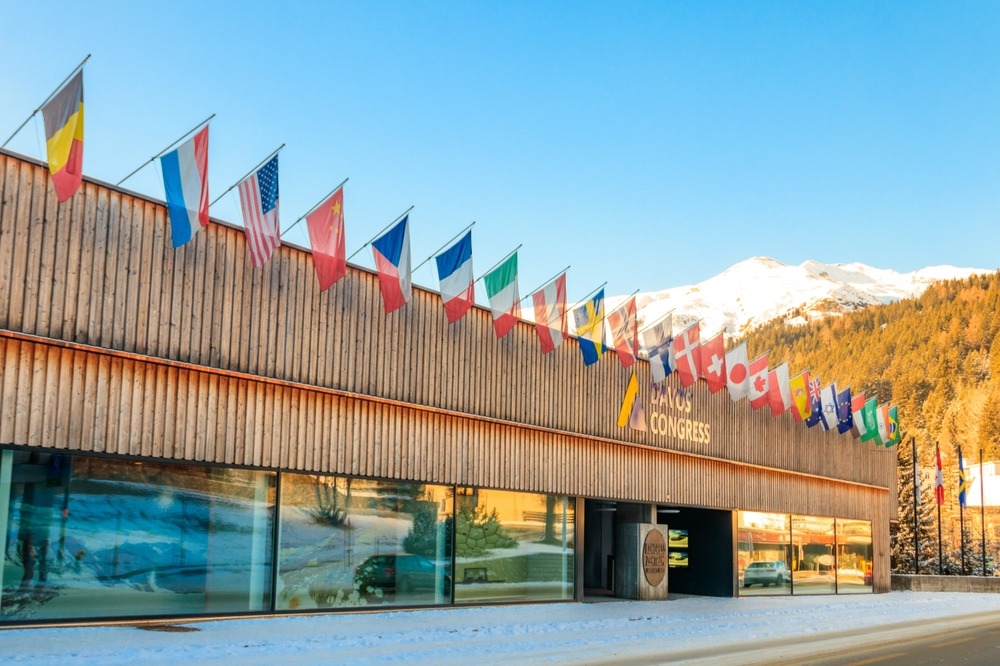
While the WEF does not pass legislation or control financial institutions, it has measurable influence on how the global market evolves. Davos has become a symbolic venue where governments and multinational corporations announce strategies, negotiate investment opportunities, and discuss innovation trends. Topics such as globalization, decarbonization, supply chain resilience, cybersecurity, and artificial intelligence frequently emerge at WEF events and often shape policy directions and investment flows afterward. The forum also serves as a bridge between sectors that rarely interact directly, accelerating the exchange of ideas between business leaders, scientists, regulators, and civil organizations. While it has some critics, it remains one of the central hubs of debate concerning the future of the world economy.
In Conclusion
The World Economic Forum is a unique institution: it is not a government, it is not bound by international treaties, and it does not represent any single nation or sector. Its strength lies in bringing together key actors of the global economy and facilitating discussion about future challenges. Its evolution mirrors shifts in global priorities, from business and management concerns toward environmental, technological, and social issues. The Forum’s legacy consists not in formal documents, but in its longstanding influence on how nations, industries, and experts discuss the future of markets, innovation, and global development. Through this role, the WEF continues to serve as a major point of contact between economics, policy, and society, shaping conversations that affect both the present and the long-term direction of the world economy.