The Legend of the Blarney Stone: History, Myth, and Enduring Cultural Power
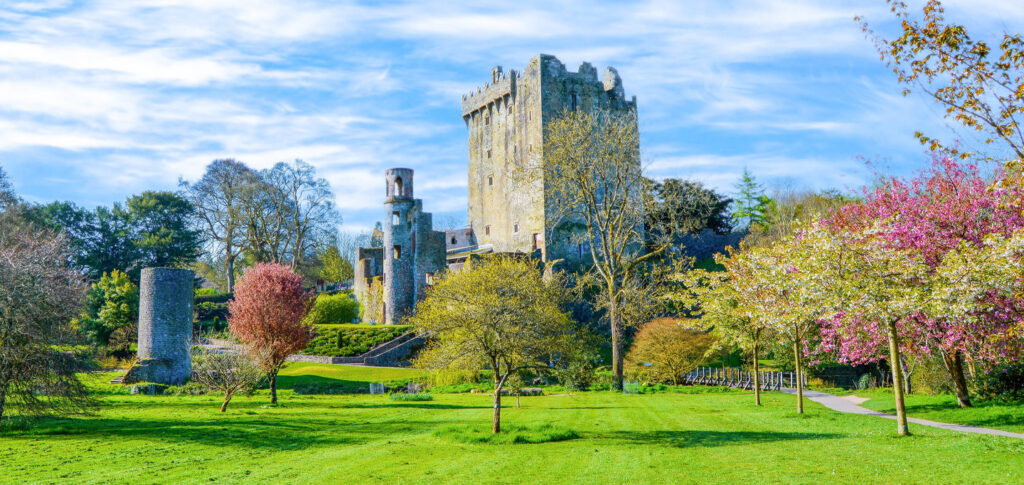
Perched high within the battlements of Blarney Castle in County Cork, the Blarney Stone is one of the most famous—and most kissed—stones in the world. For centuries, it has drawn travelers seeking the legendary “gift of the gab,” a charm said to bestow eloquence, persuasion, and wit upon anyone brave enough to lean backward and kiss it. While the ritual may appear whimsical today, the Blarney Stone’s legend is rooted in a complex blend of medieval history, folklore, political maneuvering, and Ireland’s enduring storytelling tradition.
Origins of the Blarney Stone and Blarney Castle
The stone itself is set into the parapet of Blarney Castle, a medieval fortress constructed in its current form around 1446 by Dermot McCarthy, King of Munster. The McCarthy clan was one of the most powerful Gaelic families in southern Ireland, and Blarney Castle served as both a stronghold and a symbol of their authority.
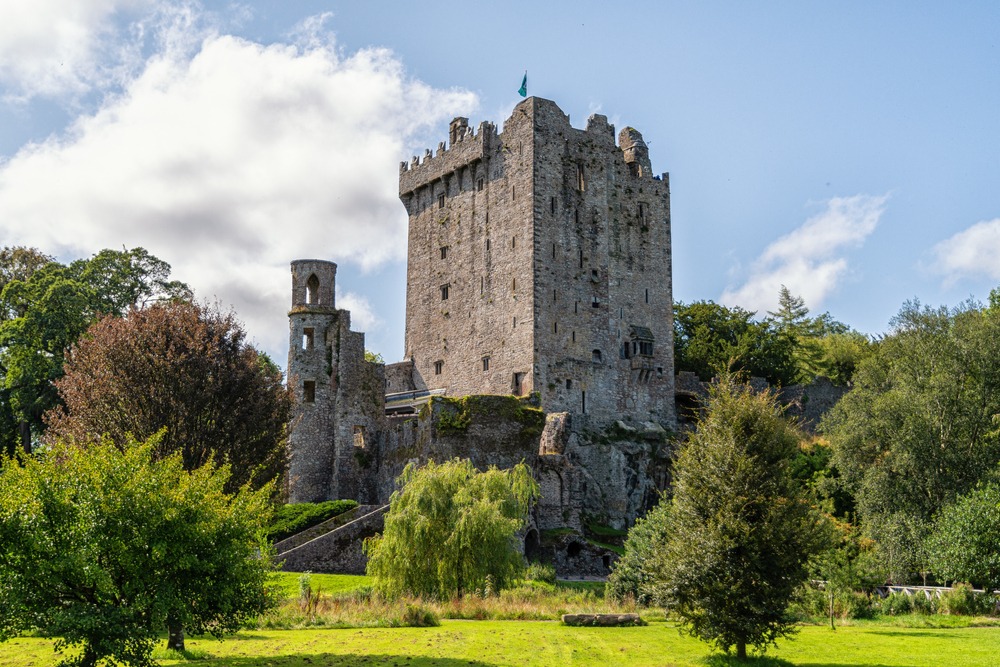
The true geological origin of the stone remains debated. Some claim it is a piece of local limestone, while others connect it to the Stone of Scone, the ancient coronation stone of Scottish kings. According to legend, Robert the Bruce gifted part of the Stone of Scone to the McCarthys in gratitude for their support at the Battle of Bannockburn in 1314. While historians dispute this claim, the mystery itself has helped fuel the stone’s mystique.
How the Blarney Stone Gained Its Legendary Power
The most famous legend surrounding the Blarney Stone centers on its supposed ability to grant eloquence and persuasive speech. One story attributes this power to Clíodhna, a goddess or fairy queen from Irish mythology. According to the tale, Clíodhna advised Dermot McCarthy to kiss a magical stone before pleading his case in court, ensuring he would speak with irresistible charm and succeed.
Another explanation for the stone’s notoriety lies in political history rather than folklore. In the late 16th century, Cormac MacCarthy frequently negotiated with Queen Elizabeth I’s representatives regarding land ownership and royal demands. Though his letters and speeches were filled with polite language and promises, he often failed to follow through. English officials grew frustrated, referring to his elaborate but empty reassurances as “blarney.” Over time, the term came to mean flattering speech or clever talk intended to persuade without committing—cementing the stone’s reputation as a source of verbal charm.
The Ritual of Kissing the Stone
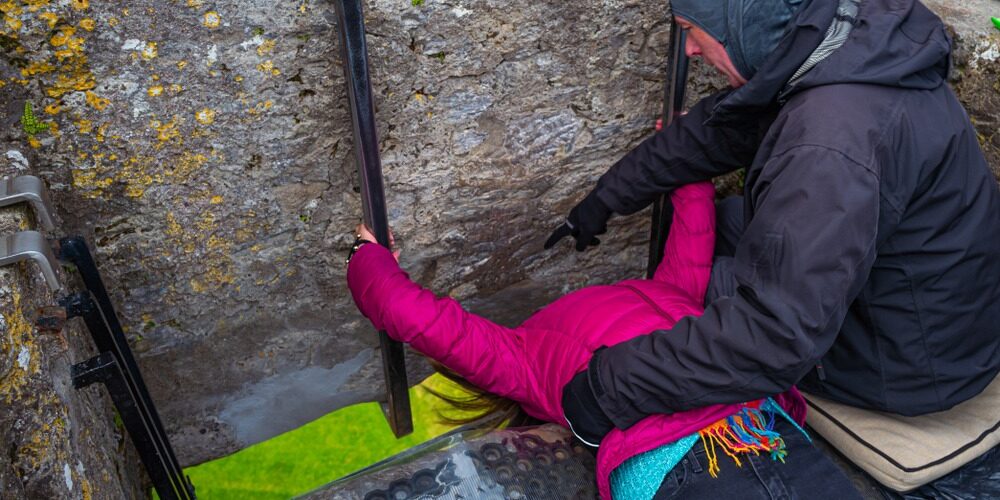
Kissing the Blarney Stone is no casual gesture. Visitors must climb to the top of Blarney Castle, lie on their backs, lean out over a sheer drop, and kiss the stone upside down. In earlier centuries, this act was far more dangerous, performed without modern safety rails. Today, iron bars and attendants ensure the ritual remains safe while preserving its dramatic flair.
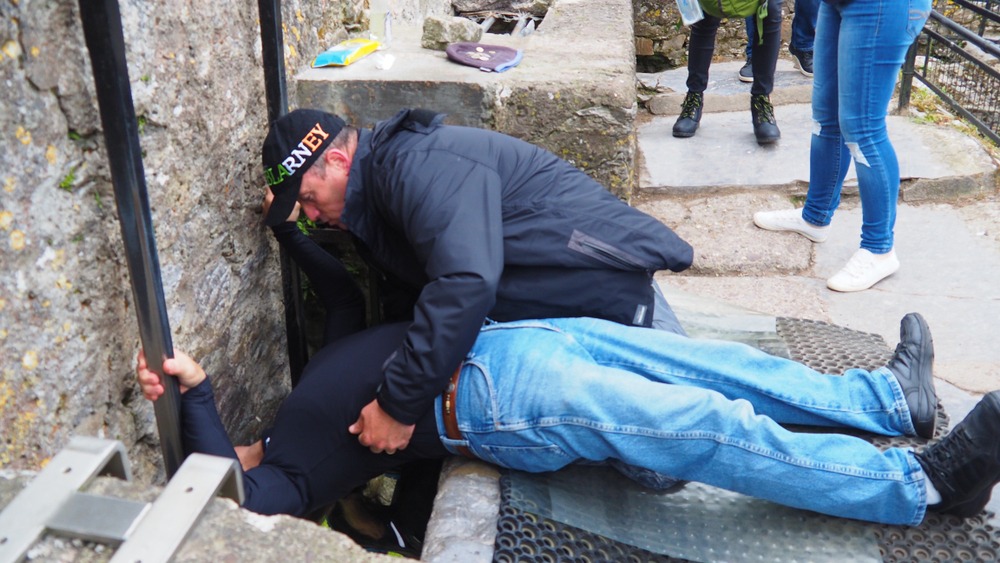
Despite the effort and mild anxiety involved, millions of visitors from around the world continue to participate. The ritual has become a rite of passage for travelers to Ireland, blending superstition, bravery, and a sense of playful tradition.
The Blarney Stone in Modern Culture and Tourism
In modern times, the Blarney Stone has become one of Ireland’s most iconic cultural symbols. The phrase “the gift of the gab” has entered global vocabulary, often used to describe politicians, salespeople, and storytellers alike. References to “blarney” appear frequently in literature, film, advertising, and political commentary, reinforcing the stone’s association with charm and rhetoric.
Tourism has played a major role in sustaining the legend. Blarney Castle is now one of Ireland’s most visited attractions, welcoming hundreds of thousands of visitors annually. Beyond the stone itself, the castle grounds—including gardens, rock formations, and historical ruins—offer a broader cultural experience, tying the legend into Ireland’s medieval and natural heritage.
Why the Legend Endures
The enduring appeal of the Blarney Stone lies not in proof of its power, but in what it represents. Ireland has long been celebrated for its storytelling tradition, its poets, orators, and conversationalists. The Blarney Stone serves as a physical embodiment of that cultural identity—a place where history, myth, humor, and human connection converge.
In an age of digital communication and rapid travel, the act of kissing a centuries-old stone remains a tangible link to the past. Whether visitors believe in its magic or simply enjoy the tradition, the Blarney Stone continues to inspire curiosity, laughter, and conversation—perhaps the greatest gift of eloquence it could offer.