The Most Famous Gaudí Masterpieces in Barcelona
Barcelona is inseparable from the legacy of Antoni Gaudí, the visionary architect whose work reshaped the city’s identity and helped define Catalan Modernisme. More than a century after many of his projects began, Gaudí’s buildings remain among the most recognizable architectural works in the world. Drawing inspiration from nature, religion, geometry, and Catalan tradition, Gaudí rejected straight lines and conventional forms, creating structures that feel organic, symbolic, and deeply spiritual. His masterpieces in Barcelona are not only architectural landmarks but cultural touchstones that continue to influence art, design, and tourism globally.
Sagrada Família
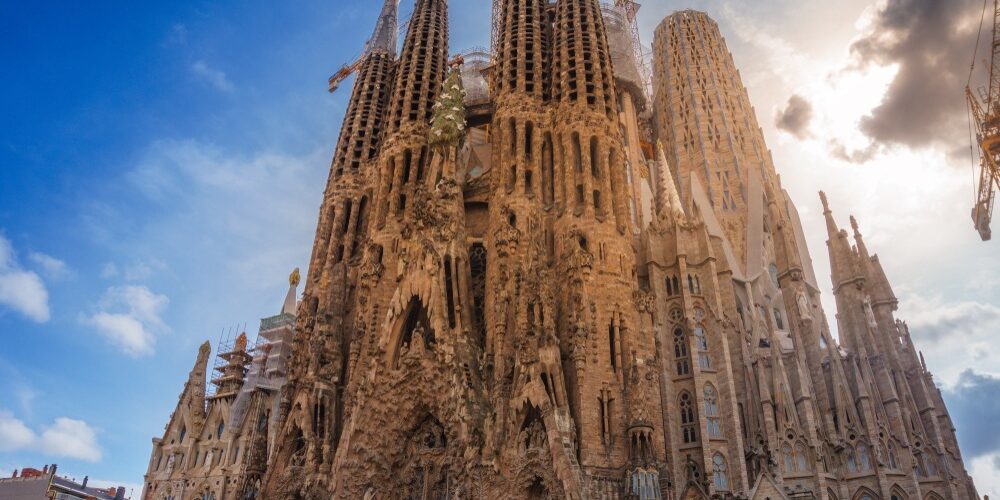
The Sagrada Família stands as Gaudí’s most ambitious and enduring work. Construction began in 1882, and Gaudí devoted the final decades of his life almost entirely to the project. Conceived as a monumental basilica celebrating the life of Jesus Christ, the building combines Gothic verticality with organic forms inspired by forests, bones, and natural growth patterns. Every façade tells a theological story, from the Nativity Façade’s celebration of birth and life to the Passion Façade’s stark depiction of suffering and death.
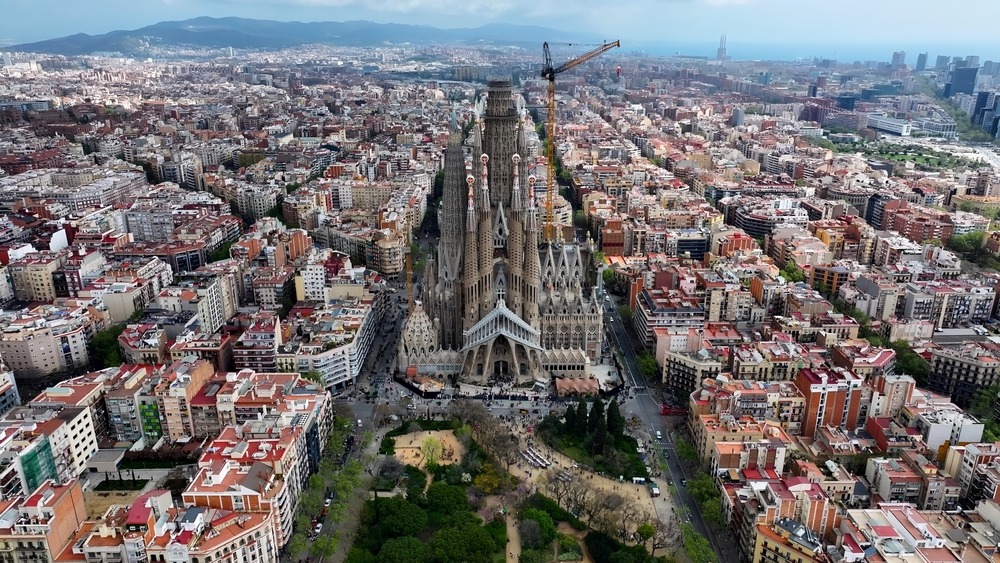
Gaudí understood that the Sagrada Família would outlive him, famously stating that his client was God and therefore not in a hurry. Today, the basilica remains under construction, funded largely by tourism, and has become the most visited monument in Spain. Its interior, filled with light filtered through vibrant stained glass, resembles a stone forest and ranks among the most immersive sacred spaces in modern architecture.
Park Güell
Park Güell represents Gaudí’s fusion of architecture, landscape design, and civic vision. Originally commissioned as a luxury residential development, the project was ultimately transformed into a public park when the housing concept failed commercially. Gaudí designed the park to blend seamlessly with the natural contours of the hillside, incorporating curved pathways, viaducts, and terraces that appear to grow organically from the earth.
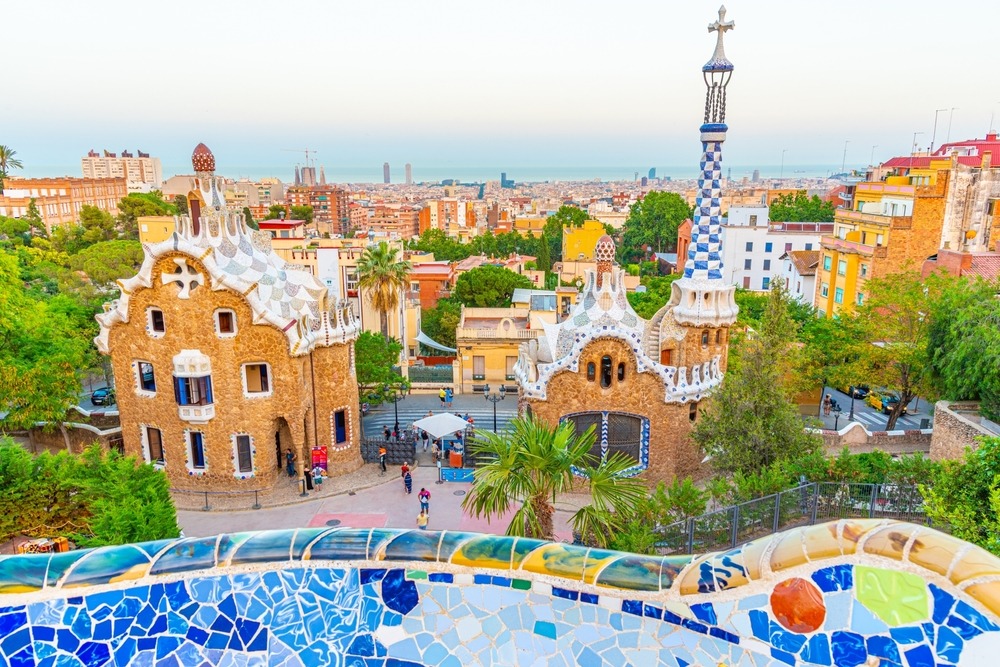
The park’s most iconic features include the serpentine mosaic bench overlooking Barcelona and the colorful ceramic dragon at the entrance. These playful elements conceal sophisticated structural engineering and symbolic meaning, reflecting Gaudí’s belief that architecture should be joyful, functional, and rooted in nature. Today, Park Güell is both a UNESCO World Heritage Site and one of the city’s most beloved public spaces.
Casa Batlló
Casa Batlló is one of Gaudí’s most imaginative residential buildings and a defining example of his ability to transform an ordinary structure into a work of art. Renovated between 1904 and 1906, the building is often interpreted as an architectural retelling of the legend of Saint George and the Dragon. The façade’s undulating surface, covered in colorful trencadís mosaic, evokes scales, while the roof resembles the arched back of a dragon.
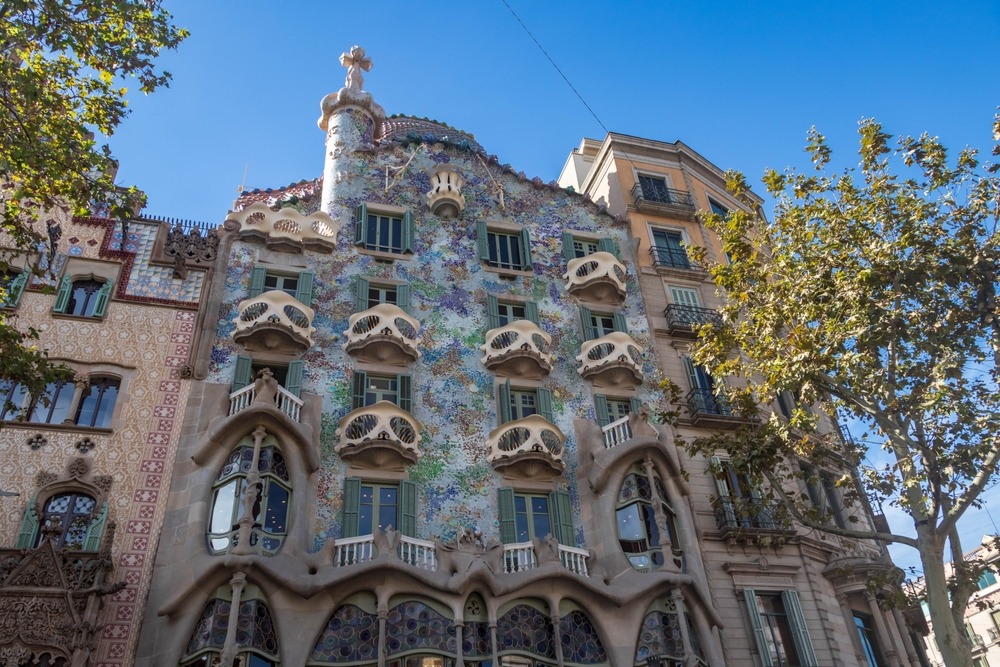
Inside, Gaudí eliminated straight lines entirely, creating flowing staircases, skeletal columns, and windows designed to distribute light evenly throughout the interior. Casa Batlló remains a symbol of creative freedom and technical mastery, demonstrating how architecture can convey narrative and emotion without words.
Casa Milà (La Pedrera)
Casa Milà, commonly known as La Pedrera, represents Gaudí’s most radical approach to urban residential design. Completed in 1912, the building’s stone façade ripples like waves, earning its nickname “the stone quarry.” Unlike traditional apartment buildings, Casa Milà has no load-bearing walls, allowing flexible interior spaces that were revolutionary for their time.
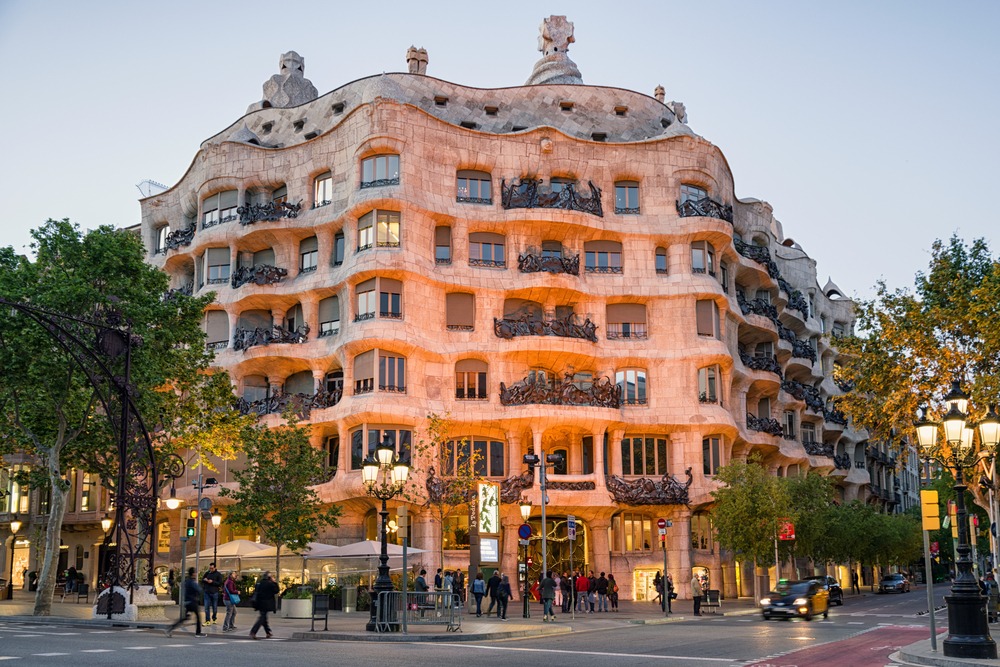
The rooftop is one of Gaudí’s most celebrated creations, featuring sculptural chimneys that resemble warriors or abstract figures. Beyond its visual impact, Casa Milà incorporated advanced ventilation, natural lighting, and structural innovations far ahead of modern sustainability concepts. Today, it stands as a testament to Gaudí’s engineering genius as much as his artistic vision.
Palau Güell
Palau Güell was one of Gaudí’s earliest major commissions and served as a residence for his patron, Eusebi Güell. Built between 1886 and 1890, the palace showcases Gaudí’s evolving style, blending Gothic influences with bold structural experimentation. The building’s interior is organized around a central parabolic hall, allowing light and sound to flow vertically through the space.
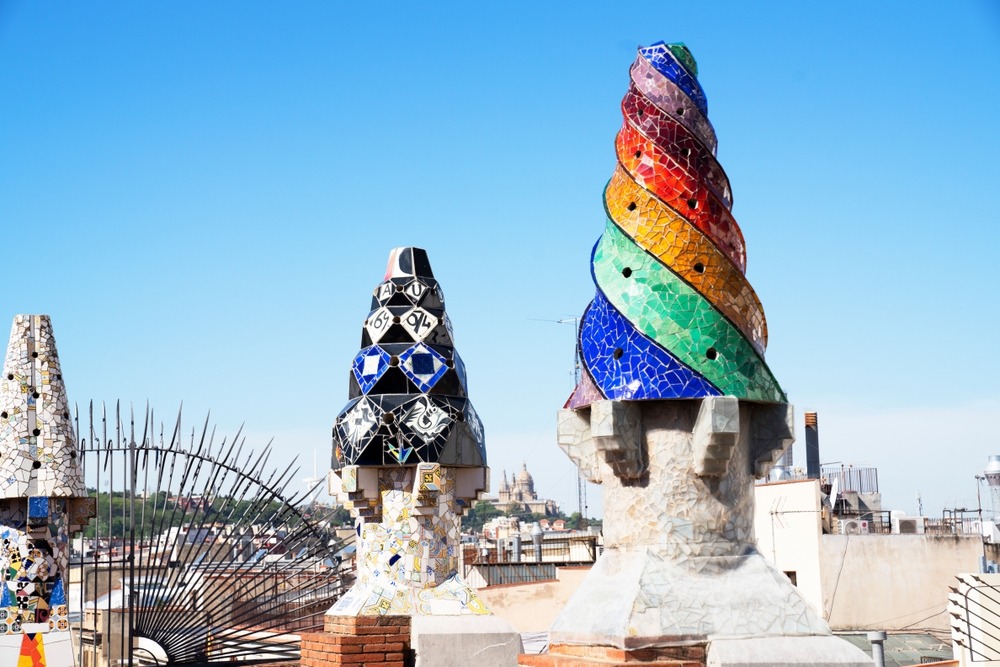
The rooftop, adorned with colorful chimneys and sculptural forms, foreshadows Gaudí’s later work while establishing his distinctive approach to ornamentation and symbolism. Palau Güell marks the beginning of a creative partnership that would shape much of Gaudí’s career.
Casa Vicens
Casa Vicens is considered Gaudí’s first major architectural work and offers insight into his early artistic influences. Completed in 1885, the house incorporates Moorish, Oriental, and natural motifs, decorated with vivid tiles and floral patterns. While more angular than his later works, Casa Vicens already displays Gaudí’s fascination with color, texture, and handcrafted detail.
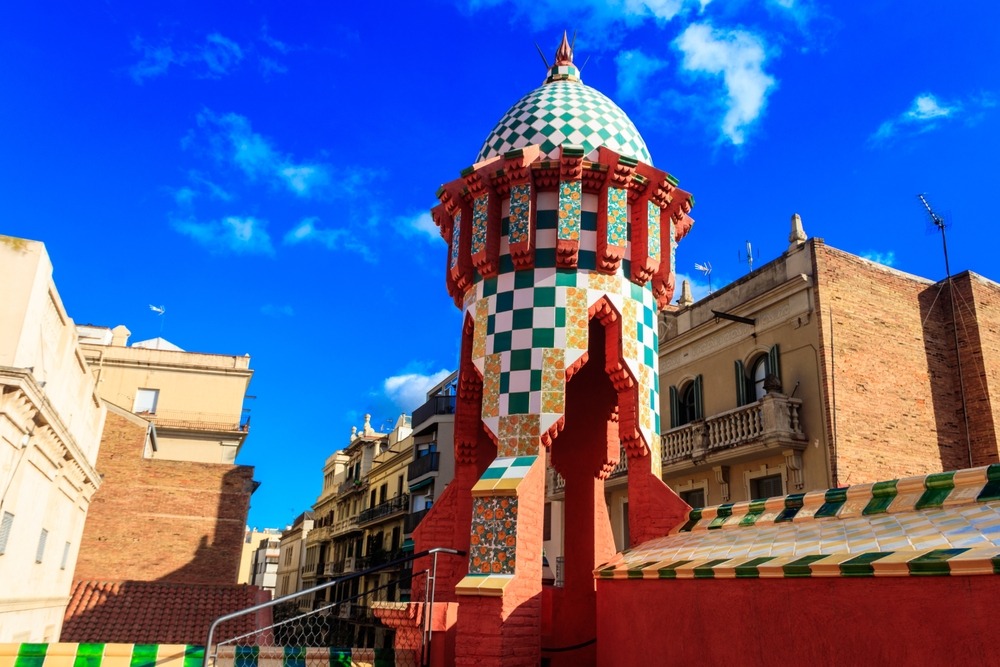
The building reflects a period of experimentation, during which Gaudí began developing the visual language that would later mature into his unmistakable style. Today, Casa Vicens stands as a key work for understanding the evolution of his architectural philosophy.
Gaudí’s Enduring Influence on Barcelona
Gaudí’s masterpieces have become inseparable from Barcelona’s global identity. Seven of his works in the city are recognized as UNESCO World Heritage Sites, a testament to their universal cultural value. Beyond aesthetics, his buildings pioneered ideas about sustainability, organic design, and the integration of architecture with the environment, concepts that continue to inspire contemporary architects.
For visitors, Gaudí’s Barcelona is more than a collection of landmarks; it is an immersive experience where art, faith, and imagination converge. His work invites exploration, contemplation, and wonder, ensuring that Barcelona remains one of the world’s great architectural destinations.