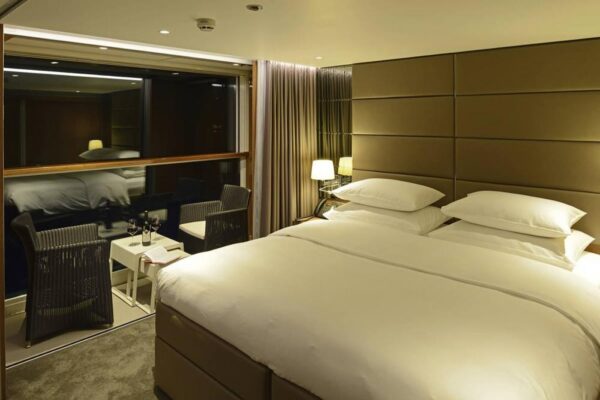





These grand suites include a host of special features and services. Curl up in your lounge with a kindle e-book from your in-suite library and sip your favorite aperitif, personally delivered by your butler – all before enjoying an intimate dining experience, in the plush and private surroundings of your suite. Even from the comfort of your bedroom, you’ll never miss a photo opportunity – access the outside world through your drop-down balcony window, with the gentle touch of a button, and with your in-suite binoculars.
Machu Picchu and the Legacy of the Inca Civilization
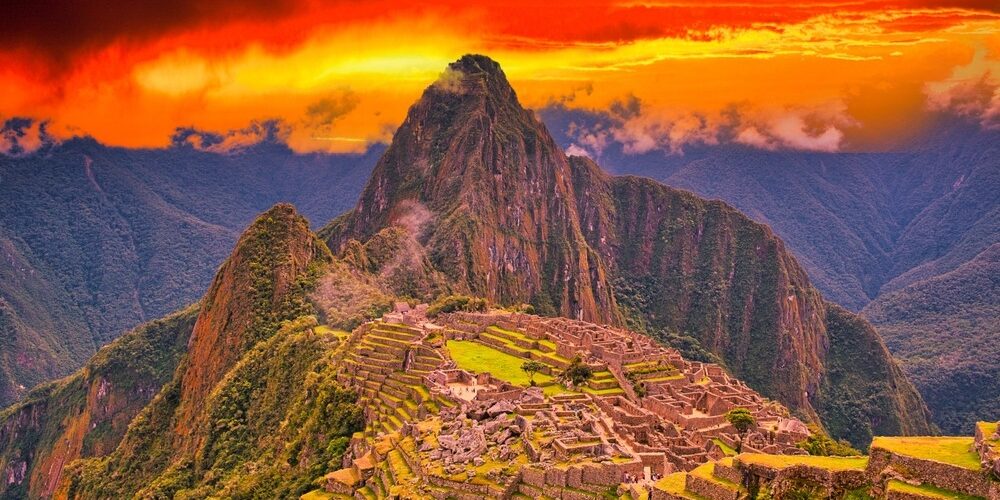
High in the Andes Mountains of present-day Peru, Machu Picchu stands as one of the most extraordinary archaeological sites in the world. Perched on a narrow ridge above the Urubamba River valley, the stone city appears almost suspended between earth and sky. Its isolation, preservation, and architectural sophistication have made it a symbol not only of the Inca Empire, but of human ingenuity itself. To understand Machu Picchu fully, it must be viewed within the broader context of the Inca civilization—an empire that rose rapidly, governed with remarkable efficiency, and left a legacy still deeply woven into Andean culture.
The Inca civilization emerged in the early 13th century in the region surrounding Cusco, which they regarded as the center of the world. According to Inca origin myths, the first rulers were sent by the sun god Inti to bring order, agriculture, and civilization to the Andean peoples. What began as a small highland kingdom expanded into the largest empire in pre-Columbian America. At its height in the 15th and early 16th centuries, the Inca Empire stretched from modern-day Colombia through Ecuador, Peru, Bolivia, and into Chile and Argentina. This vast territory was unified not through written language or wheeled transport, but through sophisticated road systems, agricultural engineering, and centralized administration.
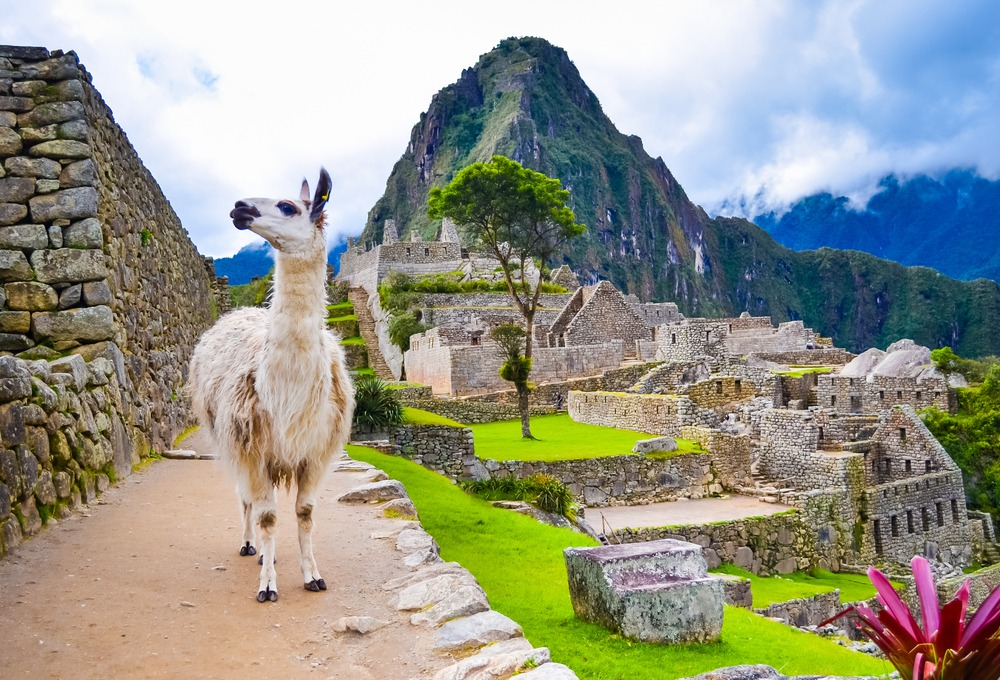
Machu Picchu is believed to have been constructed during the reign of the Inca emperor Pachacuti in the mid-15th century, a period of dramatic expansion and cultural refinement. Pachacuti transformed the Inca state from a regional power into a true empire, reorganizing its political structure and commissioning monumental architecture throughout the Andes. Machu Picchu was likely built as a royal estate or ceremonial retreat rather than a permanent city. Its remote location suggests it was intended for elite use, possibly serving religious, political, and astronomical functions tied closely to Inca cosmology.
The site itself demonstrates the extraordinary engineering skill of the Inca. Machu Picchu was built without mortar, using precisely cut stones fitted so tightly that even today a blade of grass cannot slip between them. This dry-stone construction technique not only provided durability but also allowed the buildings to withstand frequent earthquakes. Terraced slopes prevented erosion and allowed agriculture to flourish in an otherwise inhospitable environment. Water was carefully channeled through stone fountains and drainage systems, reflecting the Inca belief that water was sacred and essential to cosmic balance.
Religion played a central role in Inca life, and Machu Picchu reflects this spiritual worldview. The Inca worshipped Inti, the sun god, as well as Pachamama, the earth mother, and a pantheon of natural forces embodied in mountains, rivers, and celestial bodies. The surrounding peaks, known as apus, were considered living spirits that protected the people. Structures at Machu Picchu appear carefully aligned with solstices and astronomical events, reinforcing the idea that the site functioned as a sacred landscape where the natural and divine worlds intersected.
Despite its significance, Machu Picchu was abandoned within a century of its construction. When Spanish conquistadors arrived in the Andes in the 1530s, the Inca Empire was already weakened by internal conflict and devastating epidemics introduced from Europe. Smallpox, measles, and influenza swept through the population, killing millions and destabilizing political leadership. Although the Spanish never discovered Machu Picchu, the collapse of imperial authority likely led to its gradual abandonment, as the networks that sustained elite estates and ceremonial centers disintegrated.
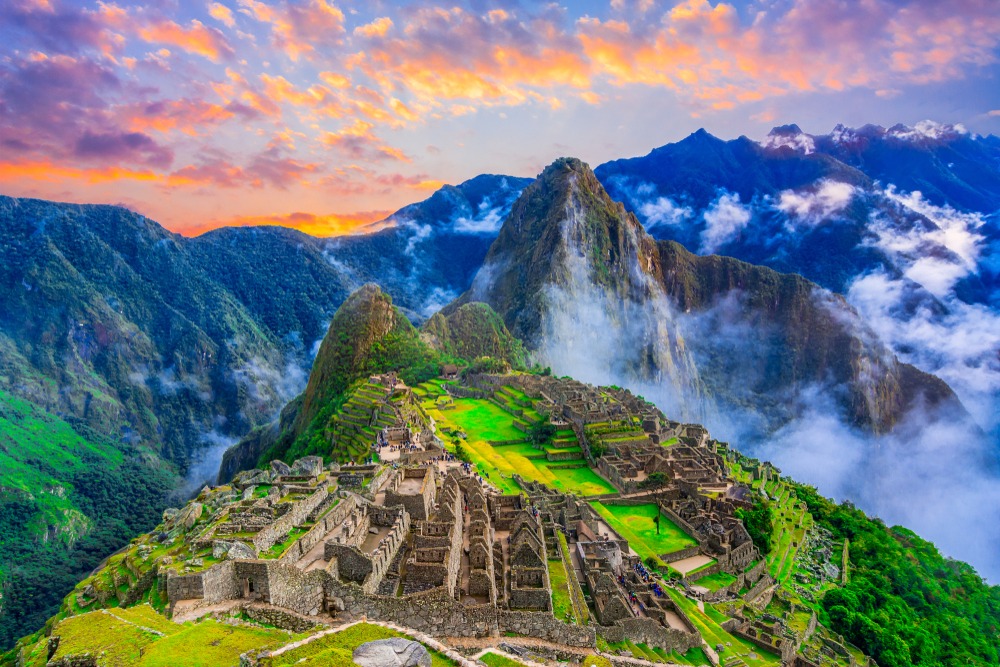
For centuries, Machu Picchu remained hidden from the outside world, known only to local communities. In 1911, American historian Hiram Bingham brought international attention to the site, presenting it as a “lost city of the Inca.” While this characterization overlooked indigenous knowledge of the ruins, Bingham’s work sparked global fascination and set Machu Picchu on a path toward becoming one of the most studied and visited archaeological sites on Earth.
Machu Picchu Today
Today, Machu Picchu stands as both a cultural treasure and a powerful reminder of the Inca worldview. It represents a civilization that achieved remarkable unity across vast and challenging terrain without iron tools, written language, or draft animals. The Inca governed through reciprocity and communal labor, valuing harmony between people, nature, and the cosmos. Their legacy survives not only in stone ruins, but in living traditions, language, agriculture, and Andean identity.
Machu Picchu endures because it speaks to something universal. It reflects humanity’s desire to create meaning, beauty, and order in harmony with the natural world. Rising above the clouds, it remains a place of mystery and reflection, inviting each generation to contemplate the achievements of the past and the fragile balance between civilization and environment.