Barcelona’s Sagrada Família Reaches the Sky: A 144-Year Achievement That Redefines the City as a Destination
For more than a century, Barcelona’s skyline has carried an unfinished promise—an extraordinary basilica rising slowly, year by year, generation by generation. In February 2026, that promise entered a new era. With the completion and installation of the cross atop the Tower of Jesus Christ, the Sagrada Família reached its designed maximum height—an engineering and cultural milestone 144 years in the making. This is not simply a construction update. It is a defining moment for Barcelona itself: a city where history, faith, artistry, and modern innovation converge in a way few places on Earth can match.
Construction began in 1882, and within a year the project passed into the hands of Antoni Gaudí, the architect who would transform a conventional plan into a living cathedral of symbolism, geometry, and nature-inspired design. Gaudí did not treat the basilica as a building that would be completed quickly and admired from a distance. He envisioned it as an evolving act of devotion and craft, one that would outlast him and carry forward the spiritual and artistic ambitions of an entire community. The Sagrada Família was meant to be built by generations—not because it was impractical, but because it was, in Gaudí’s mind, the proper scale for a monument intended to reflect eternity.
The 2026 Milestone: The Tower of Jesus Christ and Its Crown
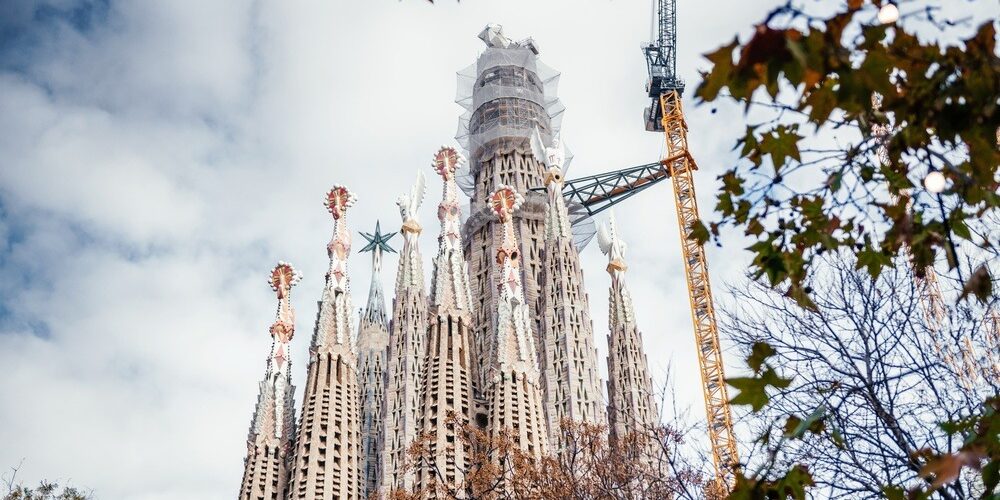
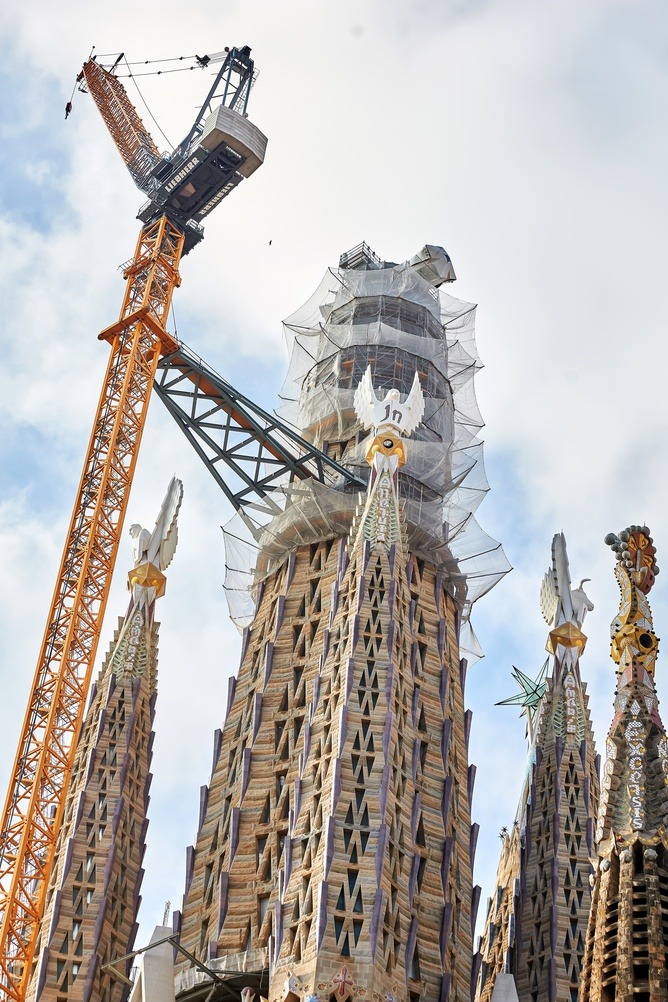
The most striking achievement recognized in February 2026 is the completion of the basilica’s central pinnacle, the Tower of Jesus Christ, now crowned with its cross. This is the tallest element of Gaudí’s intended design, and reaching this point signals that the cathedral’s silhouette—its most iconic outline on the skyline—has arrived in a form that previous centuries could only imagine. The structure is designed to rise to approximately 172.5 meters, placing it among the most significant religious architectural feats anywhere in the world and giving Barcelona a skyline centerpiece unlike any other.

Reports around this milestone emphasize not only the height but also the symbolism of the final elements: the cross, the carefully engineered placement process, and the spiritual meaning embedded in the tower’s completion. This moment has been framed as a historic turning point—an achievement that finally allows visitors to see the basilica’s vertical ambition realized, with a centerpiece that reorients the entire composition of the building. In a city already renowned for design, the visual impact of this crown is expected to become one of the defining images of Barcelona in the coming decade.
Gaudí’s Life and the Basilica That Became His Calling
To understand why this completion matters so deeply, you have to understand what the Sagrada Família became to Gaudí. Over time, it was not merely his greatest commission. It was his life’s work—his spiritual mission, his architectural laboratory, and his ultimate legacy. Gaudí’s genius lay in more than style. He pushed structure, form, and symbolism into a new language of architecture, borrowing from the logic of nature—branching columns like trees, stone forms shaped by geometry, and light designed to feel less like illumination and more like revelation.
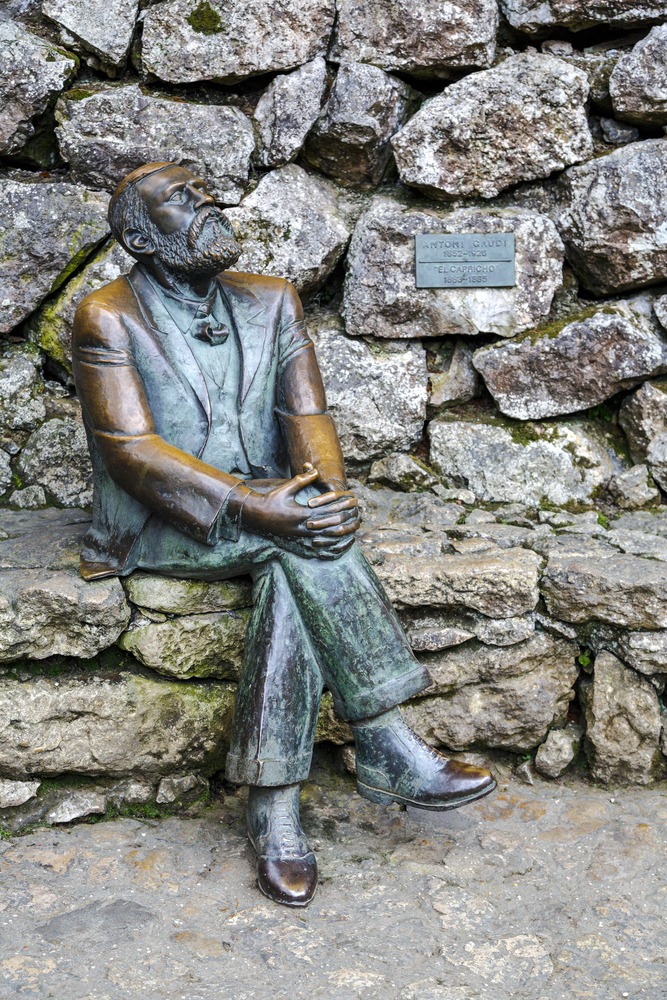
In the later years of his life, Gaudí’s dedication intensified. He famously devoted himself almost entirely to the basilica, simplifying his personal life and focusing on the project with near-total commitment. He knew the work was too vast to finish in his lifetime, and he accepted that reality. For Gaudí, the Sagrada Família was not a race to a finish line—it was an offering. His understanding that he would never see it completed became part of the project’s meaning: the basilica would embody continuity, humility, and long-term faith in craft and purpose.
That devotion makes his death all the more poignant. In 1926, Gaudí was struck by a tram and died days later, leaving behind a project still in its early phases. At the time of his passing, only a portion of the basilica had been completed. His death is often described as untimely not simply because of the tragedy itself, but because it severed the direct hand of the creator from the creation—forcing future generations to interpret, reconstruct, and continue his vision without him.
A Cathedral Interrupted by History, Rebuilt by Generations
The Sagrada Família’s long journey has not been smooth or uninterrupted. Political turmoil and conflict deeply affected its progress, including the losses suffered during the Spanish Civil War, when key materials and models connected to Gaudí’s plans were damaged or destroyed. That forced later architects and builders to rely on surviving fragments, photographs, and careful study to carry the work forward. The result is one of the most extraordinary architectural continuations in modern history: a cathedral built across eras, shaped by multiple generations, yet still anchored to a single, coherent vision.
In modern times, the pace of construction accelerated, in large part due to advances in engineering and digital design. Tools like computer modeling, precision fabrication, and modern construction methods have made it possible to translate Gaudí’s complex geometry into buildable forms with accuracy that earlier craftsmen could only approximate by hand. What was once an architectural mystery has become, in part, an architectural calculation—without losing the wonder that Gaudí intended.
Not Finished, But Fundamentally Transformed
Even with this milestone, the Sagrada Família remains a living project. Decorative elements, sculptural programs, and significant architectural features still remain in progress. But reaching maximum height changes what “unfinished” means. The basilica has crossed a threshold from aspiration to presence. Visitors can now experience its skyline identity—the very idea of what Barcelona sees when it looks upward—in a form that aligns far more closely with what Gaudí imagined.
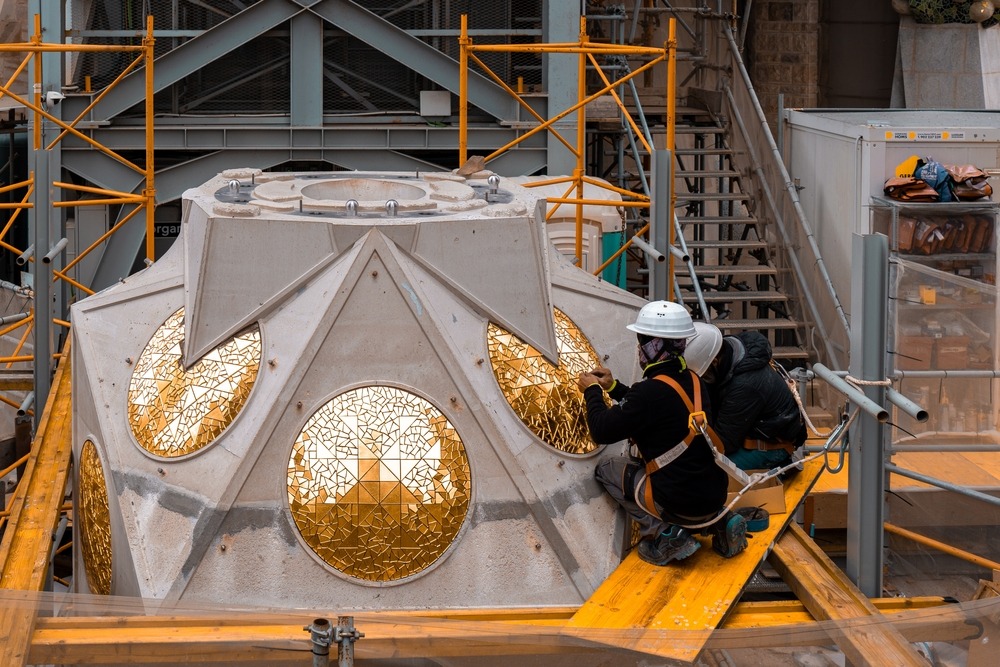
This is why the completion of the central tower is such a landmark achievement. It does not claim the entire project is complete; it declares that the basilica’s spiritual and architectural center has arrived. It is the difference between watching a dream being built and witnessing a dream taking its intended shape.
Barcelona as a Destination: Why This Moment Belongs on Your Travel Calendar
Barcelona has long been a magnet for travelers—Mediterranean light, Catalan culture, world-class cuisine, beaches, boulevards, and centuries of layered history. But the Sagrada Família is different from other attractions because it is not simply visited. It is experienced as a living story. The building is both basilica and construction site, both masterpiece and ongoing act of creation. And now, with its tallest tower crowned, the experience gains a new dimension: Barcelona’s most iconic monument finally stands at the height it was designed to reach.
For travelers, this milestone reframes a visit as participation in a historic moment. Seeing the Sagrada Família after this achievement is not the same as seeing it before. The skyline view, the emotional impact of the structure’s scale, and the symbolic clarity of the completed crown all deepen the sense of witnessing history rather than merely touring it. This is especially powerful in a city where modernism and heritage coexist so visibly—where the Gothic Quarter’s medieval lanes can lead you, within minutes, to one of the most audacious religious structures ever conceived.
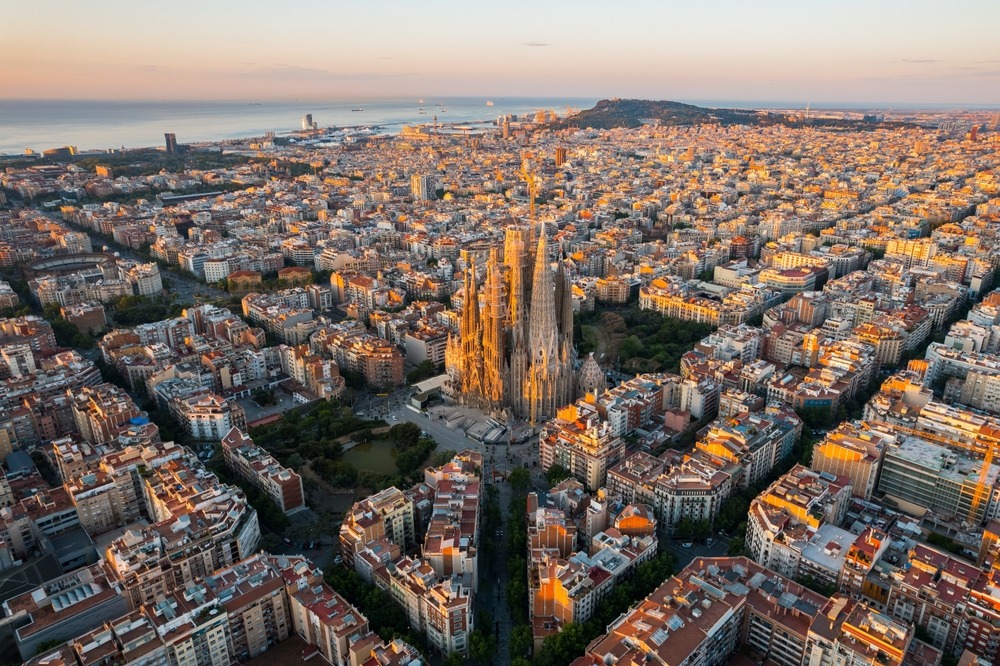
And for Barcelona itself, this achievement strengthens the city’s global identity. It is a reminder that the city is not only a place of beauty but a place of perseverance—capable of carrying forward a generational vision without losing momentum, purpose, or artistry. In a world that often measures success by speed, the Sagrada Família stands as a counterargument: that the greatest cultural achievements may be those built slowly, thoughtfully, and with devotion that outlasts a single lifetime.
A Moment Gaudí Expected, Even If He Could Never Witness It
There is something profoundly moving about the fact that Gaudí anticipated this. He understood, with clarity, that the Sagrada Família would be completed by others. He designed for the future. He left a vision so compelling that the world refused to let it die with him. That is what makes the 2026 milestone more than an engineering achievement. It is an act of continuity—a moment that honors the architect’s faith in generations he would never meet.
Today, as the central tower stands crowned and Barcelona looks up at a skyline newly defined, the Sagrada Família offers a rare kind of inspiration: proof that human creativity can be both ambitious and humble, both monumental and patient. It is a living reminder that masterpieces are not always finished by their creators—and that sometimes, the most meaningful achievements are the ones built with the understanding that they are bigger than any one life.