Touring Egypt: Why A Journey Down the Nile Feels Larger Than Travel
Eight Attractions and Experiences That Define a Visit to Egypt
Egypt exists in the imagination long before it exists on a map. For many people, the country represents humanity’s earliest sense of wonder — monuments built on impossible scales, tombs painted for eternity, and a river that sustained one of the first great civilizations. Yet the true experience of Egypt is not found in a single location. It emerges from a combination of achievement, discovery, and immersion.
Some places fulfill lifelong expectations, allowing travelers to stand before icons recognized across the world. Others deepen understanding by inviting visitors inside sacred architecture where belief systems were expressed in color and stone. Still others reveal the continuity of culture, connecting the ancient past with living traditions. Together, these experiences transform Egypt from a collection of ruins into a living narrative.
The following eight places consistently leave the strongest impression on visitors because each contributes a different emotional dimension to understanding the country.
The Pyramids of Giza and the Great Sphinx
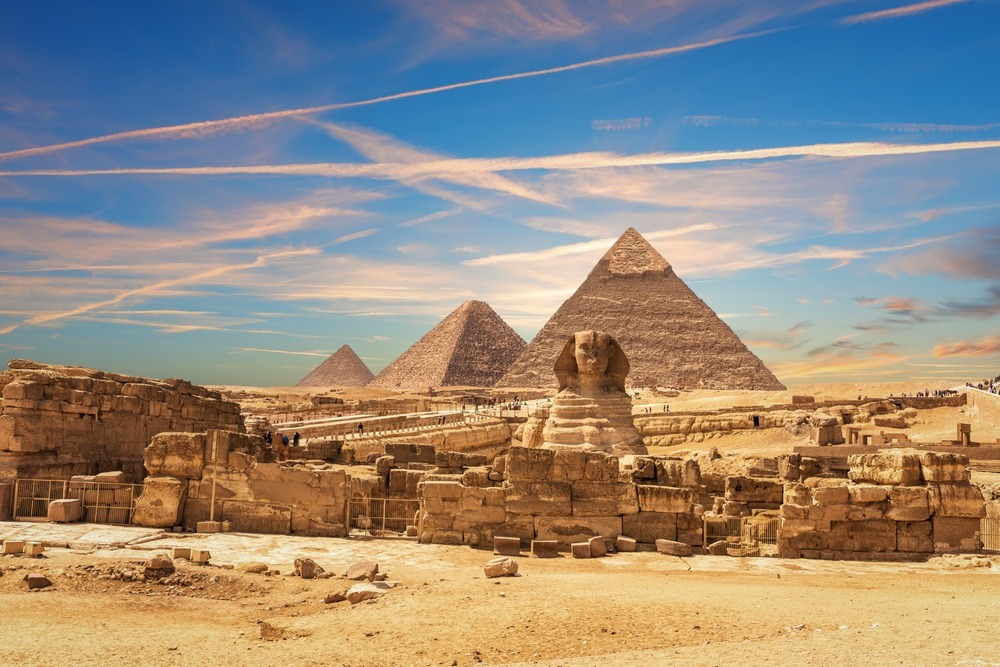
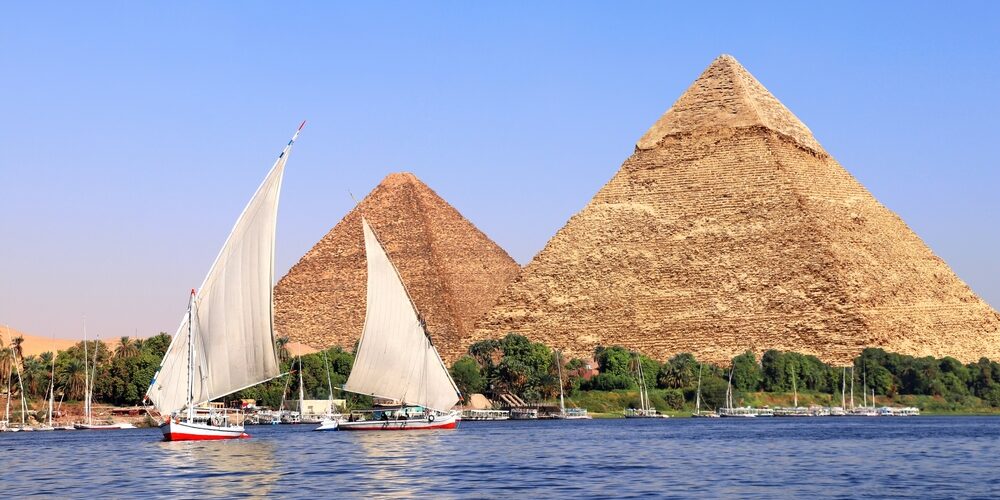
The first sight of the pyramids often produces silence. Their size resists comprehension; photographs flatten them, but in person they dominate the landscape. The massive stones appear almost impossibly arranged, their geometry precise enough to feel intentional even from miles away. Nearby, the Sphinx adds personality to the scene, its gaze fixed across the desert as it has been for millennia.
Our visitors experience the pyramids differently from most historic structures because they are encountered externally rather than internally. Their purpose was never to welcome crowds but to declare permanence. Standing before them reveals they are less buildings than statements — monuments meant to be seen across eternity. The impact is immediate and emotional, often marking the moment travelers feel the reality of Egypt replace imagination.
The Valley of the Kings
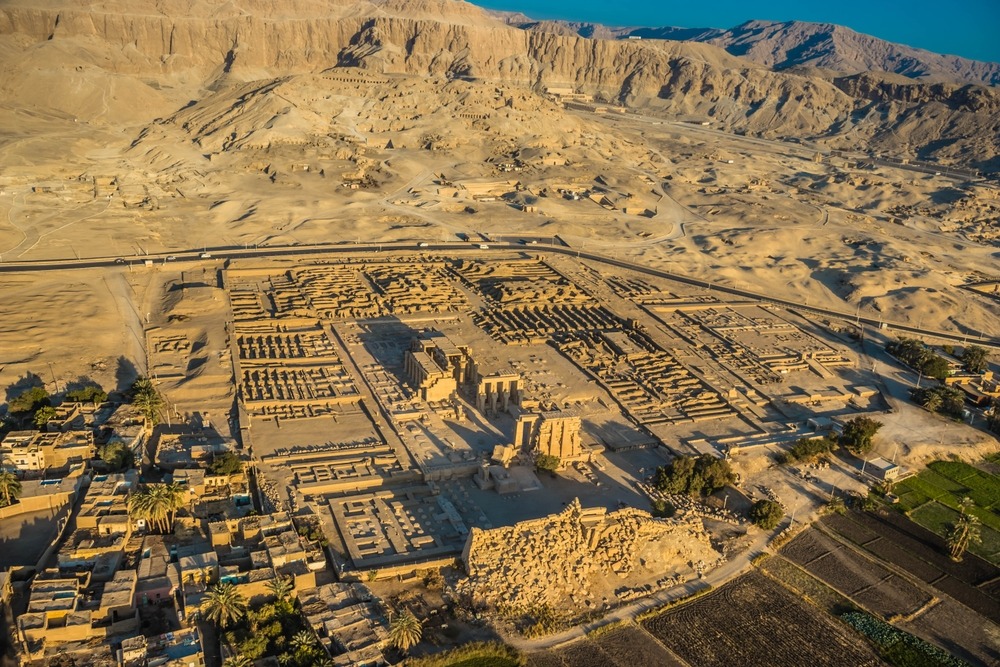
In contrast to the monumental exterior of the pyramids, the Valley of the Kings invites entry into the ancient worldview. Tombs carved deep into the rock reveal walls covered in vivid hieroglyphs and painted scenes that remain astonishingly vibrant. These images are not decorative; they are spiritual guides intended to assist the ruler’s passage into the afterlife.
Descending into these chambers shifts perception. Visitors move from observing history to inhabiting it, surrounded by beliefs preserved across thousands of years. The artistry and symbolism transform ancient Egypt from distant legend into a complex culture deeply concerned with continuity and rebirth.
Abu Simbel
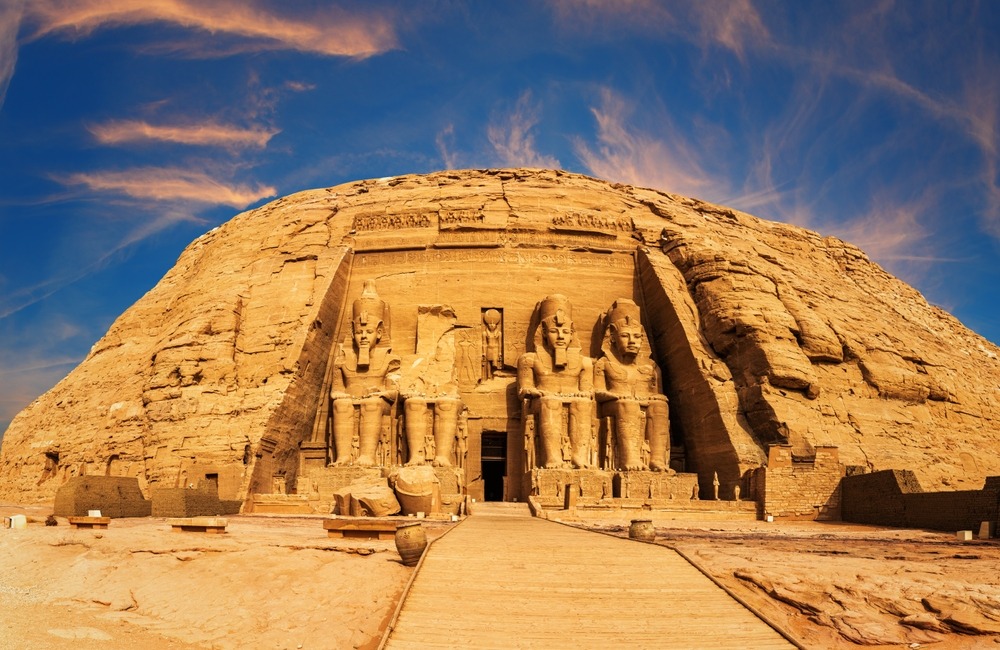
Set in a remote southern landscape, Abu Simbel carries an atmosphere of pilgrimage. The colossal seated figures carved directly into the mountainside appear almost theatrical against the desert light. The setting contributes as much as the architecture, emphasizing isolation and reverence.
Inside, halls extend into the rock, covered with reliefs celebrating kingship and divine favor. The temple’s modern relocation to preserve it from rising waters adds another layer of meaning — a reminder that its significance transcends centuries. Visitors often feel they are witnessing not just ancient craftsmanship but humanity’s collective effort to safeguard its heritage.
Karnak Temple Complex
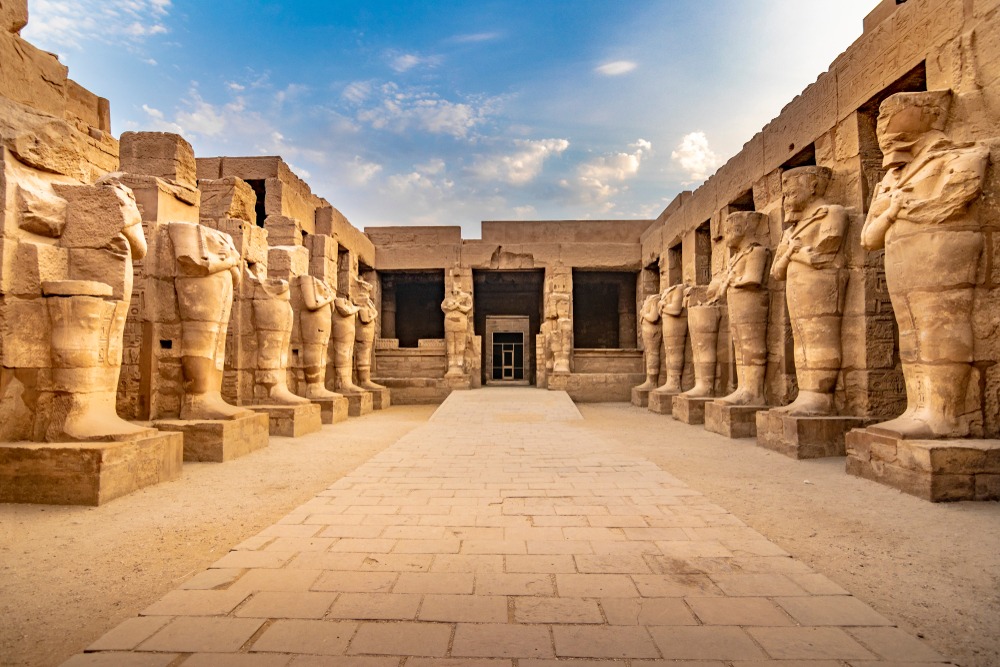
Karnak overwhelms through scale. Rather than a single structure, it is an immense complex developed over generations, each ruler contributing to its expansion. The towering columns of its great hall surround visitors with stone surfaces covered in carvings, creating an environment that feels architectural and natural at once.
Walking its avenues reveals the organized nature of Egyptian religion. Ceremonial spaces, sanctuaries, and obelisks illustrate a society structured around ritual. The site demonstrates how belief was woven into governance and daily life, presenting ancient Egypt as a functioning civilization rather than a mysterious relic.
Luxor Temple
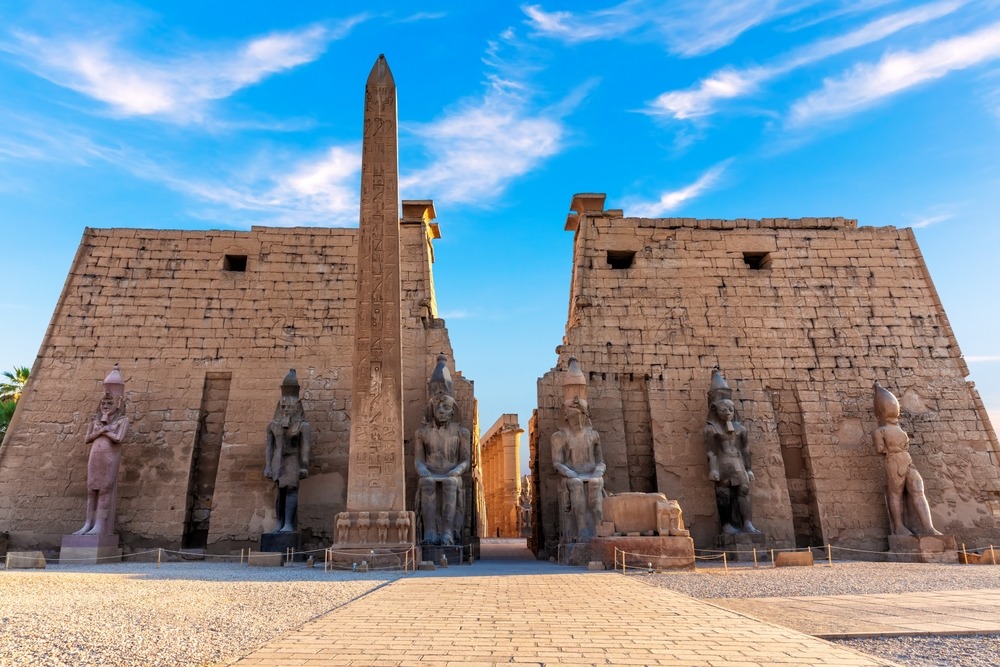
Luxor Temple offers a different impression. Located beside the Nile, it feels connected to ongoing life rather than separated from it. Courtyards and statues suggest ceremonial gatherings could resume at any moment, giving the site an unusual immediacy.
Over centuries, later cultures adapted the temple to their own needs, layering history rather than erasing it. This continuity allows visitors to sense time unfolding rather than ending. The monument becomes less a preserved ruin and more a place that has always belonged to human activity.
The Temple of Hatshepsut
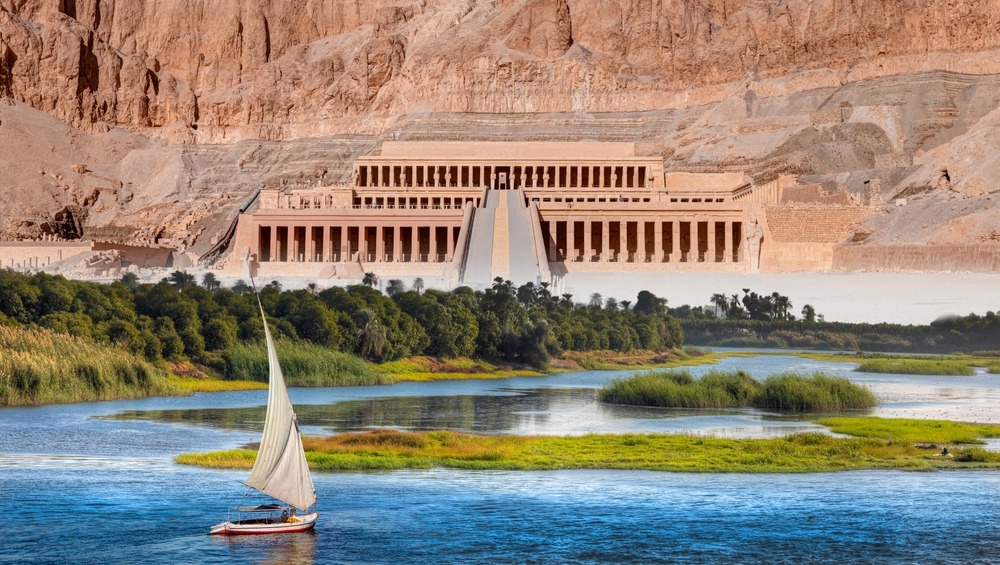
Rising in terraces against limestone cliffs, this temple stands apart visually and historically. Its symmetry and openness contrast with more enclosed sanctuaries. The surrounding landscape frames it dramatically, enhancing its architectural elegance.
The structure also preserves the story of a woman who ruled as pharaoh. Reliefs depict trade journeys and prosperity, emphasizing legitimacy through achievement rather than tradition. Visitors often remember the narrative as vividly as the architecture, connecting personally with a figure from a distant era.
Sailing the Nile by Felucca
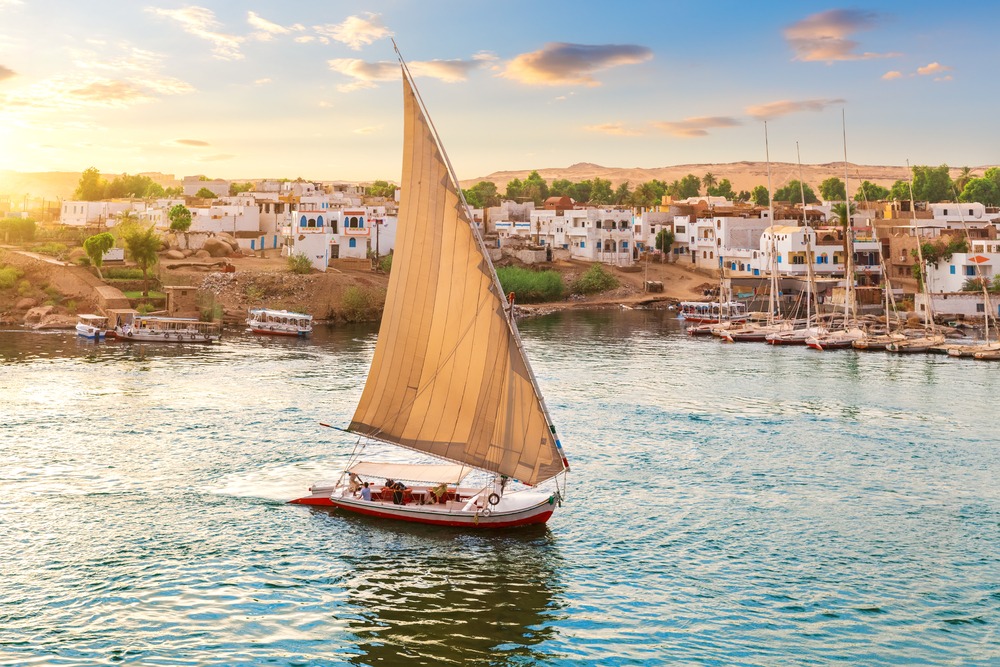
Gliding along the Nile in a traditional sailboat shifts attention away from monuments toward environment. The river moves quietly between green banks and desert horizons, revealing how geography shaped civilization. Fields, villages, and daily activity unfold much as they have for centuries.
This perspective clarifies why settlements, temples, and cities emerged where they did. The Nile ceases to be background scenery and becomes the central character in Egypt’s history. Many visitors recall this calm passage as the moment understanding replaces observation.
Khan el-Khalili Bazaar
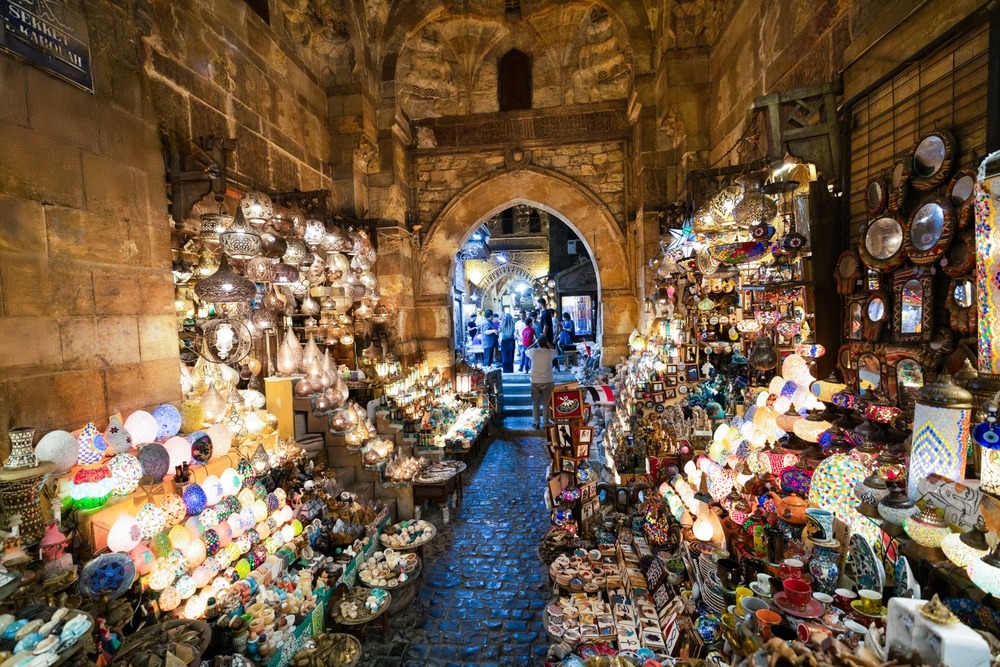
The markets of Cairo introduce a vibrant counterpoint to archaeological sites. Narrow streets fill with scent, color, conversation, and craftsmanship. Metal lamps glow beside textiles and spices, creating a sensory experience that feels timeless despite its modern setting.
Interacting within the bazaar connects visitors to living culture. The continuity between ancient trade routes and contemporary commerce becomes apparent. Rather than concluding history, the experience demonstrates its persistence — Egypt remains active, creative, and inhabited by traditions evolving across generations.
Understanding Egypt Through Experience
Seen together, these places form a layered understanding of the country. Some inspire awe through scale, others through intimacy, and others through human connection. Egypt reveals itself not through a single monument of travel but through varied encounters that move from observation to participation. By the end, visitors recognize the country not as a distant past but as a continuous civilization still expressing its identity today.