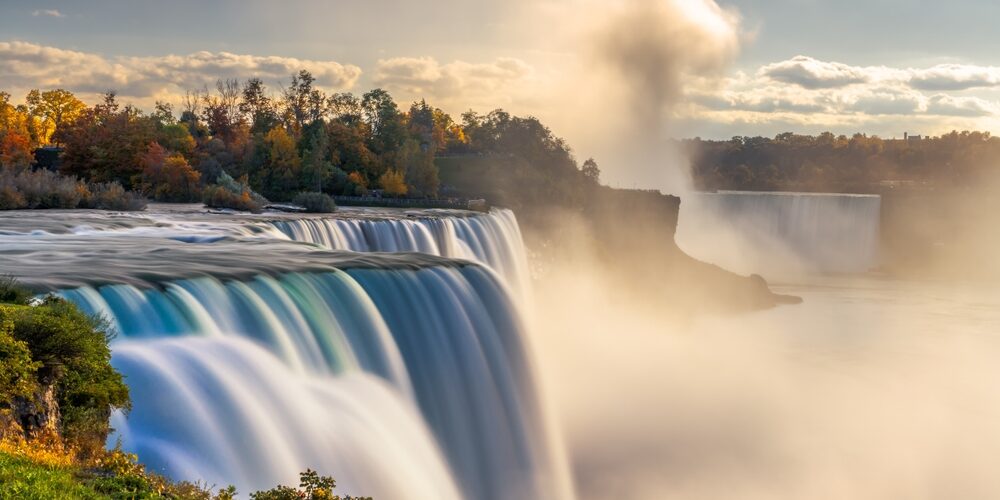
Niagara Falls: Stories of Survival and the Rise of a World-Class Tourism Destination
Niagara Falls has long captivated the world, not only for its sheer natural power but also for the incredible stories of people who were swept over its thundering cascades and survived. At the same time, these iconic falls evolved from a raw, untamed force of nature into one of the most recognizable and celebrated tourism destinations on the planet. This article weaves together both sides of Niagara’s legacy: the astonishing tales of survival and the remarkable journey that turned the falls into a global travel magnet.
Stories of People Who Survived Going Over the Falls
The fascination with Niagara Falls as a test of human daring stretches back more than a century. One of the earliest and most famous survival stories belongs to Annie Edson Taylor, a 63-year-old schoolteacher who became the first person to intentionally go over the Horseshoe Falls in a barrel in 1901. Although battered and bruised, she survived, hoping her stunt would bring fame and fortune—though it mostly brought danger and cautionary headlines.
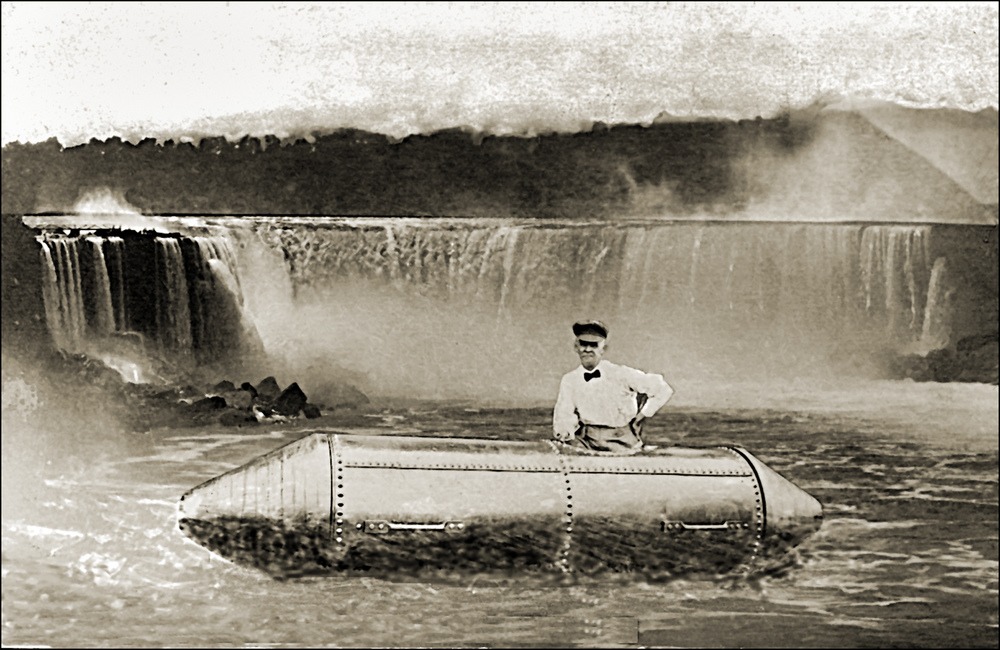
A decade later, Bobby Leach took on the falls in a steel barrel in 1911. While he survived, he suffered severe injuries, including broken legs, and spent months recovering. His stunt solidified Niagara’s reputation as a stage for thrill-seekers and daredevils willing to risk their lives for notoriety.
Some survival stories, however, were not acts of bravery but accidents with miraculous outcomes. The most famous is the 1960 rescue of seven-year-old Roger Woodward, who was thrown from a capsized boat and swept over the 188-foot Horseshoe Falls wearing only a life jacket. Against all odds, he survived and was pulled from the water by the crew of the Maid of the Mist.
Modern times have seen equally astonishing incidents. In 2003, a man named Kirk Jones went over Horseshoe Falls without any protective device and lived—a survival that stunned emergency responders and reinforced the message that such events are flukes, not feats to emulate. Authorities on both sides of the border have long emphasized that surviving a fall is exceedingly rare and never without life-altering danger.
How Niagara Falls Became a Major Tourism Destination
Today, Niagara Falls is synonymous with travel, romance, and natural wonder—but its rise to global fame was a gradual and transformative process. By the early 1800s, explorers, writers, and artists began visiting the falls, spreading awe-filled accounts that captivated the public imagination. As word spread, Niagara became a must-see location for travelers from both North America and Europe.
The tourism industry expanded rapidly in the second half of the 19th century. Railroads brought visitors by the thousands, and in 1885 both the United States and Canada created protected parks to preserve the natural beauty of the falls. These early conservation efforts ensured that, despite growing commercial development, the core spectacle remained untouched and accessible to all.
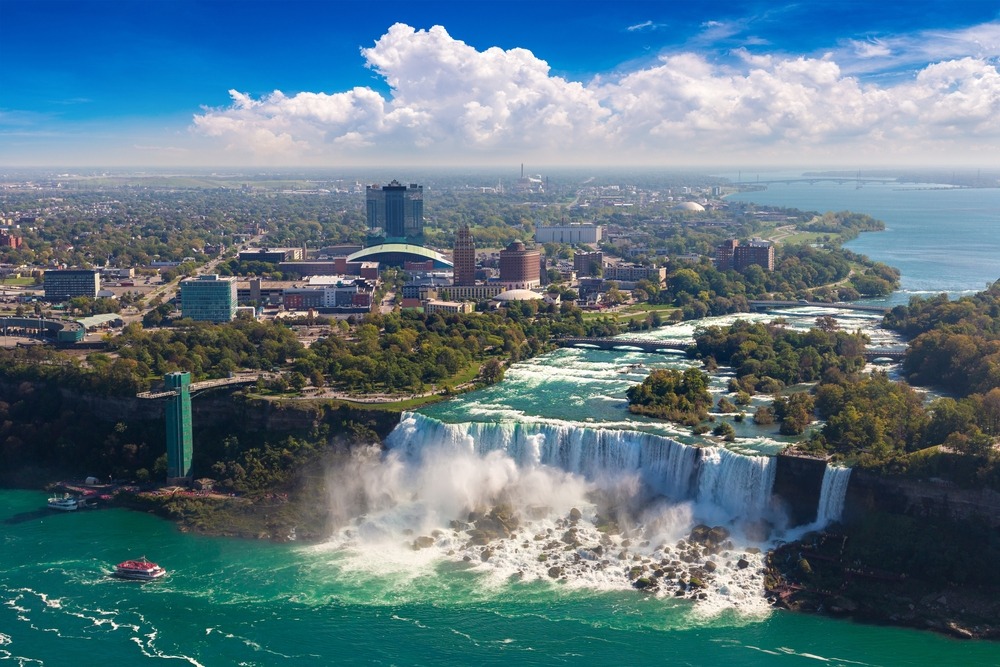
In the 20th century, Niagara Falls cemented its identity as the “Honeymoon Capital of the World.” Couples flocked to the region following cultural trends fueled by movies, travel magazines, and an emerging hospitality scene that tailored itself to romantic getaways. At the same time, iconic attractions such as the Maid of the Mist boat tours, scenic viewpoints, observation towers, and cross-border bridges deepened the region’s appeal.
Today the falls draw more than 12 million visitors each year. The surrounding tourism district includes museums, restaurants, casinos, entertainment promenades, and family attractions—yet the focus remains the breathtaking natural force that has inspired generations. Modern sustainability efforts aim to balance tourism with environmental protection, ensuring that Niagara retains its majesty for decades to come.