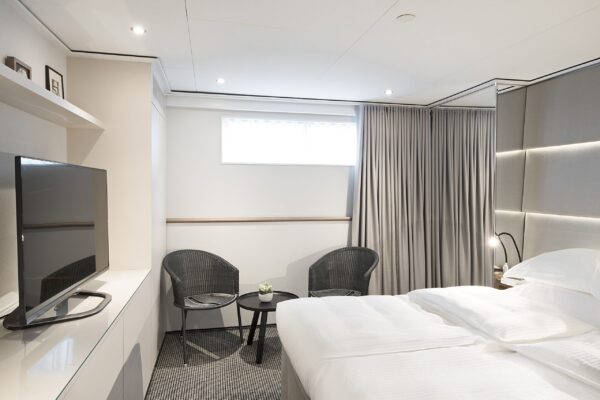
Rhine River Cruises: A Journey Through Europe’s Soul
There’s a reason the Rhine River is often described as Europe’s most iconic cruising waterway. From the Netherlands to Switzerland, the Rhine links centuries of trade, empire, faith, folklore, and everyday life, and it does so through a landscape that feels tailor-made for slow travel. A Rhine River cruise is not simply a convenient way to move between countries; it is a front-row seat to medieval skylines, vineyard slopes, castle-crowned cliffs, and cities that still carry the weight and beauty of their long histories.
What makes Rhine cruising so compelling is its constant variety. In a single itinerary, travelers can shift from canal-lined capitals to cathedral cities, from UNESCO-protected valleys to quiet wine villages, and from Germanic traditions to French elegance. Each bend in the river offers a different mood, and each port brings a new layer of culture that feels distinctly “Rhine,” yet unmistakably local.
Amsterdam, Netherlands: Canals, Culture, and a Grand Departure
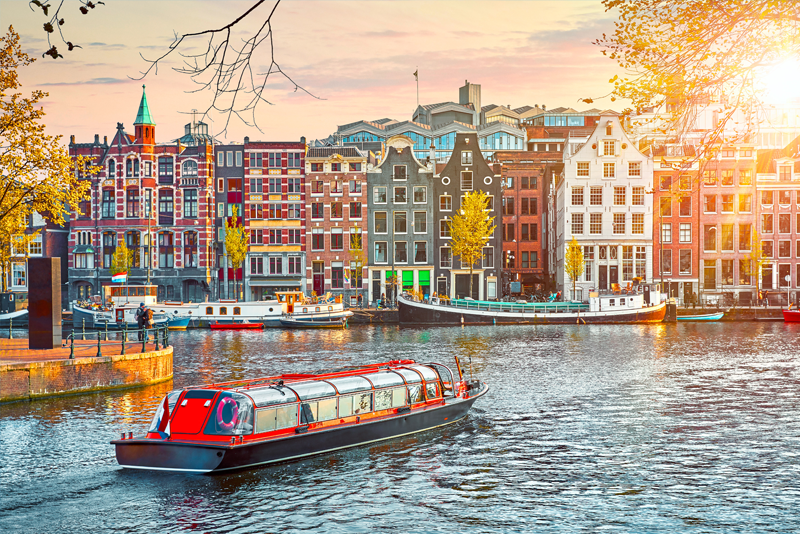
Many Rhine journeys begin in Amsterdam, a city whose identity is inseparable from water. The famous canal ring, lined with narrow gabled houses and arched bridges, creates an atmosphere that is both romantic and lived-in, as cyclists glide past houseboats and café terraces. Before embarking, travelers often explore the city’s museum scene, its historic neighborhoods, and the ever-changing energy of its markets and waterfronts.
Amsterdam is a perfect opening chapter because it introduces the core theme of a Rhine cruise: water as a storyteller. The canals reflect the Golden Age wealth that shaped the city, while the neighborhoods reveal Amsterdam’s modern creativity and international spirit. It’s a place where the trip begins with momentum, then softens into the calmer rhythms of river travel.
Cologne, Germany: Gothic Grandeur and Riverside Life
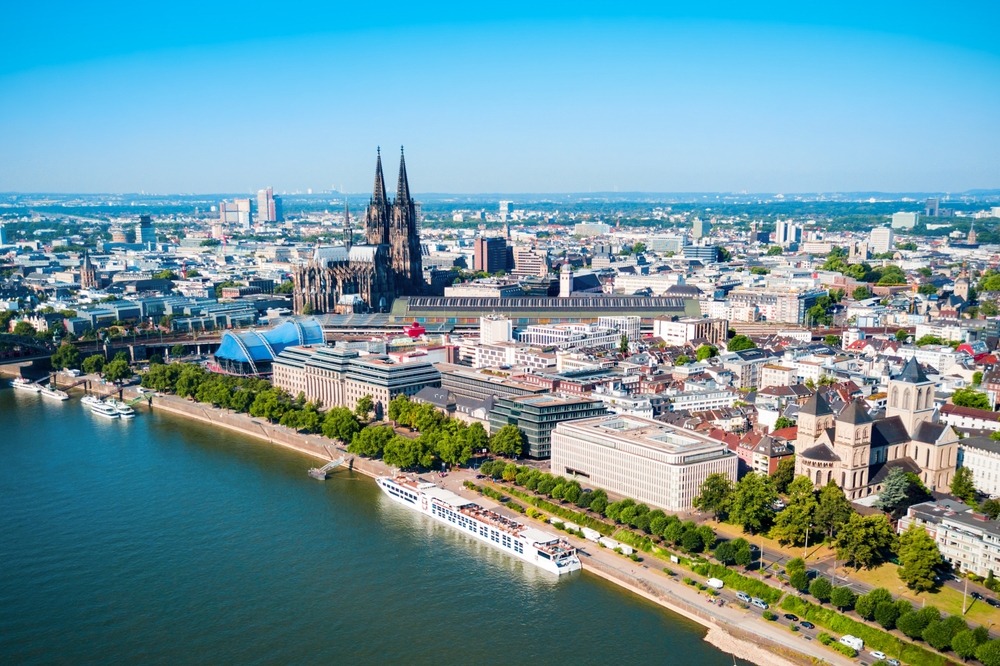
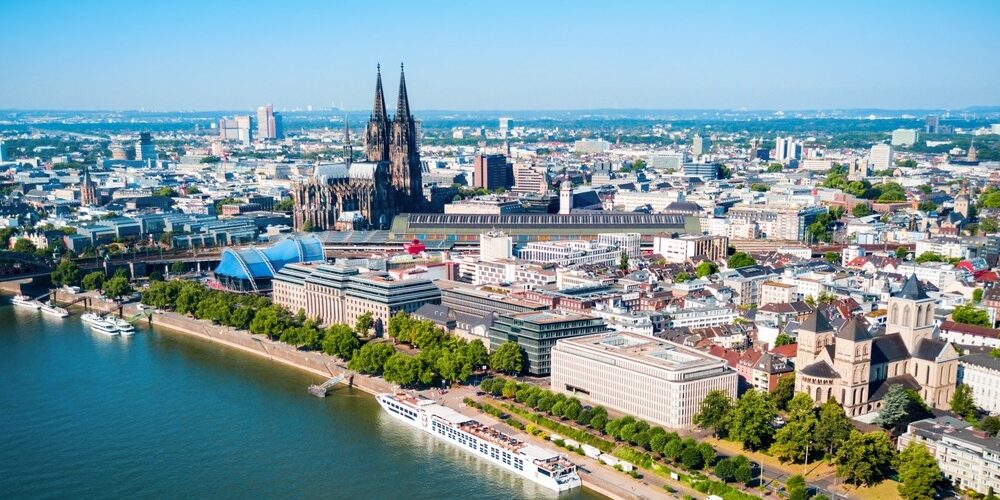
As the Rhine carries you into Germany, Cologne often stands out as one of the most visually dramatic arrivals. The city’s cathedral dominates the skyline with an unmistakable Gothic silhouette, rising high above the river like a monument to medieval ambition and devotion. Stepping ashore here feels like entering a living crossroads, where Roman-era roots, medieval architecture, and modern city life overlap in every direction.
Beyond the cathedral, Cologne invites wandering through historic streets, riverside promenades, and lively gathering spots that showcase local traditions. The city’s energy is a reminder that the Rhine is not only scenic but also deeply urban, linking major centers that have shaped Europe’s cultural and political story for centuries.
The Middle Rhine Valley: Castles, Legends, and the Romance of the River
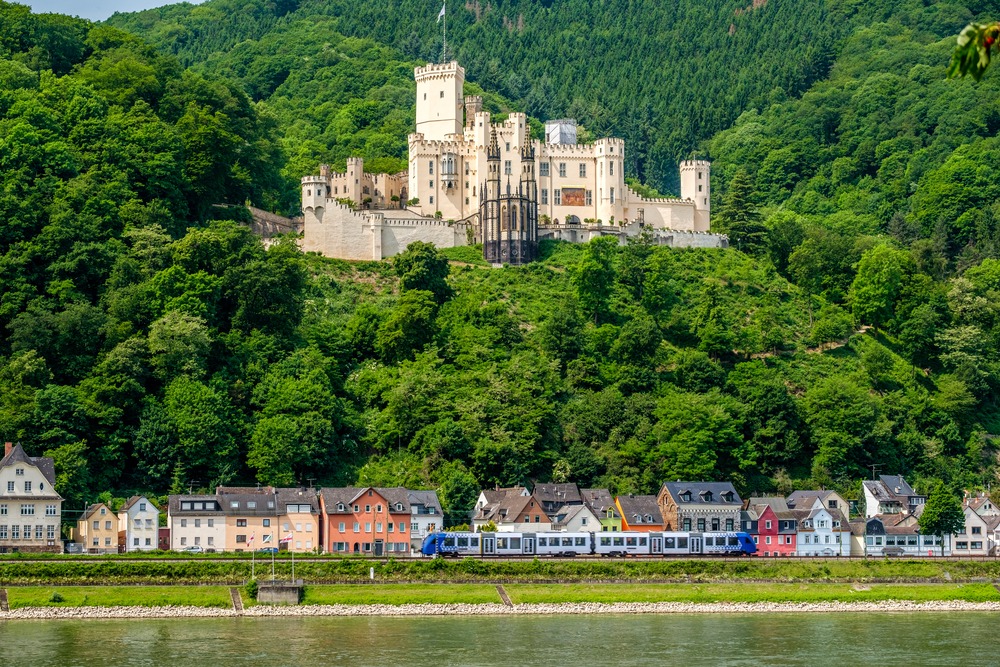
For many travelers, the most unforgettable portion of a Rhine River cruise is the Middle Rhine Valley, a legendary stretch where the river narrows and the scenery intensifies. Here, steep hillsides rise sharply from the water, vineyards cling to terraces, and castles appear with stunning frequency—perched on cliffs, tucked into folds of forest, or standing like sentinels above historic towns.
This is the Rhine of storybooks and songs, a region associated with the lore of the Lorelei and the long history of tolls, trade routes, and rival strongholds. Cruising through this valley is less about rushing to the next stop and more about watching the landscape unfold: towers, ruins, fortified walls, and the sense that almost every overlook once mattered strategically as much as it does aesthetically today.
Rüdesheim am Rhein: Riesling Country and Old-World Charm
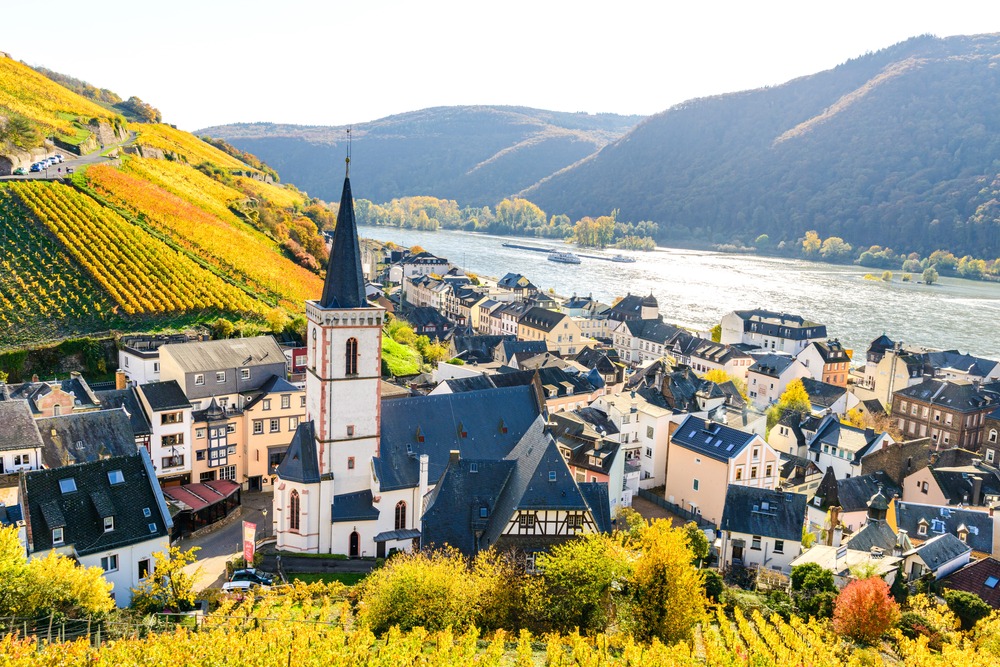
Rüdesheim feels like a welcoming pause in the journey, a town that embodies the Rhine’s wine culture and small-town warmth. The surrounding slopes are famous for white wines, especially Riesling, and the atmosphere encourages slow exploration—strolling cobbled lanes, sampling regional flavors, and soaking in the sense that viticulture here is not a trend but a long inheritance.
What makes Rüdesheim memorable is how easily it blends scenic beauty with cultural intimacy. This is a place where a short walk can lead to panoramic views, where traditional taverns feel rooted in place, and where the Rhine’s rhythm seems to slow just enough for travelers to notice the details: timbered facades, vineyard vistas, and the quiet confidence of a town shaped by the river’s constant presence.
Koblenz, Germany: Where Rivers Meet and History Converges
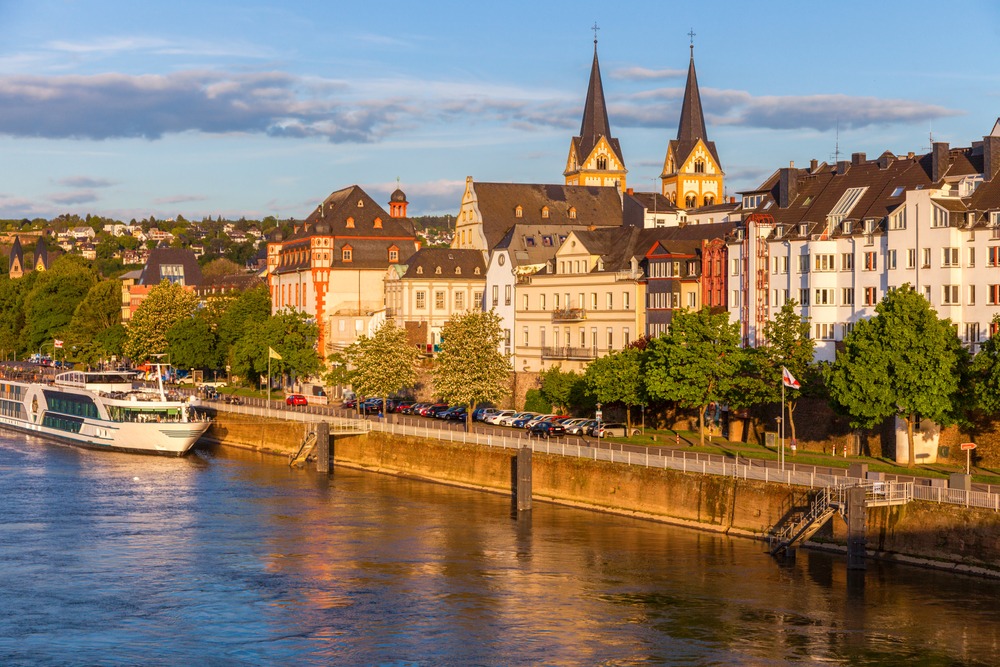
Koblenz is defined by geography in the most dramatic way—this is where the Rhine meets the Moselle, creating a celebrated confluence that has drawn attention for centuries. The city’s setting alone makes it captivating, with waterways, hills, and historic structures framing the scene. It’s easy to understand why this was a place of strategic importance, and why fortifications loom above the river corridors that helped shape the region’s fortunes.
In Koblenz, the Rhine feels powerful and purposeful, a reminder that river cruising is not just about scenery but about the historical reality of movement—of armies, merchants, ideas, and cultures. Exploring here often feels like stepping into a chapter about how rivers create cities, and how a single geographic point can carry centuries of significance.
Mainz, Germany: Roman Roots and the Echo of Innovation
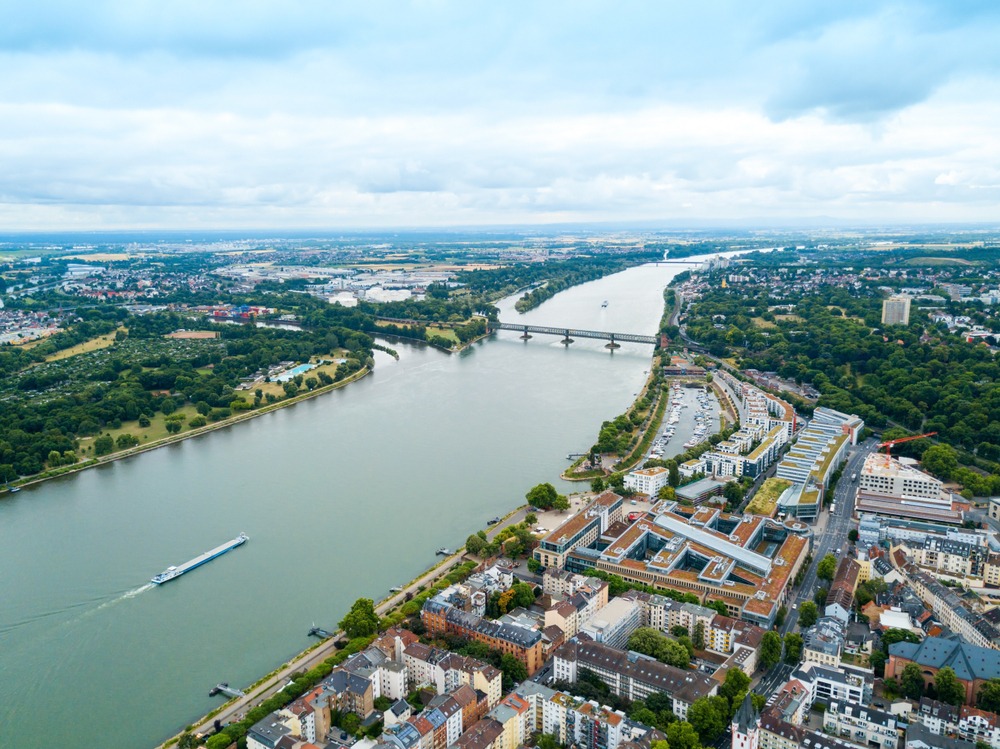
Mainz adds depth to the Rhine experience by revealing the region’s long continuity from the ancient world into the modern era. With strong Roman associations and a later role as a center of learning and innovation, Mainz offers travelers a chance to connect the Rhine’s scenic beauty with the intellectual and civic history that flourished along its banks.
Walking through Mainz can feel like moving through layered time. Historic buildings and churches stand beside lively squares, and the atmosphere carries a blend of scholarship, faith, and local pride. It’s a destination that highlights how the Rhine has supported not only commerce, but also cultural and technological change that rippled far beyond the river itself.
Strasbourg, France: Alsace Character and a Cathedral City’s Grace
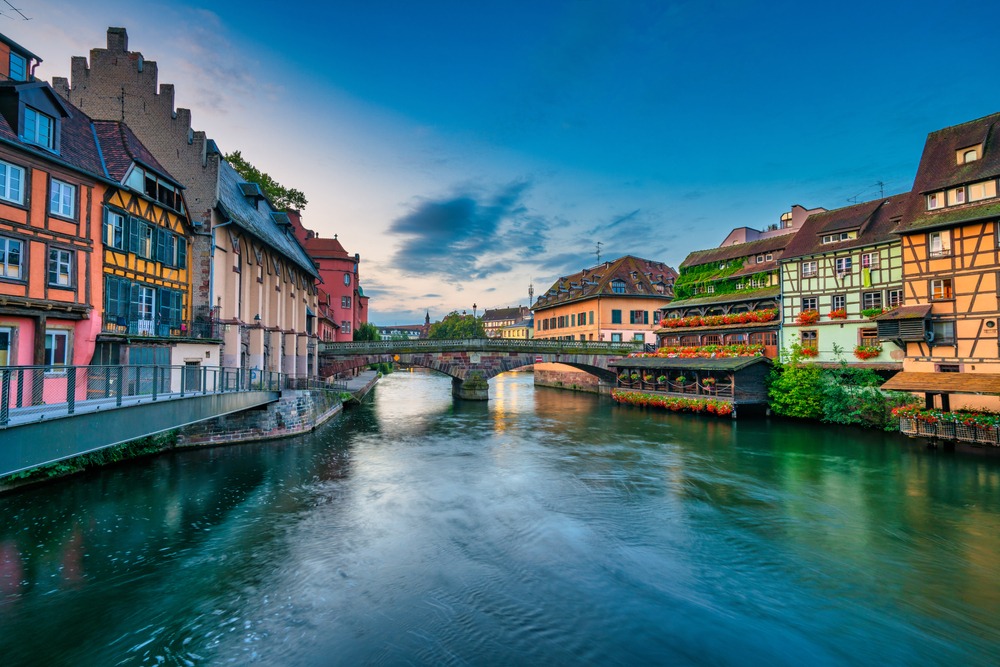
Strasbourg brings a distinctly different flavor to the Rhine, introducing the cultural blend that defines Alsace. Here, French elegance meets Germanic tradition in architecture, cuisine, and local identity. The old city’s canals and half-timbered buildings create a setting that feels both storybook and sophisticated, inviting travelers to linger in scenic lanes and lively squares.
Strasbourg’s cathedral is a centerpiece that anchors the city’s historic presence, while the broader atmosphere offers a pleasant contrast to the German Rhine ports. The experience here often feels like stepping across a cultural seam—still recognizably Rhine, but with its own language of beauty, flavor, and heritage.
Breisach and the Upper Rhine: Gateway to the Black Forest and Quiet Beauty
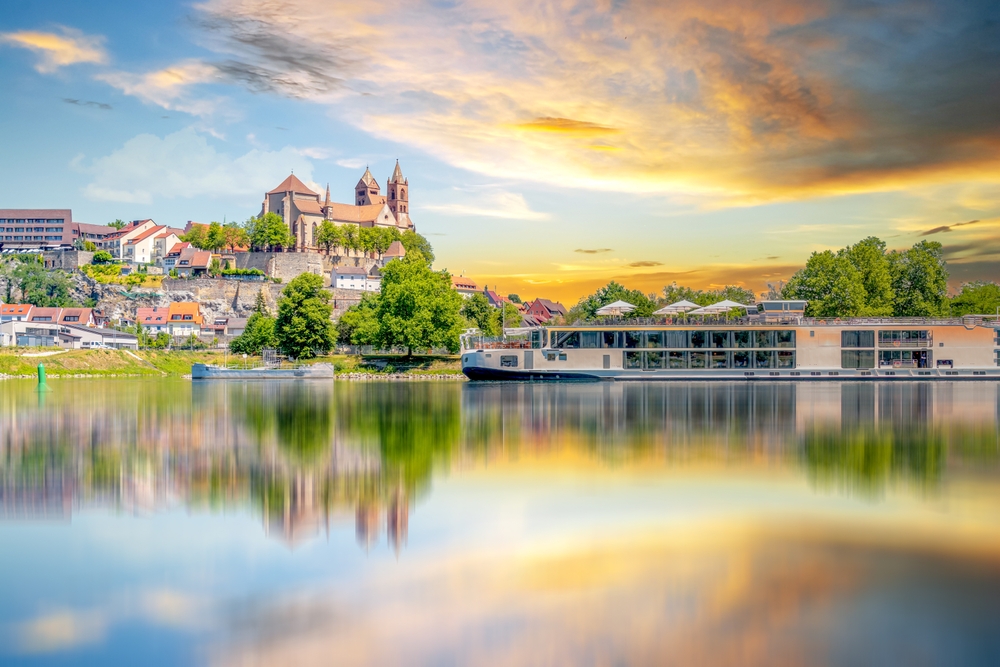
Smaller ports along the Upper Rhine, such as Breisach, provide a softer, more pastoral counterpoint to the grander cities. These stops often connect travelers to regions known for scenic countryside, traditional villages, and the kinds of landscapes that feel timeless—vineyards, wooded hills, and small towns where daily life still seems to move at an unhurried pace.
These moments matter because they round out the Rhine story. The river is not only defined by monumental cathedrals and dramatic castles, but also by the gentle, human-scale places where wine is made, regional recipes endure, and the countryside becomes part of the cruise’s most relaxing pleasure: simply watching Europe glide by.
Basel, Switzerland: A Refined Finale Near the Alps
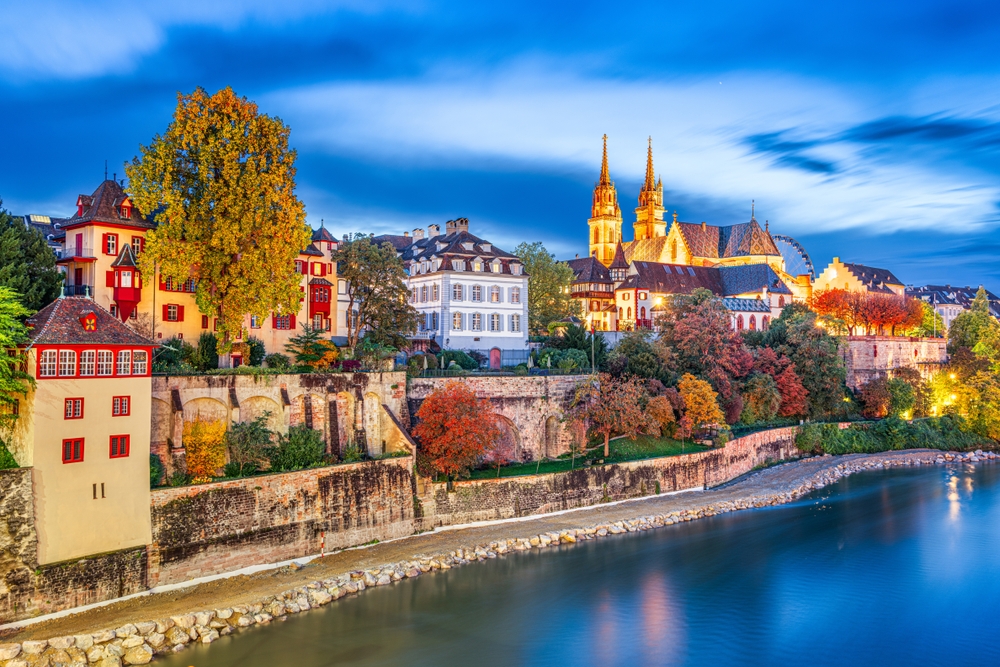
Basel often serves as a fitting conclusion to a Rhine itinerary, bringing travelers to a city that feels polished, artistic, and historically grounded. Its old town invites leisurely exploration, and its museums and cultural institutions reflect a long-standing commitment to the arts. Basel’s setting also hints at the Alps beyond, giving the end of the journey a sense of geographic and emotional arrival.
Ending in Basel feels like closing a book whose chapters have moved from canal city to castle valley to cross-cultural borderlands. By the time travelers reach this point, the Rhine is no longer simply a route on a map—it becomes a remembered sequence of places, flavors, skylines, and stories, stitched together by the calm continuity of the river itself.
Why Rhine River Cruises Stay With You
A Rhine River cruise stands out because it delivers an uncommon mix of comfort and depth. Days are shaped by gentle pacing and close-to-the-water views, while ports offer real encounters with Europe’s architectural heritage, legendary landscapes, and everyday traditions. The river itself becomes the connective tissue, making even the transitions between destinations feel like part of the experience rather than time “in transit.”
Whether a traveler is drawn by medieval castles, cathedral cities, vineyard culture, or the simple pleasure of watching the riverbanks drift past at sunrise, the Rhine offers a journey that feels both classic and continually surprising. It’s Europe told in a continuous line—one river, many worlds, and a cruise that makes history feel beautifully close.