The Golden Circle in Iceland: A Journey Through Fire, Ice, and History
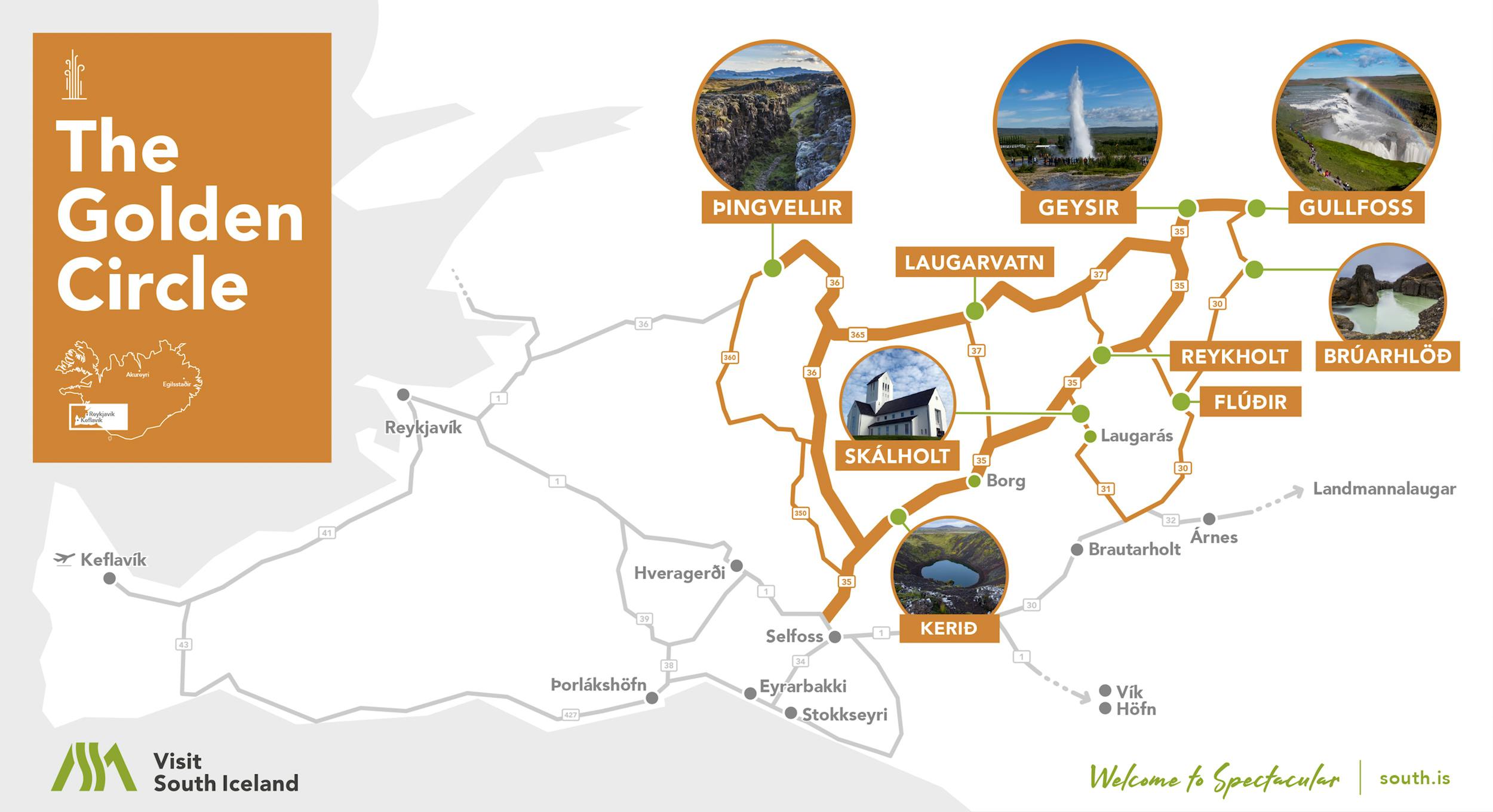
The Golden Circle is one of Iceland’s most iconic travel routes, drawing thousands of visitors each year who seek a concentrated taste of the island’s unique geology, history, and natural beauty. Located within a manageable day trip from Reykjavík, the route connects three of Iceland’s most celebrated attractions—Þingvellir National Park, the Geysir geothermal area, and Gullfoss waterfall. Yet the Golden Circle is far more than a checklist of famous stops. It is a journey through the raw forces that shaped Iceland, a lesson in how landscapes trigger imagination, and a reminder that one small region can hold centuries of cultural significance and geological wonder.
Þingvellir National Park: Where History Meets Tectonic Power
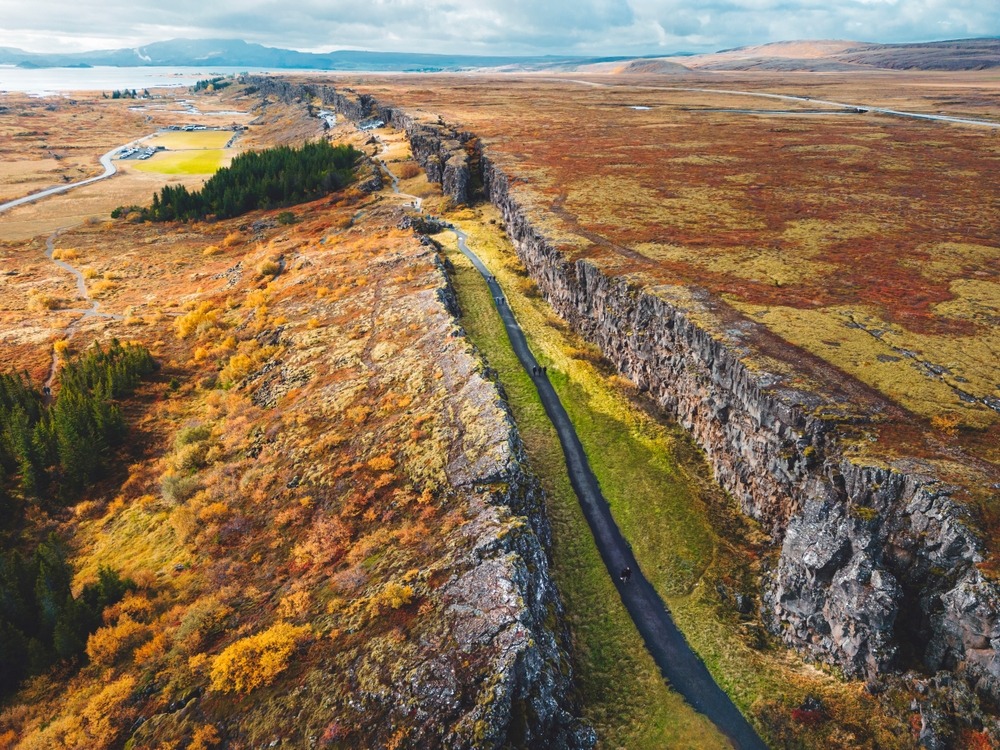
The first major stop on most routes is Þingvellir (Thingvellir) National Park, a place where Icelandic identity and Earth’s tectonic dynamism intertwine. This UNESCO World Heritage Site marks the location of the world’s oldest surviving parliament, the Althing, established in 930 CE. For nearly nine centuries, chieftains and citizens gathered here to shape laws, settle disputes, and carry out judgments. Today, travelers can walk the same plains where laws were spoken aloud and alliances forged, gaining insight into the development of Iceland’s remarkably literate and democratic culture.
Beyond its historical weight, Þingvellir sits directly atop the Mid-Atlantic Ridge, the geological boundary separating the North American and Eurasian tectonic plates. The valley’s dramatic fissures, cliffs, and rift lakes reveal the slow but persistent tearing apart of continents. Almannagjá gorge offers one of the clearest visualizations of tectonic drift, while the crystal-clear waters of Silfra fissure allow adventurous visitors to snorkel or dive between plates in astonishing visibility. The combination of political heritage, geological education, and cinematic scenery makes Þingvellir a profound beginning to the Golden Circle.
The Geysir Geothermal Field: Iceland’s Boiling Earth
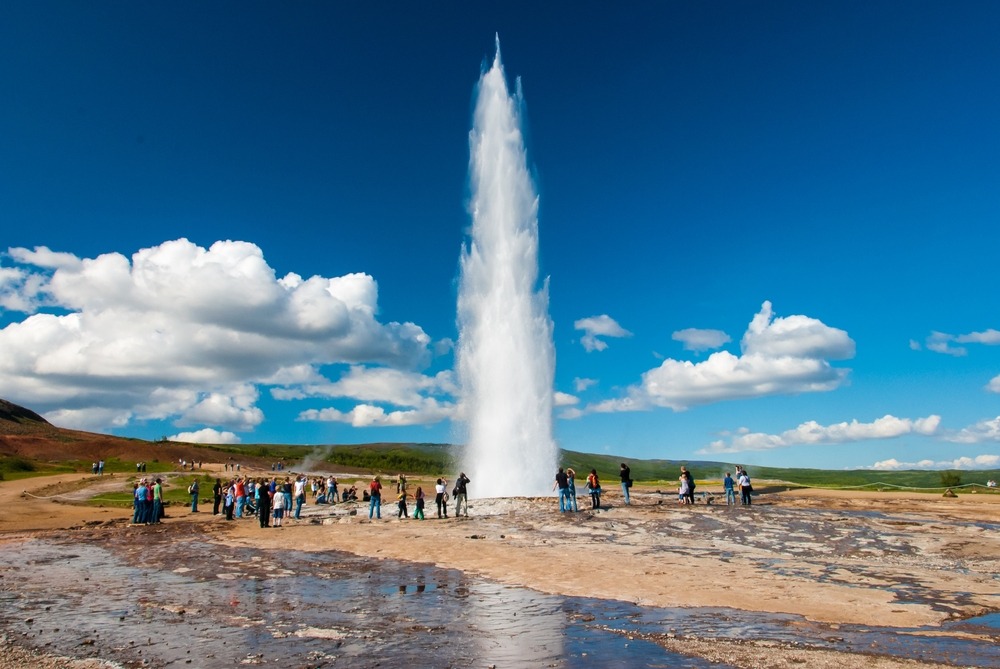
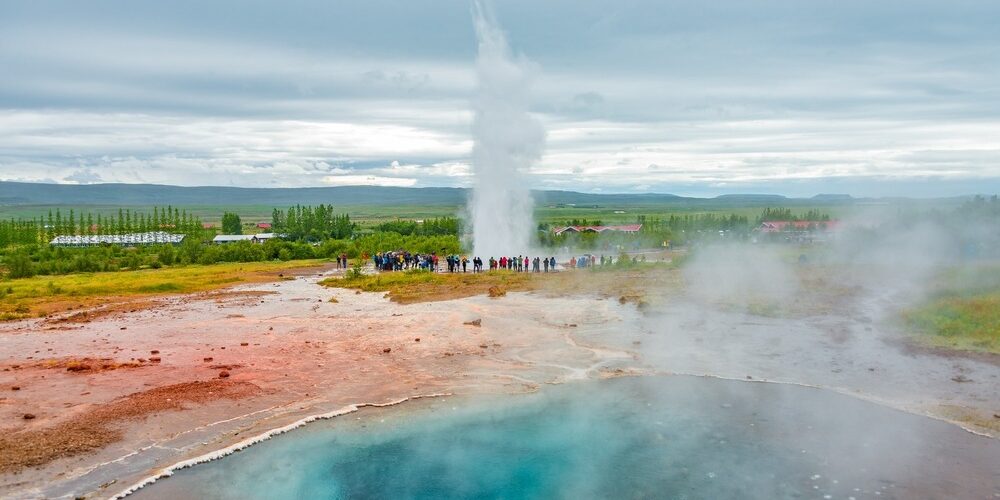
A short drive from Þingvellir leads to the geothermal region of Haukadalur, home to active geysers, steaming vents, colorful hot springs, and sulfur-scented landscapes. The area’s most famous feature is Geysir, the namesake of all geysers worldwide. Although Geysir itself erupts infrequently today, its neighbor Strokkur provides a thrilling and reliable spectacle, launching columns of boiling water high into the air at regular intervals. Watching the ground tremble, the water dome swell, and the final burst shoot skyward brings travelers astonishingly close to the planet’s inner heat.
The geothermal field is more than a backdrop for dramatic eruptions. Vivid mineral pools and steaming mud pots tell the story of volcanic forces beneath the surface. Iceland sits atop the Mid-Atlantic Ridge and a mantle plume, making it one of the most geologically active locations on Earth. The Geysir basin offers a chance to witness geothermal energy in action, and its existence has directly shaped Iceland’s culture, economy, and infrastructure. The majority of Icelandic homes are heated using geothermal power, and visiting Haukadalur provides a visceral understanding of how nature fuels daily life.
Gullfoss Waterfall: The Golden Cascade
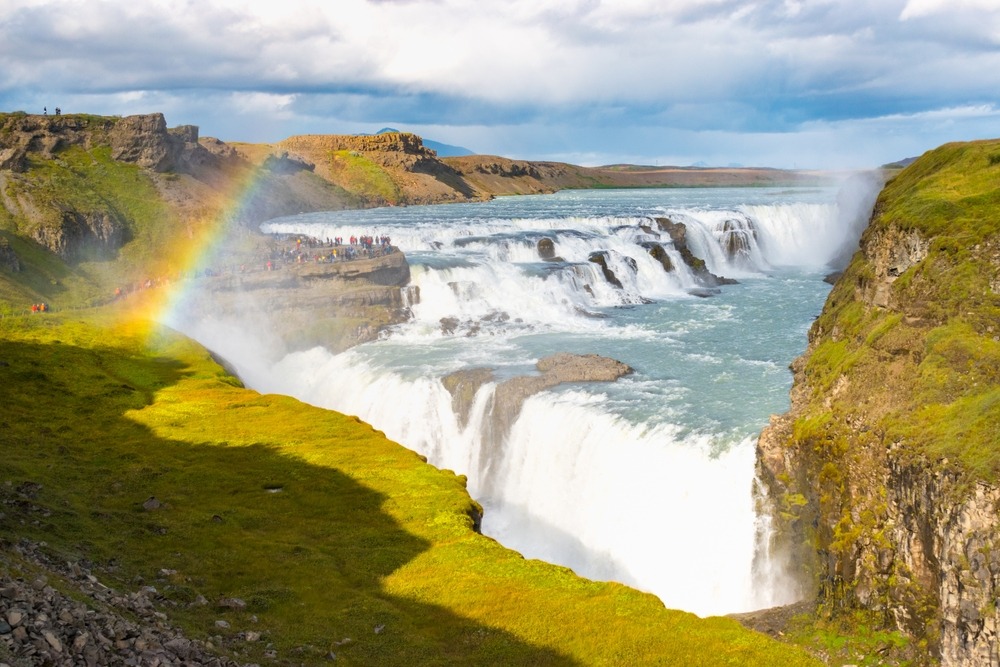
The final primary stop on the Golden Circle is Gullfoss, one of Iceland’s most cherished natural landmarks. The Hvítá River plunges in two dramatic stages into a rugged canyon, creating a roaring curtain of whitewater that, under the right conditions, fills the air with rainbows. The name Gullfoss means “Golden Falls,” likely inspired by the golden hues that appear on the water during sunny or low-light moments. Observing the falls from the viewing paths reveals multiple perspectives: from above, where the river seems to vanish into an unseen chasm, and from lower platforms, where spray and thunderous sound amplify the sensory impact.
Gullfoss also carries a story of preservation. In the early 20th century, industrial interests sought to harness the waterfall for hydroelectric power. A local farmer’s daughter, Sigríður Tómasdóttir, famously fought against the plans, traveling repeatedly to Reykjavík and threatening drastic action if the falls were damaged. Though the legal battle was complex and not always portrayed accurately in legend, her efforts helped establish a cultural precedent for protecting Iceland’s natural heritage. Today, Gullfoss stands not only as a natural marvel but as a symbol of environmental stewardship.
The Surrounding Countryside and Hidden Additions
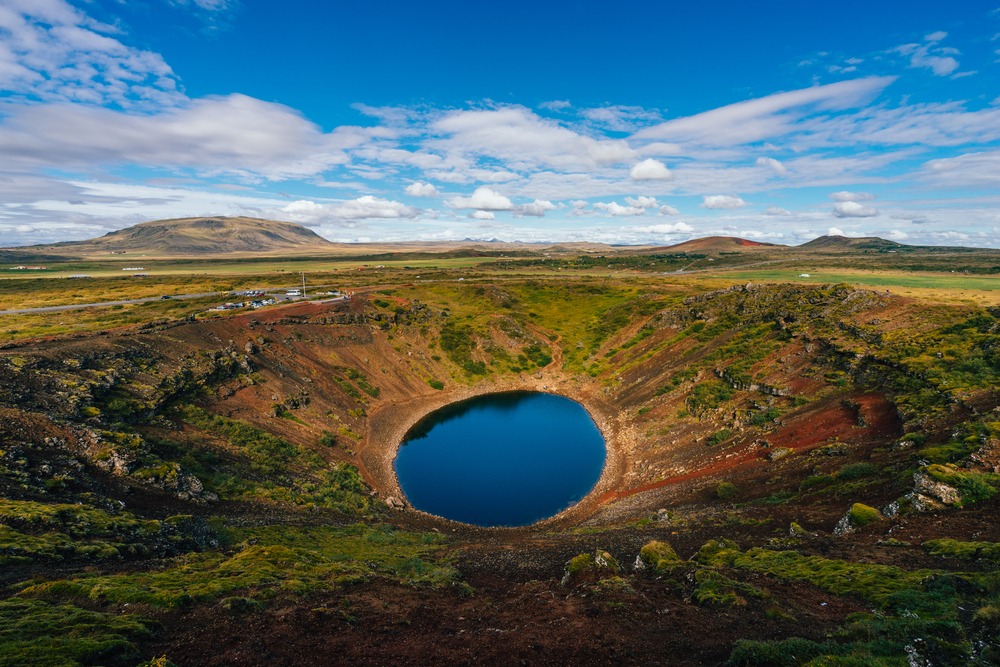
While the classic trio defines the Golden Circle, the landscapes between them expand the journey’s richness. The farmland and lava fields surrounding the route display how Icelanders have adapted to volcanic soils and a short growing season. Small greenhouses heated by geothermal energy, Icelandic horses grazing in open pastures, and isolated farmhouses evoke the resilience of rural life. Travelers who wish to go beyond the standard route often include places such as the volcanic crater Kerið, the village of Laugarvatn with its geothermal baths, and the Friðheimar tomato farm where visitors can dine in a greenhouse warmed by the earth itself. These additions reveal the human side of Iceland’s relationship with nature and how ingenuity made life possible in such a challenging environment.
An Accessible Introduction to Iceland’s Identity
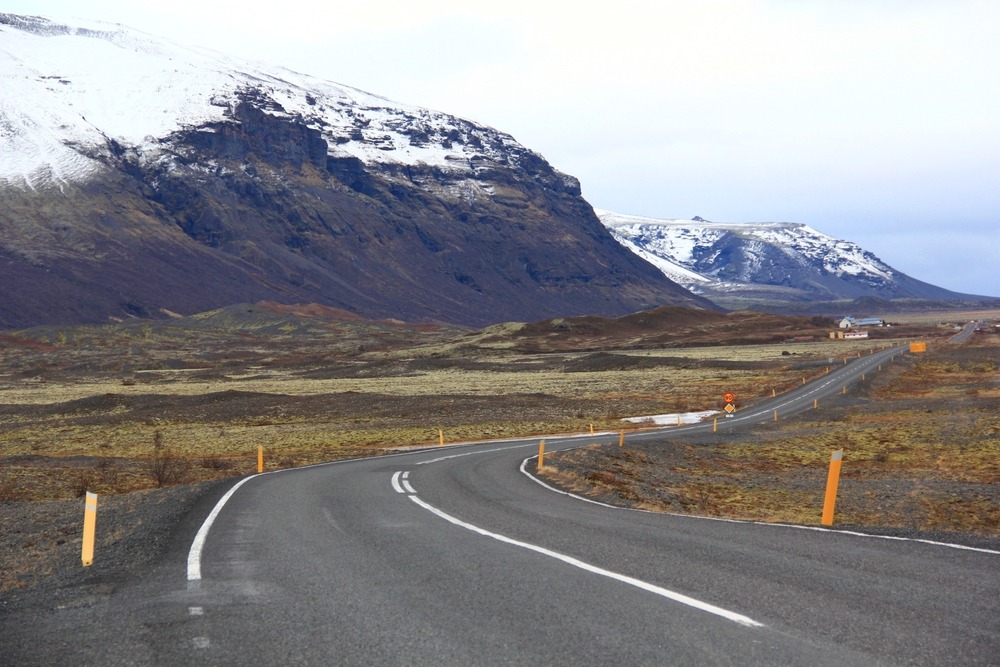
The Golden Circle succeeds not simply because of convenience or proximity to Reykjavík, but because it distills Iceland’s spirit into a single loop. Nowhere else can visitors encounter Viking-era governance, continental rifting, geyser eruptions, and glacial rivers within such a short span. The route introduces the island’s dual nature—serene on the surface yet driven by fire below. It demonstrates how Icelanders learned to harness geothermal heat, preserve landscapes, and interpret their environment with a blend of practicality and folklore. For first-time visitors, the Golden Circle provides an ideal orientation; for repeat travelers, it remains a place worth revisiting in different seasons, weather conditions, and light.
A Journey like no other
The Golden Circle is a journey through the forces that created Iceland, the history that shaped its people, and the beauty that continues to astonish travelers. Þingvellir tells the story of democracy and shifting continents, the Geysir area reveals the boiling energy beneath the crust, and Gullfoss showcases the raw power of glacial rivers carving ancient valleys. Together they form a microcosm of Iceland itself—wild, dramatic, culturally rich, and scientifically fascinating. Whether visited as a day trip or explored at a slower pace with side stops and seasonal attractions, the Golden Circle remains one of the most essential experiences in the Land of Fire and Ice.