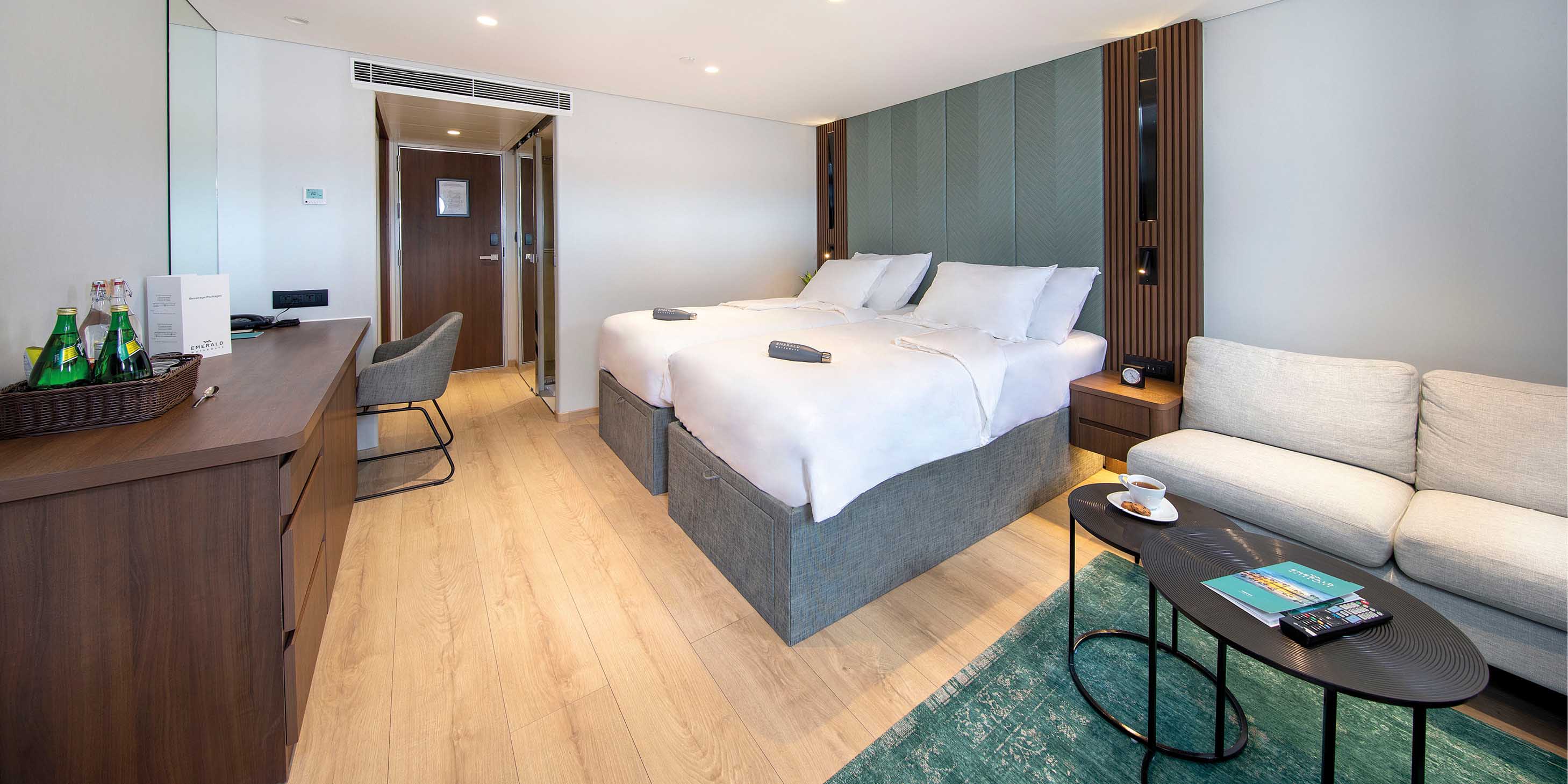





These grand suites include a host of special features and services. Curl up in your lounge with a kindle e-book from your in-suite library and sip your favorite aperitif, personally delivered by your butler – all before enjoying an intimate dining experience, in the plush and private surroundings of your suite. Even from the comfort of your bedroom, you’ll never miss a photo opportunity – access the outside world through your drop-down balcony window, with the gentle touch of a button, and with your in-suite binoculars.
The Rare Blue “Werewere-kōkako”: Meeting Entoloma hochstetteri in New Zealand’s Native Forest
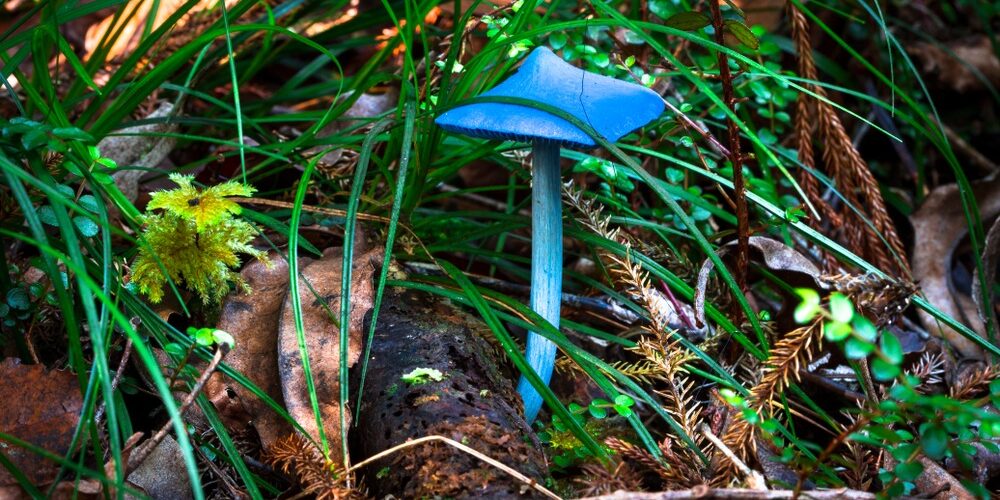
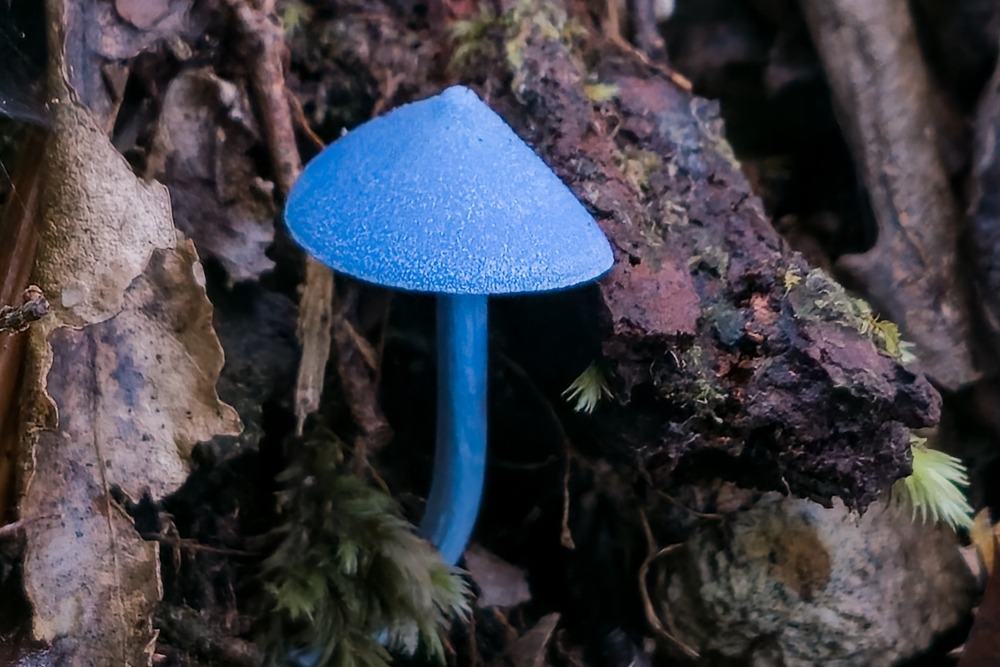
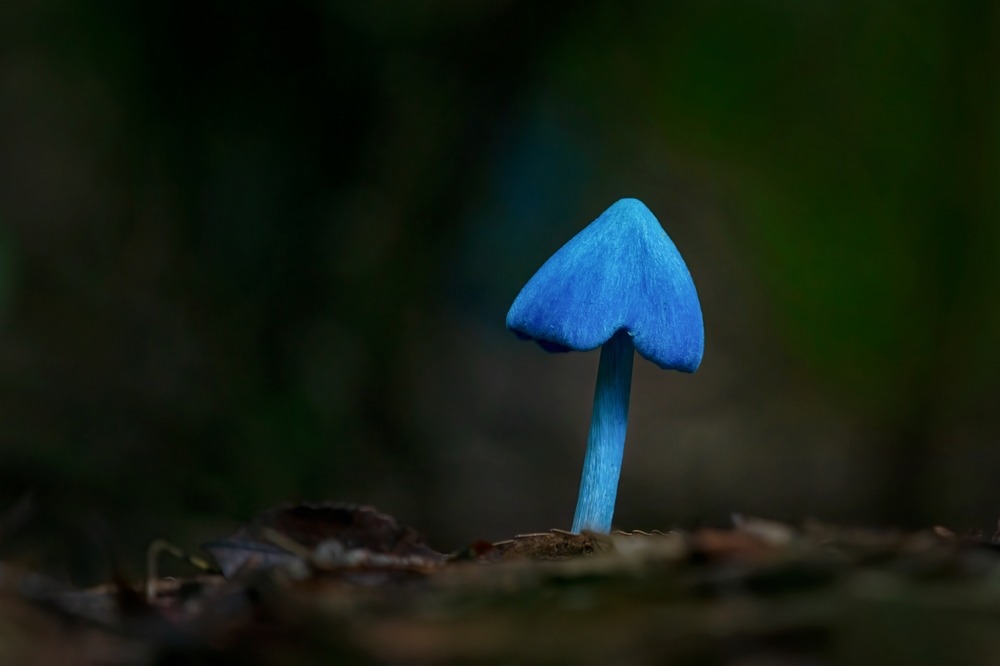
Entoloma hochstetteri—often nicknamed the “blue pinkgill” or “sky-blue mushroom”—is one of the most visually striking fungi associated with New Zealand. Its cap and stem can appear an almost unreal cobalt blue, while the gills may take on a subtle pinkish cast as the spores mature. The pigment responsible is linked to azulene-type compounds, and its edibility or toxicity is generally treated as uncertain, which is why it’s best approached as a natural wonder to observe rather than something to harvest.
Natural Habitat: Where This Mushroom Actually Lives
Even though it’s famous, E. hochstetteri is not something you can count on seeing with casual hiking. It fruits on the forest floor, emerging from soil among leaf litter, moss, and damp organic debris. The habitat most often associated with it is New Zealand’s native broadleaf and podocarp forests—the classic “deep bush” ecosystem where moisture is held in the ground layer and the canopy keeps conditions cool and shaded.
In practical terms, that means the best environments are the ones that feel quietly humid: mossy pockets near tree bases, shaded hollows where leaves collect, and areas where the litter layer stays springy rather than dry and crunchy. These are exactly the microhabitats that can exist only a few feet from a trail, but they’re easy to overlook unless you slow down and actually scan the ground.
Seasonality: Why Timing Matters More Than People Expect
One major reason travelers call E. hochstetteri “rare” is that it is seasonal and brief above ground. Even when the organism is present below the surface, it only produces visible fruiting bodies when conditions align. Generally, sightings are associated with New Zealand’s warmer months into autumn, especially when rainfall and humidity keep the forest floor consistently damp.
This is why someone can hike the same track twice and have two completely different experiences. The first time, the forest may look perfect but show nothing. The second time—after rain, with the right temperature and moisture—the mushroom can suddenly appear in a place you already walked past.
A Mushroom With a Cultural Identity
The mushroom’s Māori name, werewere-kōkako, is often explained as a reference to the kōkako bird, whose blue wattles echo the mushroom’s vivid hue. That association, along with the mushroom’s unmistakable color, has helped it become a symbol of New Zealand’s biodiversity—an example of how the country’s forests hold forms of life that feel almost otherworldly to visitors.
Why You Usually Only See It by Visiting New Zealand
E. hochstetteri is strongly tied to New Zealand in both science and popular culture. It is widely described as native to the country and has become a kind of unofficial emblem of New Zealand’s distinctive fungi. It even appears in national imagery, which has helped turn an obscure woodland mushroom into something many travelers recognize by name.
Although there are occasional references to similar sightings elsewhere, travelers seeking the classic “werewere-kōkako” encounter generally focus on New Zealand’s native forests, where the species has its strongest identity and where the landscape context matches the stories that made it famous.
Why It Often Takes Going “Off the Main Path” to Spot One
Even in places where E. hochstetteri occurs, it typically isn’t visible from a quick glance down at a busy walkway. The mushroom is small and often appears as a single specimen or a tiny cluster rather than carpeting the ground. It can also be hidden by the visual noise of leaf litter, shadows, and moss—meaning that even a bright blue mushroom can be surprisingly easy to miss.
That’s why many real encounters happen when people step out of the fast tourist rhythm. “Off the main path” does not have to mean leaving permitted areas or breaking rules. More often, it means choosing quieter tracks, visiting less trafficked forest pockets, and moving at a slow, naturalist pace where you pause, look carefully into mossy margins, and let your eyes adjust to the details of the forest floor.
How to Seek It Respectfully as a Visitor
When touring New Zealand, if you want the best chance of seeing E. hochstetteri, prioritize intact native forest, plan your hiking around seasons and weather patterns that keep the ground moist, and adopt a slow viewing style that protects the habitat. The mushroom’s home is the living surface of the forest floor, where moss, leaf litter, and delicate fungal networks interact, so it’s important not to trample soft edges or disturb the ground layer while searching.
Think of it as a “look, photograph, and leave” discovery. The reward comes from noticing what the forest is offering in that moment, without taking anything away from a system that depends on being left intact.
Why It Feels So Special When You Finally See One
The appeal of E. hochstetteri isn’t only its color—it’s the way it concentrates the New Zealand travel experience into a single, easily missed moment. You can’t schedule it like a viewpoint. You have to be in the right kind of forest at the right time of year under the right conditions, and you have to move slowly enough to notice something thumb-sized rising from moss and leaf litter.
That combination of place, timing, and attentiveness is why so many people describe seeing the blue mushroom as something you can only truly experience by visiting New Zealand—and then lingering beyond the obvious highlights long enough for the bush to reveal its quieter wonders.