The Unique Saint Lucia Christmas Celebration of Scandinavia
Because of its location in the far northern hemisphere, the region of Scandinavia experiences long, perpetually dark winters. As the earth tilts away from the sun at the end of the year, these Northern European countries experience entire days with only a few hours to no sunlight at all for months on end, as well as frigid temperatures and heavy snow. To foreigners, this winter season may seem like an intense combination of all of the most unpleasant struggles of the season, but to Scandinavians, it offers the perfect reason to join together and show gratitude. Despite the harsh weather, Christmas time in Scandinavia is uniquely magical, with pagan and Christian traditions combining to bring light and hope into a season that would otherwise seem oppressively bleak.
Celebrating Generosity
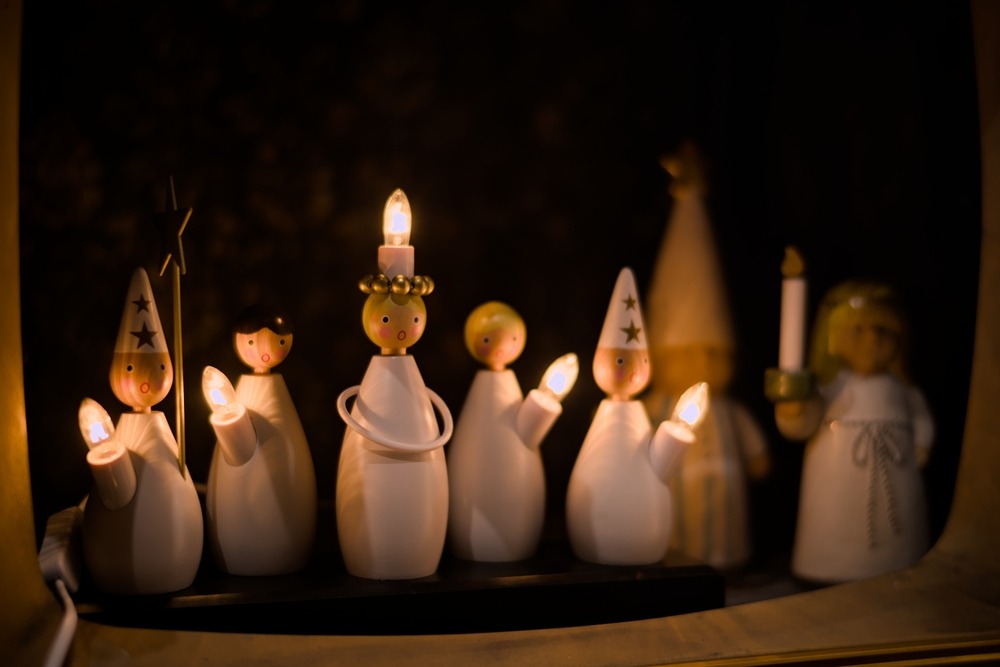
The Scandinavian tradition of Saint Lucia day, celebrated in Sweden, Norway, Denmark, and Finland on the 13th of December, serves as a hopeful reminder that generosity and faith can help us prevail in the darkest of times. This holiday, one of few Lutheran saint celebrations, honors the legacy and martyrdom of Saint Lucia of Syracuse. Lucia, as legend goes, is said to have worn a crown of candles on her head to light the way as she traversed the Roman catacombs so that she could use both hands to carry food to Christians hiding from persecution. The story of Saint Lucia resonated deeply with Scandinavians when the region eventually began its conversion to Christianity, as Lucia’s selfless ventures into the dim and gloomy catacombs mirrored their struggles to survive during long, dark winters each year. As a result, Saint Lucia became an enigmatic symbol of Scandinavian perseverance and was venerated with her very own regional holiday, becoming a staple of Nordic wintertime celebrations.
Though today’s Saint Lucia holiday is recognized as a Christian observation, the date of December 13th as it is annually celebrated, has roots in Norse pagan tradition as well. Before Scandinavia’s conversion to Christianity in the 10th century, December 13th was known to the Nordic people as the winter solstice––the longest and darkest day of the year. Ancient pagan winter solstice festivities often involved gathering around large bonfires, said to ward off evil spirits brought on by the night. As the story of Saint Lucia captured the hearts of many newly-converted Scandinavians, her feast celebration merged with the existing December 13th solstice, serving as a refreshed, yet timeless tribute to light and prosperity in the face of despair and darkness.
More than just a feast
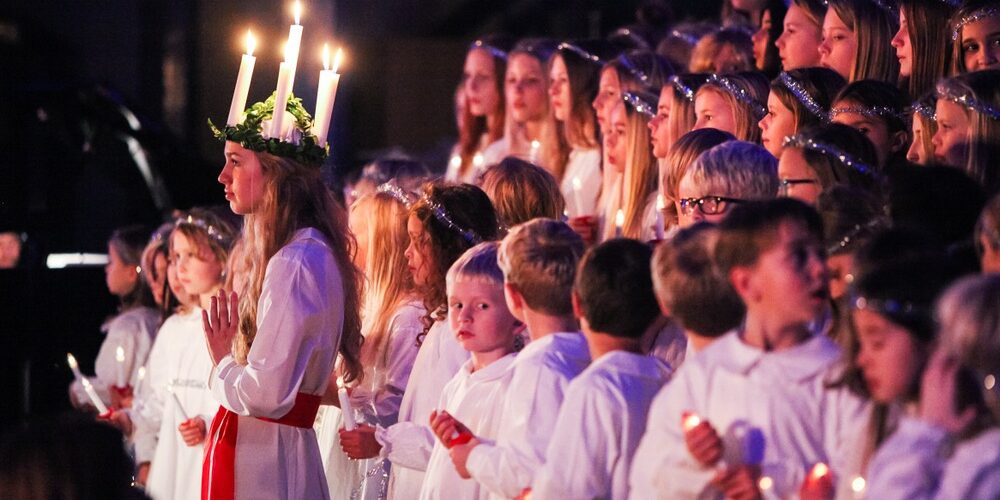
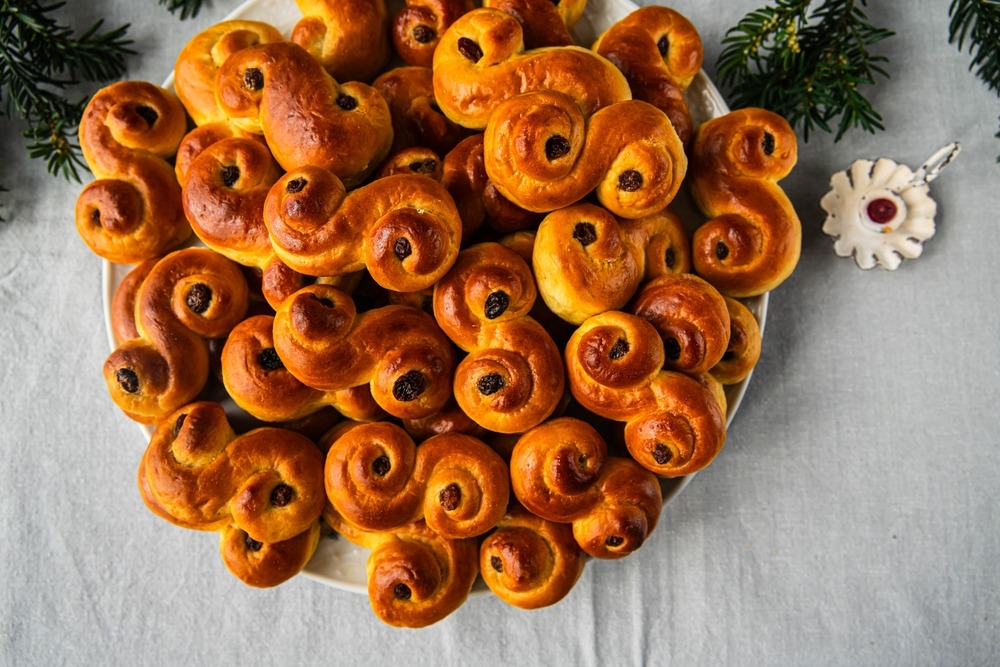
Historically, Saint Lucia day was commemorated with a feast, but evolved to feature the modern, more ritualistic customs known today in rural Sweden during the 18th century. Present-day Saint Lucia festivities begin at dawn, with the eldest daughter of each household serving her family coffee and classic Swedish pastries dressed in a traditional Lucia costume. In the evening, each town holds a procession where a girl, appointed to be “Lucia”, dons a glittering crown of candles and leads a trail of other younger children in holiday garb from the evening church service through the streets.Though the story of Saint Lucia is honored by Christians across the world, this specific Christmas celebration is unique to this region as it pertains so closely to life in Scandinavia during the intense winter months. While its traditions have shifted and evolved repeatedly through history, the Scandinavian Saint Lucia solstice celebration marks the beginning of the Christmas season in the far-north and serves as an enduring reminder of the importance of remaining hopeful and grateful despite the bleakest of circumstances.