The Wieliczka Salt Mine: A Subterranean Chronicle of Polish Heritage
The Wieliczka Salt Mine, located just southeast of Kraków, Poland, is one of the most enduring and culturally significant industrial sites in Europe. Operating continuously from the 13th century until 2007, it is both a monument to medieval ingenuity and a testament to the economic, spiritual, and artistic legacy of Poland. Today, the mine is recognized as a UNESCO World Heritage Site, attracting visitors from around the world who descend into its cathedral-like chambers carved entirely out of salt. Its long history, remarkable events, notable inhabitants, and the charming city of Wieliczka together form a compelling narrative that blends industry, culture, and community.
Historical Origins and Development of the Mine
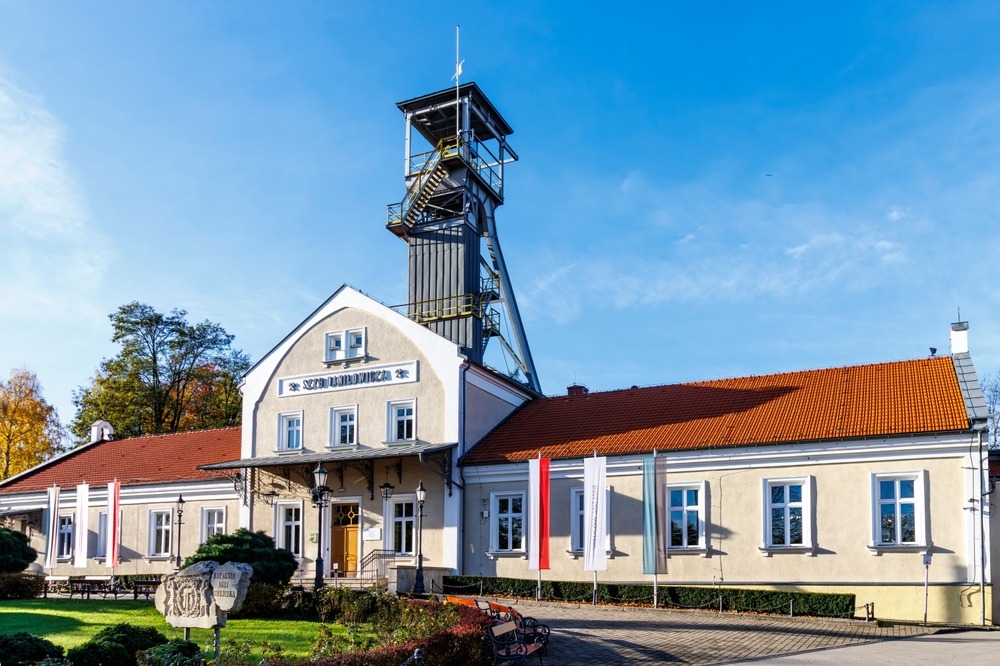
Salt extraction in Wieliczka began during the Middle Ages, when the crystalline deposits were first discovered beneath the fertile lands of Lesser Poland. The mine’s importance grew rapidly as salt became one of Europe’s most prized commodities—often referred to as “white gold” due to its critical role in food preservation and seasoning before refrigeration. Throughout the centuries, the mine expanded into an intricate labyrinth of tunnels, chambers, chapels, and lakes extending hundreds of meters below ground. By the Renaissance, it had become one of the largest and most profitable mining enterprises under the Polish Crown, providing essential revenue to the monarchs of the Piast and Jagiellonian dynasties. Its continued operation through wars, partitions, and industrial revolutions solidified its status as one of the oldest functioning salt mines in the world until its transition to heritage status in the 21st century.
Special Events and Milestones Through Time
Various events have marked the mine’s evolution, each revealing a different facet of its unique character. In 1635, the mine recorded one of its earliest “tourist” visits when King Sigismund III Vasa arranged an official descent for notable dignitaries. In the 18th and 19th centuries, scientific expeditions explored its geology and microclimate, leading to the development of underground sanatoria for respiratory therapies. During the 20th century, segments of the mine were adapted for cultural purposes, hosting underground concerts, exhibitions, and even state ceremonies. Modern conservation and safety measures culminated in its inscription as one of the first UNESCO World Heritage Sites in 1978, recognizing its cultural, technological, and artistic value. The mine’s closure to industrial extraction in 2007 marked the end of nearly 800 years of salt production, but also cemented its role as a living museum.
Historic Figures and Underground Residents
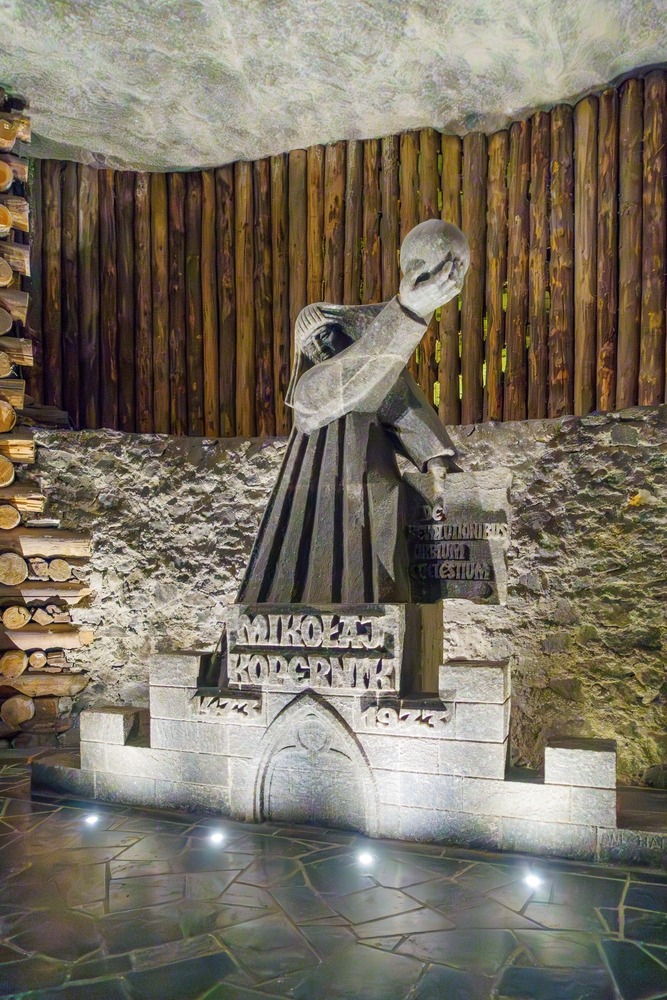
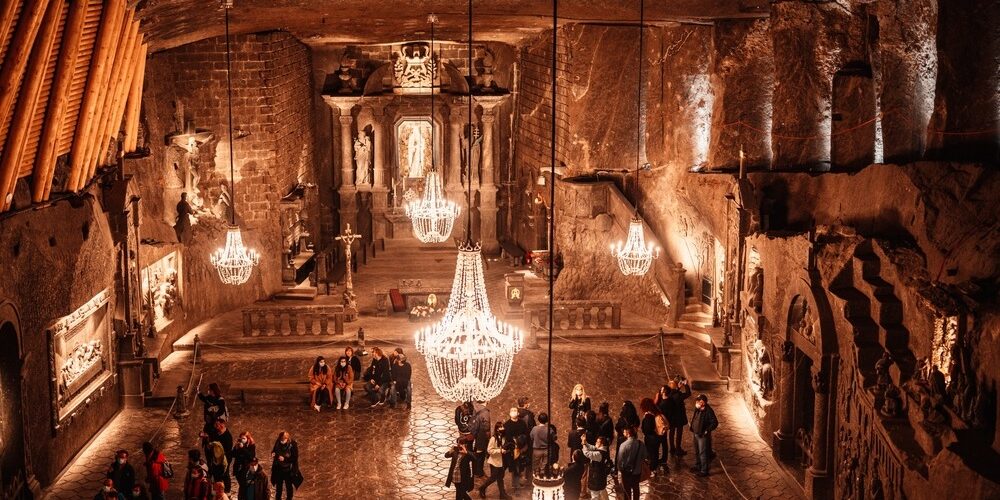
While no one lived permanently underground in the conventional sense, generations of miners developed a profound connection to the subterranean world. These miners became skilled artisans, carving chapels, statues, and reliefs from rock salt to honor their faith and community. One of the most iconic spaces is the Chapel of St. Kinga, named after Princess Kinga of Hungary, a revered figure in Polish legend who is said to have brought salt mining to the region. Over centuries, other notable figures ventured into Wieliczka’s depths, including Nicolaus Copernicus, Johann Wolfgang von Goethe, Fryderyk Chopin, and Pope John Paul II, each leaving behind accounts that elevated the mine’s cultural stature. The mine also nurtured generations of unsung engineers and artisans who perfected underground ventilation, drainage, and construction techniques centuries before modern mining science took shape.
The City of Wieliczka and Its Historical Landscape
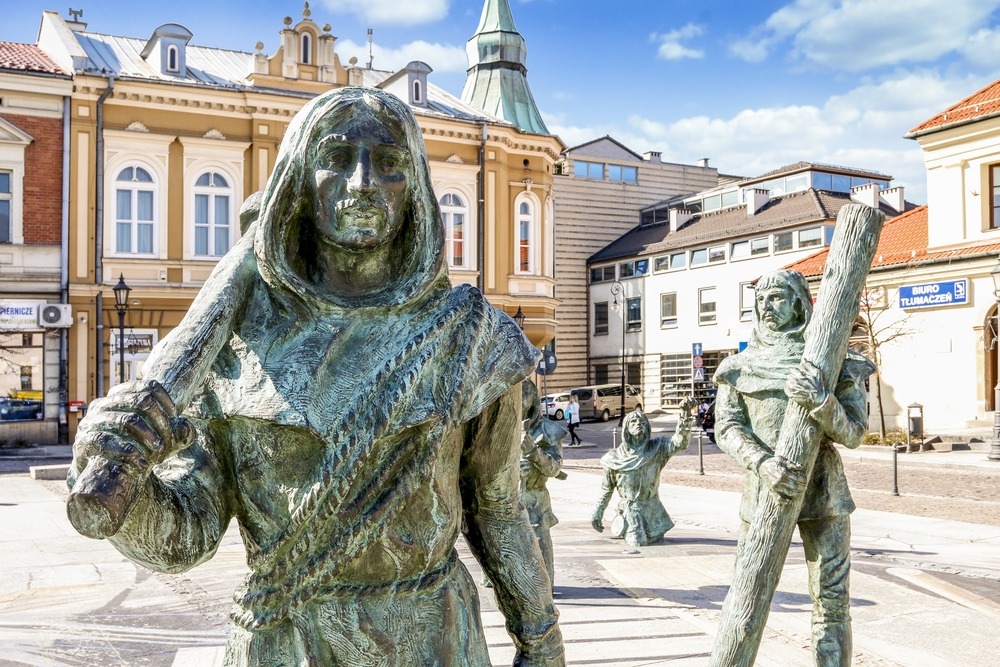
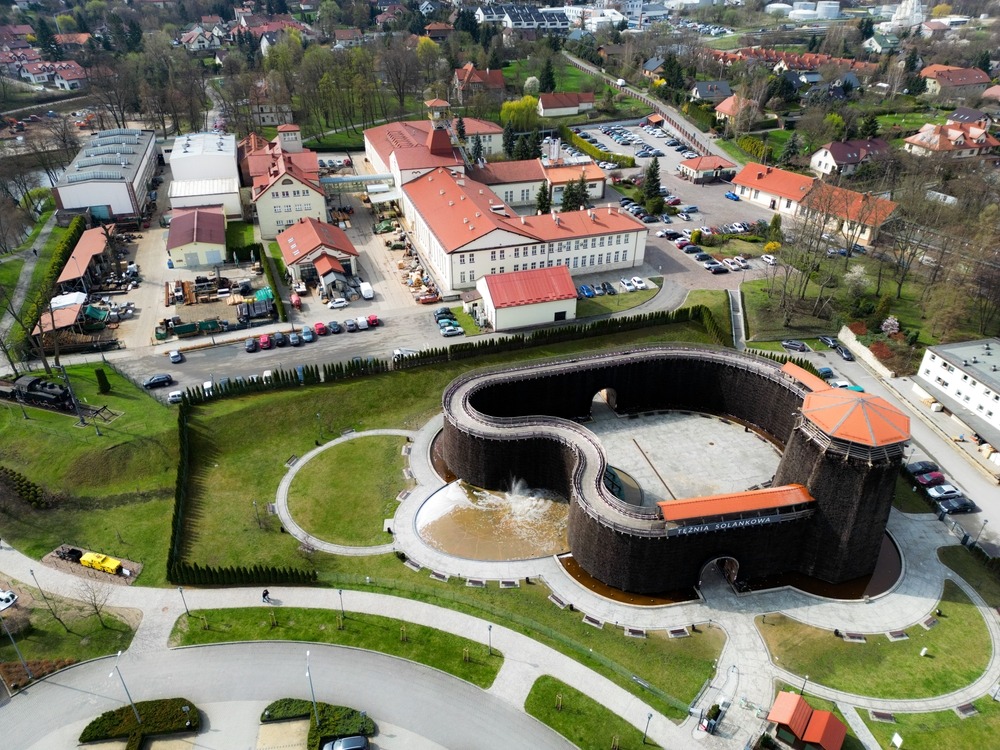
Above ground, the city of Wieliczka developed in parallel with the mine that sustained it. First officially mentioned in the 12th century, it grew into a prosperous settlement whose fortunes were tied directly to the salt trade. The urban landscape features elegant townhouses, merchant quarters, and historic buildings influenced by nearby Kraków’s architectural traditions. Landmarks such as the Wieliczka Saltworks Castle, once the administrative center of mining operations, reflect the civic and political power wielded by the enterprise. Today, Wieliczka blends modern living with heritage tourism, offering museums, parks, and cultural venues that highlight both mine-related history and local traditions. Its proximity to Kraków allows it to serve as a gateway for travelers exploring southern Poland’s cultural and natural treasures.
The Wieliczka Salt Mine is more than a relic of industrial history—it is an underground cathedral of human creativity, resilience, and spiritual expression. From its medieval origins to its modern role as a cultural icon, the mine has shaped Poland’s historical narrative while connecting it to the broader currents of European trade and art. When paired with the charming city that grew around it, Wieliczka offers a journey through time and space, where the depths of the earth tell stories that illuminate the heights of human achievement.