Galați, Romania: A Danube Port City’s History and the Top 25 Attractions to Visit
Set on the left bank of the Danube in eastern Romania, Galați has long been shaped by waterborne trade, shifting borders, and the practical realities of being a “gateway city” between inland routes and the great river corridor. Its story moves from a modest riverside settlement to an Ottoman-influenced port, then into a boom era as a free-port and commercial hub, and finally into the industrial and cultural city travelers encounter today.
A Brief but Detailed History of Galați
From riverside settlement to working port
Written references point to Galați as a small riverside settlement by the early 1400s, with later mentions tied to mooring and loading areas along the Danube—an early hint of the city’s destiny as a port. Its location near major river routes made it naturally attractive for trade and movement of goods long before modern rail and road networks existed.
Ottoman-era importance and the long port centuries
By the early modern period, the port’s strategic value drew imperial attention. Galați functioned as an important Danube port for centuries under Ottoman influence, a reality that shaped its commercial character, population mix, and defensive posture in an era when river cities were both marketplaces and strategic prizes.
The 19th-century turning point: geopolitics, commerce, and free-port growth
In the 1800s, regional border shifts elevated Galați’s role. With changing control over Danubian and Black Sea access, the city’s port importance intensified and it experienced rapid development—particularly during the period when it held free-port status. This era helped establish Galați as a commercial hinge between inland producers and international river traffic, with warehouses, merchant houses, and civic institutions expanding alongside the river trade.
Modern city-building: rail links, institutions, and a growing urban identity
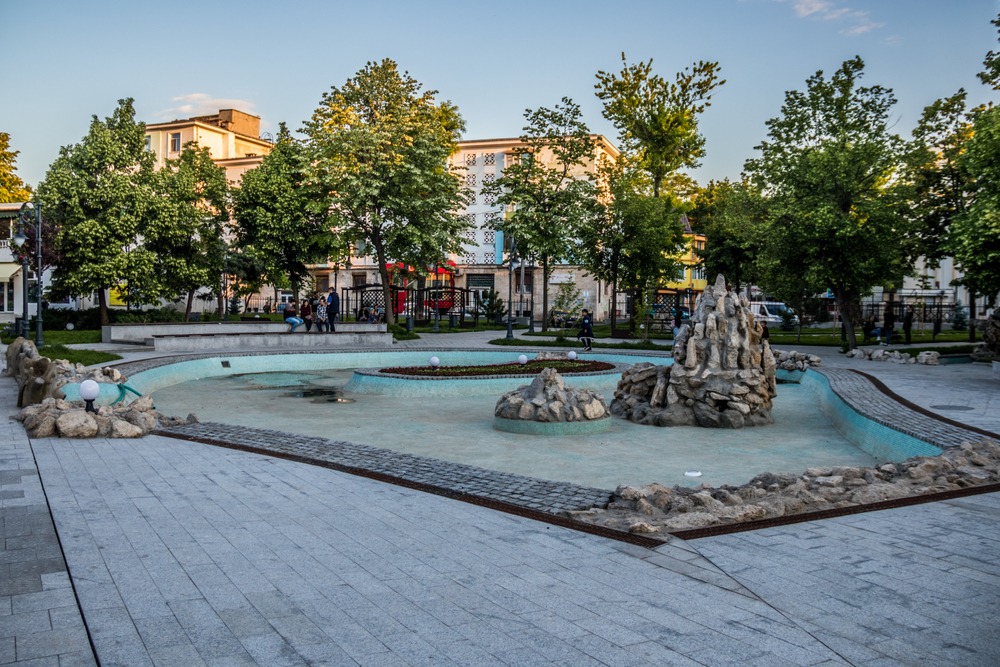
As the 19th century progressed into the modern era, Galați added infrastructure that transformed a port town into a full urban center. Rail connections strengthened export capacity and passenger movement, while schools, libraries, parks, and public buildings signaled the city’s expanding civic identity and ambitions.
20th century to today: industry, culture, and a Danube-facing public life
Like many Danube cities, Galați’s modern identity blends heavy economic functions with cultural institutions and a riverfront lifestyle. Visitors today experience that mix most clearly along the promenade, in the city’s museums and theaters, and in landmark buildings that reflect both local tradition and the international importance of the Danube corridor.
Top 25 Attractions in Galați (City and Immediate Area)
1) Faleza Dunării (The Danube Promenade)
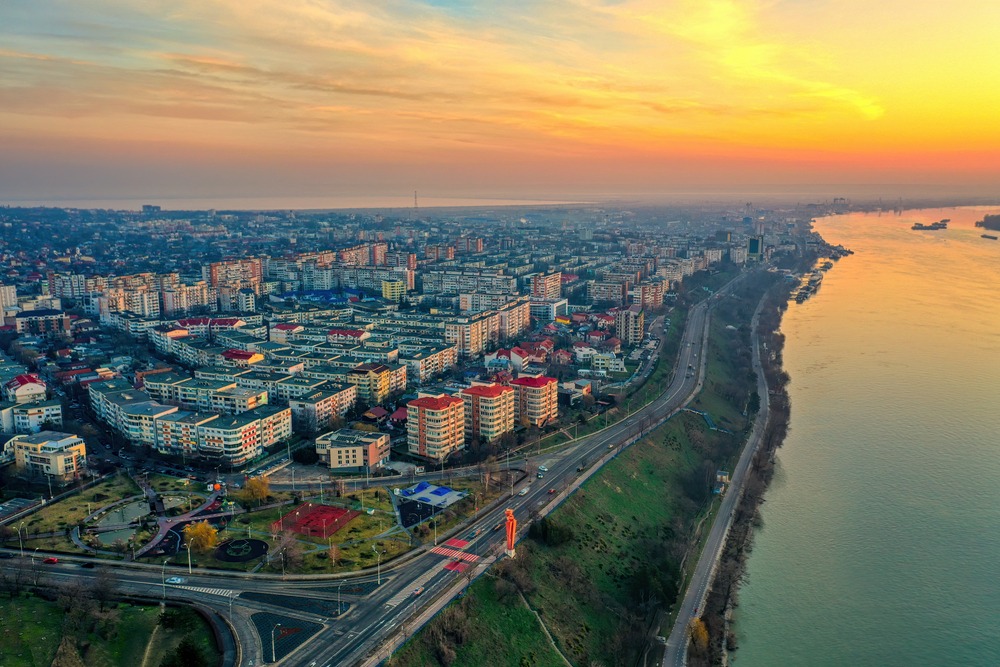
Galați’s signature experience is its long, tiered Danube promenade—an everyday gathering place for walking, cycling, and watching river traffic, punctuated by sculptures and broad panoramas that make the waterfront feel like the city’s outdoor “main street.”
2) Upper Promenade Viewpoints
Above the main riverwalk, higher vantage points reveal the Danube’s curve, the layers of the promenade, and the working rhythms of a port city, especially striking at sunrise and sunset.
3) Galați TV Tower (Turnul Televiziunii)
One of the city’s most distinctive modern landmarks, the TV Tower is closely associated with panoramic views that help visitors grasp the scale of the Danube and the city’s layout from above.
4) Biserica Precista (The Fortified Church)
Often described as the oldest major landmark in Galați, this fortified church near the riverfront reflects a time when towns along strategic routes needed defensive architecture as much as sacred space.
5) The Archbishop Cathedral of Galați
A principal spiritual and architectural landmark, the cathedral provides insight into the religious life of the region and the civic prominence of Galați within the Lower Danube area.
6) Natural Sciences Museum Complex “Răsvan Angheluță”
This popular complex bundles multiple experiences in one area—museum exhibits and nature-focused attractions—making it ideal for a half-day visit that balances city and outdoors.
7) The Botanical Garden
A calmer counterpoint to the urban core, the botanical garden offers seasonal color, shaded paths, and an easy pace that suits families and travelers looking to recharge.
8) The Aquarium
Often visited as part of the Natural Sciences complex, the aquarium adds a Danube-and-beyond perspective, highlighting aquatic life that connects naturally to the city’s river identity.
9) The Planetarium and Astronomical Observatory
A standout for a regional city, the planetarium and observatory offer an engaging “big-sky” experience that complements the riverfront and museums with something truly different.
10) The Sensory Garden
Designed for tactile and immersive engagement, the sensory garden is a memorable stop for travelers who enjoy interactive spaces and calmer, restorative settings.
11) The Visual Art Museum (Muzeul de Artă Vizuală)
Focused on modern and contemporary art, this museum is a strong cultural anchor that helps round out a riverfront-heavy itinerary with gallery-style exploration.
12) Art Collections and Small Exhibitions
Galați’s smaller art-focused venues and rotating displays can add depth to a cultural day, especially for travelers who enjoy curated objects, paintings, and themed exhibitions.
13) The “Paul Păltănea” History Museum
The city’s principal history museum is a key stop for connecting Galați’s port development to broader regional and national turning points over the centuries.
14) “Cuza Vodă” House Museum
Dedicated to Alexandru Ioan Cuza, this house museum adds a personal and political dimension to a visit, tying Galați into Romania’s 19th-century transformation.
15) V.A. Urechia Library and the former Danube Commission Palace
One of the city’s most historically resonant buildings, this site links Galați to international Danube administration while also functioning as a major civic and cultural institution.
16) Strada Domnească (Domnească Street)
Often treated as the historic backbone of the city center, Domnească Street is ideal for walking between civic buildings, museums, churches, and parks.
17) Mihai Eminescu Municipal Park
A classic central green space, the park serves as a relaxing pause point between museums and riverfront walks, especially in warmer months.
18) Central Public Gardens
These gardens offer a “local daily life” atmosphere and are a pleasant way to experience the city’s quieter rhythms beyond headline sights.
19) C.F.R. (Railway) Park
For those interested in transport history and local texture, this park connects naturally to Galați’s modern growth and infrastructure story.
20) Brateș Lake View Areas
Nearby lake viewpoints broaden the story beyond the Danube, showing how water systems shape local landscape, recreation, and regional ecology.
21) Fani Tardini Drama Theatre
A key institution in the city’s performing arts scene, the drama theatre is worth checking for evening programming if you want a contemporary cultural experience.
22) Nae Leonard National Theatre of Opera and Operetta
This venue highlights Galați’s operatic and operetta traditions, offering a refined cultural option that contrasts nicely with daytime sightseeing.
23) Gulliver Theatre (Children’s and Puppet Theatre)
A distinctive and often family-friendly stop, the puppet theatre adds variety to the city’s cultural lineup and reflects a lively local arts community.
24) Gârboavele Forest (near the city)
Just outside the urban core, Gârboavele Forest functions as a major recreational escape—ideal when you want shade, nature, and a slower pace.
25) The Gârboavele Cluster (Zoo and Museum-style attractions)
The forest area is especially popular because it combines multiple attractions in one setting, making it a convenient, varied day-out complement to downtown and the riverfront.