Kyoto Sento Imperial Palace: History, Garden Design, and the Top Attractions Within and Around It
Located within Kyoto Imperial Park (Kyoto Gyoen) in the heart of Kyoto, the Kyoto Sento Imperial Palace (Sento Gosho) represents one of Japan’s most refined expressions of imperial garden culture. While the neighboring Kyoto Imperial Palace is often associated with state ceremony and court formality, the Sento Palace complex is best understood as a place shaped by retirement, artistic life, and the quiet aesthetics of strolling through carefully composed scenery. Access today is regulated, but the surviving garden remains a remarkable window into how the imperial court pursued beauty, seasonal change, and contemplative space.
The History of Kyoto Sento Imperial Palace
Origins as a Retirement Palace in the Edo Period
The Kyoto Sento Imperial Palace was created as a residence for a retired emperor, reflecting a long-standing tradition in which an abdicated sovereign would establish a separate household and courtly environment. The best-known origin of the Sento Palace is tied to Emperor Go-Mizunoo’s retirement in the early Edo period, when a purpose-built complex was established to support a life oriented toward culture rather than governance. In that world, the palace was not merely a home; it was a stage for poetry, tea gatherings, and the subtle rituals of elite taste.
Fire, Loss of Buildings, and the Survival of the Garden
Kyoto’s historic architecture has always been vulnerable to fire, and the Sento complex experienced the same fate as many wooden structures across the city. Over time, the original palace buildings were lost, and what endures most powerfully today is the landscape itself. In many ways, that survival is fitting: the Sento garden was designed to be experienced as a sequence of views and emotions—water, stone, bridges, pines, and seasonal flowers—so even without the original residential halls, the site continues to communicate the aesthetic intent of its creators.
A Masterwork of Strolling Garden Design
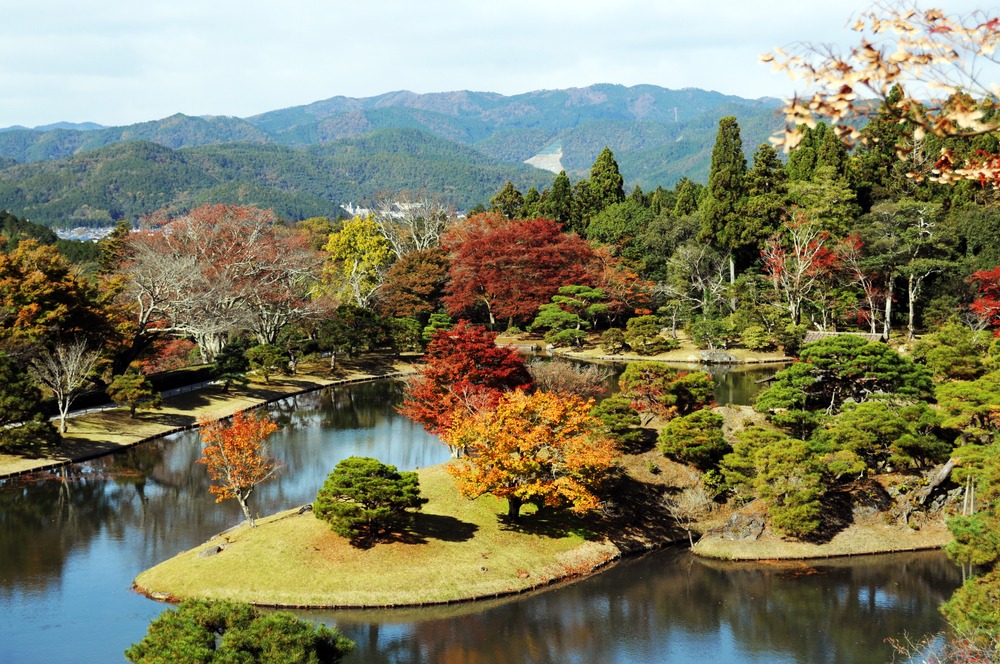
The Sento garden is celebrated as a classic example of kaiyu-shiki teien, or strolling garden design. Rather than presenting a single “front view,” the grounds unfold through motion: paths curve, sightlines open and close, and the scenery changes with every step. A large pond anchors the composition, while bridges, stepping stones, and carefully placed rocks shape how the visitor encounters the landscape. The garden’s beauty is inseparable from time—cherry blossoms and fresh greens in spring, lush plantings in summer, vivid maple color in autumn, and the quiet structure of pines and stone in winter.
Top Attractions Within and Around Kyoto Sento Imperial Palace
1. The Central Pond Landscape
The heart of the Sento grounds is its pond-centered design, where reflections of trees and bridges constantly redraw the scenery. This water feature is not only decorative; it is the organizing principle that sets the visitor’s pace and creates a natural rhythm of approach, pause, and turning.
2. Strolling Paths and Curated Viewpoints
Walking is the “architecture” of a kaiyu-style garden, and the Sento paths are designed to reveal scenes in sequence. Some views feel intimate and enclosed by foliage, while others open to broad water and sky, creating a deliberate emotional progression.
3. Arched Bridges Over the Water
The garden’s bridges do more than connect shores—they frame the pond, add elegant geometry to the landscape, and create classic Kyoto compositions where the visitor sees water, stone, and greenery in balanced proportion.
4. Zigzag Bridge Motifs and Poetic Design References
In Japanese garden tradition, zigzagging bridge forms evoke classical literature and the poetic idea of moving through nature in a way that resists straight lines and quick arrival. These elements subtly reinforce the garden’s invitation to slow down.
5. Stepping Stones and Mindful Movement
Carefully positioned stepping stones encourage attentive walking and gentle pauses. They serve as a physical reminder that the garden is meant to be experienced deliberately, not rushed, with each placement shaping how you look and where you stop.
6. Tea House Settings and Cultural Atmosphere
Although the original palace buildings are no longer the centerpiece, the garden still evokes the world of tea culture and courtly gatherings. The placement of pavilions and resting points within the landscape reflects how elite visitors once used the garden as both social space and aesthetic practice.
7. Rock Arrangements and Symbolic Composition
Stone groupings in Japanese gardens often function as visual anchors, balancing water and plantings while implying mountains, islands, or timeless permanence. At Sento, rocks are positioned to feel natural yet intentional, guiding the eye through the scene.
8. Seasonal Highlights
The Sento garden is one of those places where the season is part of the “exhibit.” Spring blossoms, summer greens, autumn maples, and winter silhouettes each transform the same paths into a different experience, making repeat visits especially rewarding.
9. Omiya Imperial Palace Area
Adjacent to the Sento grounds, the Omiya area adds context to the imperial landscape and helps visitors imagine how multiple related residences and functions once fit together within the larger court environment of Kyoto.
10. Kyoto Imperial Palace
Nearby within Kyoto Imperial Park, the Kyoto Imperial Palace provides the formal counterpart to Sento’s retirement atmosphere. Visiting both areas side-by-side makes the contrast clear: ceremony and governance on one hand, artistic retreat and garden culture on the other.
11. Kyoto Imperial Park as a Whole
Kyoto Gyoen is more than a setting—it is an experience in itself, with broad gravel paths, open lawns, and a sense of calm unusual for a city center. It’s ideal for unhurried walking before or after a scheduled visit.
12. Historic Gates and Approaches to the Imperial Grounds
The traditional gates around the imperial area shape how visitors enter the space, transitioning from modern Kyoto into a quieter, more formal landscape. Even when approached casually, the gates create a strong sense of arrival.
13. The Kamo River Walkways
A short distance away, the Kamo River paths provide one of Kyoto’s most beloved everyday landscapes. The river’s open skies and long walkable stretches complement the controlled beauty of the Sento garden with something more expansive and local.
14. Demachiyanagi and the River Confluence Area
Where branches of the river meet, the atmosphere becomes distinctly Kyoto: calm water, slow neighborhood movement, and small shops and streets that make a pleasant transition between imperial parkland and daily city life.
15. Shimogamo Shrine and the Forested Approach
One of Kyoto’s most ancient shrine precincts, Shimogamo offers a contrasting sacred landscape with a deep wooded approach. The shift from curated garden views to shrine forest ambience enriches any itinerary built around the imperial grounds.
16. Shokoku-ji Temple
As a major Zen temple near the imperial area, Shokoku-ji adds spiritual and artistic depth to a visit. Its scale, atmosphere, and historical importance make it a natural pairing with the refined calm of Sento.
17. Seimei Shrine
Dedicated to the famed onmyoji Abe no Seimei, this shrine introduces a different Kyoto story—one tied to folklore, cosmology, and Heian-era imagination—providing a memorable cultural counterpoint to imperial history.
18. Nishijin and Kyoto’s Textile Heritage Nearby
The surrounding districts connect the imperial world to Kyoto’s craft traditions. Nishijin’s historic weaving legacy helps explain how the city’s culture was supported not only by court life, but by artisans whose work defined Kyoto aesthetics for centuries.
19. Teramachi and the City’s Traditional Shopping Streets
Not far away, Teramachi offers a livelier, street-level Kyoto experience. It’s a useful way to round out the day after the quiet restraint of the gardens, blending history, everyday commerce, and modern city energy.
20. Kyoto State Guest House Area
Within the broader imperial park context, Kyoto’s state guest facilities highlight how the area continues to function as a setting for national hospitality and diplomacy, linking historic space to modern official life.
21. Nijo Castle as a Political Counterpoint
Within easy reach, Nijo Castle provides the shogunal perspective that complements the imperial story. Pairing it with Sento helps visitors feel the historic tension and balance between military authority and court tradition in early modern Japan.
22. Quiet Neighborhood Cafés and Rest Stops Around Kyoto Gyoen
The area surrounding the imperial park is dotted with low-key places to pause, which suits the tone of a Sento-focused itinerary. A calm break nearby often feels like an extension of the garden’s pace and mood.
23. Cherry Blossom Viewing in the Imperial Park Season
During spring, the wider park becomes one of Kyoto’s gentler blossom settings—less concentrated than some famous riverside spots, but beautifully spacious and ideal for long, unhurried walks beneath flowering trees.
24. Autumn Maples and the Seasonal Color Circuit Nearby
In autumn, the Sento garden’s refined planting palette can be paired with nearby temples and streets known for maple color, creating a day that moves between intimate garden scenes and broader citywide seasonal spectacle.
25. The Experience of Scheduled Entry and Guided Appreciation
Unlike many open-access gardens, visiting Sento often involves planning and structured access. That format can deepen the experience, because it encourages visitors to treat the garden less like a casual stop and more like a carefully preserved cultural landscape worth focused attention.
Conclusion
Kyoto Sento Imperial Palace is not simply an “imperial site” on a checklist—it is a distilled expression of Kyoto’s refined relationship with nature, time, and designed scenery. Its history as a retirement environment for the imperial court explains the garden’s mood: elegant, measured, and built for contemplation rather than spectacle. When complemented by the surrounding treasures of Kyoto Imperial Park and nearby shrines, temples, river walks, and historic districts, a Sento-centered visit becomes one of Kyoto’s most rewarding ways to experience how politics, culture, and landscape design intertwine in the city’s long story.