What Is Wasabi? History, Quality Grades, and Growing Requirements
What Is Wasabi?
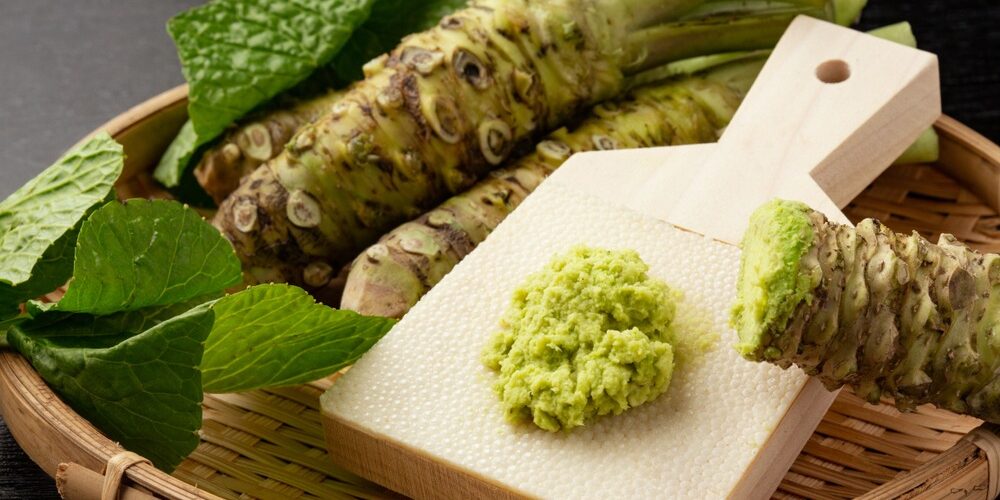
Wasabi is a plant from the species Wasabia japonica (sometimes classified as Eutrema japonicum) and belongs to the Brassicaceae family, the same group as cabbage, horseradish, mustard, and broccoli. What most people refer to as “wasabi” in culinary settings is the green paste made by grating the plant’s rhizome, a thick underground stem. Authentic wasabi has a distinctive type of heat: sharp, aromatic, and primarily felt through the nasal passages rather than on the tongue. The intensity rises quickly and fades just as fast, leaving a clean, vegetal finish rather than a lingering burn like chili peppers.
Historic Usage of Wasabi
The cultivation of wasabi in Japan dates back at least to the Heian period (794–1185), though there is evidence of earlier use among regional populations. Originally, wasabi was not a condiment for sushi at all. Instead, it was valued for medicinal and sanitary purposes in traditional Japanese herbal practices. Texts from the Kamakura period (1185–1333) mention wasabi as a remedy used to support digestion, reduce inflammation, promote circulation, and inhibit bacterial growth.
Its connection to raw fish developed much later. During the Edo period (1603–1868), when fresh fish and nigiri-style sushi became more common in urban centers like Edo (modern-day Tokyo), wasabi proved to be the perfect companion. It enhanced the flavor of raw seafood while providing natural antibacterial benefits. This dual purpose solidified wasabi’s place in Japanese culinary culture and made it a symbol of freshness, purity, and quality.
Why Most Wasabi Outside Japan Isn’t Real
Authentic wasabi is considered one of the most difficult plants to cultivate commercially. Because of its fragility and limited growing regions, true wasabi commands extremely high prices, sometimes exceeding the cost of premium seafood on a per-weight basis. As a result, more than 90% of “wasabi” served in restaurants in Europe and North America is actually a mixture of horseradish, mustard powder, starch, and green food coloring. Even in Japan, many inexpensive tube pastes only contain a small percentage of actual wasabi.
Grades and Forms of Wasabi Quality
There are several forms and quality standards on the market, each with different levels of authenticity and flavor:
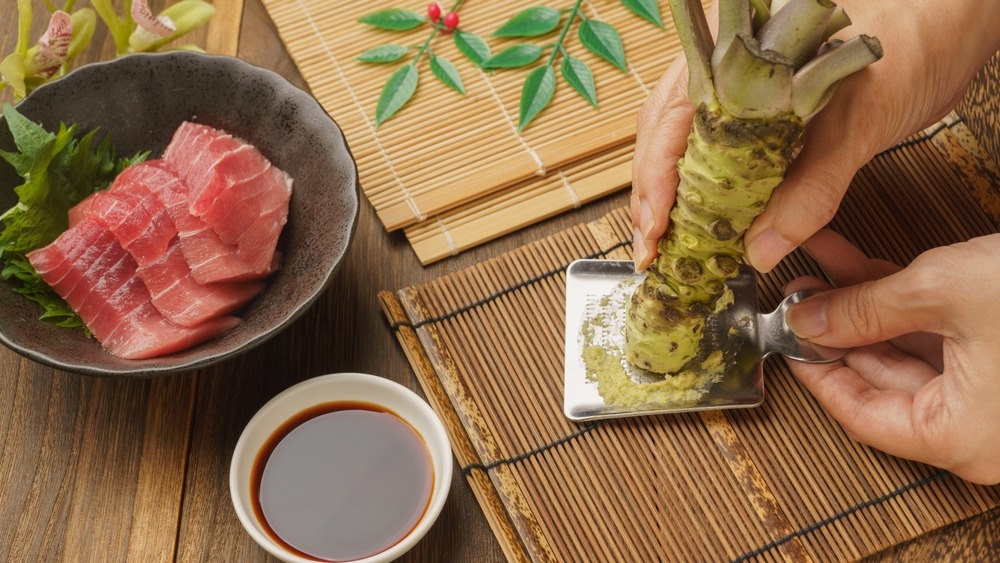
- Hon-Wasabi (本わさび) – 100% real wasabi made from grated rhizome. This is the highest grade, typically prepared fresh at high-end sushi bars using sharkskin graters called oroshi.
- Whole Rhizome Grade – Whole rhizomes sold for fresh grating. This is common in premium restaurants and top-tier food service, where chefs grate wasabi to order.
- Freshly Grated Wasabi / Nama Oroshi – Sold chilled in small containers but with a short shelf life. It is highly valued for its bright aroma and authentic flavor.
- Powdered Wasabi – Dehydrated form that can be reconstituted with water. It is convenient but loses many of the most delicate aromatic compounds and is often blended with horseradish.
- Paste Wasabi (Tube) – The most common supermarket form. Typically a blend of horseradish, mustard, and colorants, sometimes with a small amount of real wasabi extract or powder.
Authenticity can usually be checked by reading ingredient labels. If “horseradish” or “mustard” appears first and Wasabia japonica is only a minor component or missing entirely, it is not true hon-wasabi.
Environmental Requirements for Growing High-Quality Wasabi
Wasabi has earned a reputation as one of the most demanding crops in the culinary world. Its highest-quality form, known as “sawa wasabi,” is grown in running water rather than in dry soil. Several strict environmental conditions must be met to produce top-grade rhizomes.
Cold, Clean, Flowing Water
The most prized wasabi grows in cool mountain streams where groundwater filtered through volcanic soils remains between 8–18°C (46–64°F) year-round. The constant flow provides oxygen, prevents stagnation, and helps control pathogens while delivering a steady supply of minerals. Beds are often constructed as terraced channels where water continuously passes over the plants.
Stable, Cool Temperatures
Wasabi does not tolerate heat above about 22°C (72°F). Optimal growing temperatures stay between 10–18°C (50–64°F), which naturally restricts production to mountainous or high-latitude regions. Even short heat waves can stress or kill the plants, making climate stability a critical factor.
Shade and High Humidity
In the wild, wasabi grows under forest canopies along streams. Direct sunlight scorches its leaves, so commercial growers use shade cloths or plant near natural tree cover to recreate these conditions. High humidity, often above 80%, helps prevent the plants from drying out and reduces environmental stress.
Mineral-Rich Soil and Substrate
The best wasabi comes from beds with sandy, well-drained, and mineral-rich soil, often of volcanic origin. The substrate must allow roots to anchor securely even in flowing water while letting cold water pass through. Adequate levels of organic matter and balanced nutrients are important for rhizome development and flavor complexity.
Long Cultivation Cycles
Wasabi typically takes 12–24 months to reach full maturity, which makes it a slow and risky crop. The rhizome must be harvested carefully to avoid damage, since bruising can affect quality and shelf life. Longer growing periods tend to produce more complex aromas but also increase exposure to disease, pests, and weather extremes.
Why Growing Wasabi Is So Difficult
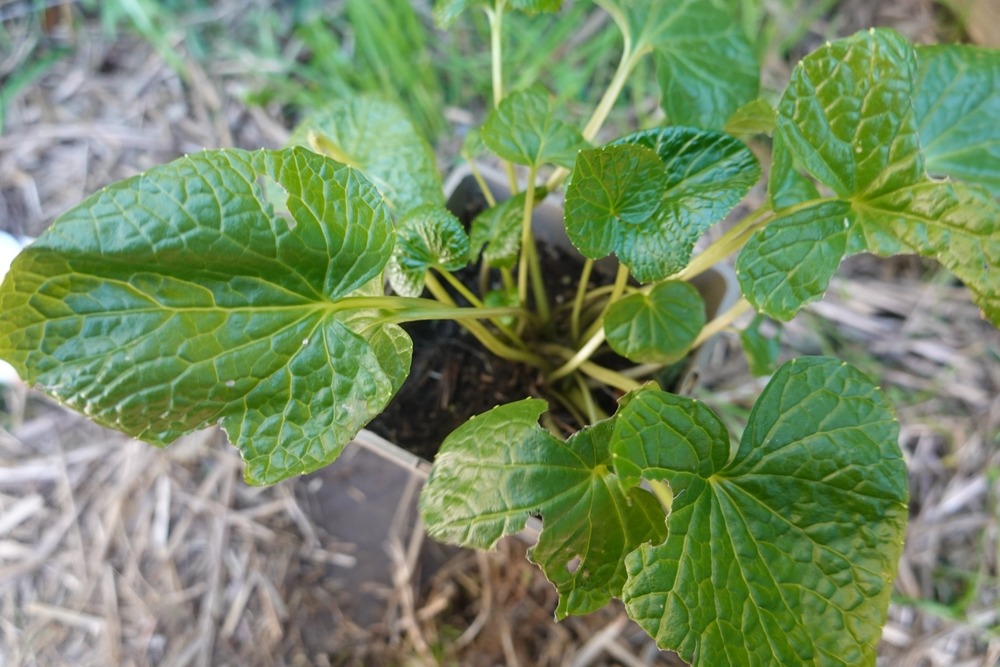
Wasabi is extremely sensitive to its environment. Any imbalance in temperature, water quality, water flow, humidity, or nutrients can damage or destroy the crop. Fungal infections, pests, and sudden heat spikes are constant threats. Even experienced growers report significant losses, which explains why high-quality wasabi is rare and expensive.
Summary: A Legendary Culinary Ingredient
Wasabi is far more than a spicy green garnish on the edge of a sushi plate. It is a cultural icon in Japanese cuisine, a plant with deep roots in traditional medicine, and a luxury ingredient with exceptionally strict growing requirements. From its origins as a medicinal herb in medieval Japan to its modern role in gourmet sushi and kaiseki dining, wasabi’s story is one of craftsmanship, terroir, and culinary precision.
While most diners around the world have only tasted its horseradish-based imitation, true wasabi remains one of the culinary world’s rarest and most celebrated natural flavors. For those who seek authenticity, understanding its history, quality grades, and delicate growing conditions is the first step toward appreciating just how special real wasabi truly is.